


Blog
Building Confidence Off the Stage: How Dance Skills Translate to Real Life
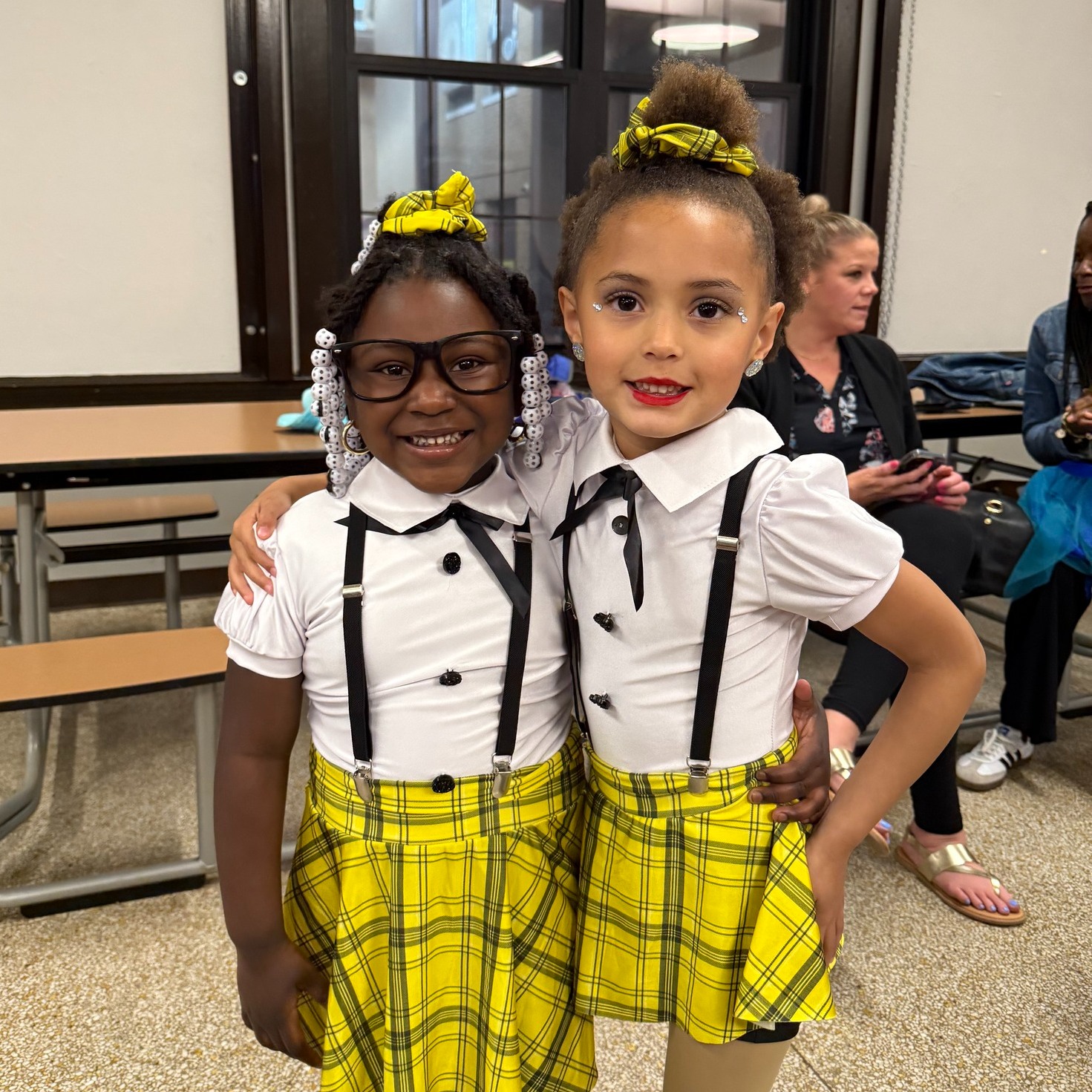
Parents often enroll their children in dance because they love movement, music, or creativity — but what many families across Rochester, Webster, and Monroe County eventually discover is that dance builds far more than physical skill. At Dance Connection Rochester, we’ve seen dance shape confidence outside the studio: in classrooms, friendships, public speaking, emotional resilience, and everyday life. Dance might begin on stage — but its impact reaches far beyond it.
When kids step into the studio at Dance Connection, they’re not just learning choreography — they’re learning to believe in themselves. They’re learning how to overcome fear, build discipline, take feedback, handle frustration, and work alongside others. These lessons shape character, not just routines.
So what does dance actually teach outside of performance? Here’s a closer look at how dance builds real-life confidence in children and teens across Rochester and Webster.
The Classroom Connection: Better Focus & Responsibility
In dance, students must listen carefully, follow instructions, remember sequences, and manage their time. These same skills are essential in school — and that’s why teachers often notice improvement in dancers’ focus and attitude. Dance helps build academic habits such as:
- Improved focus and listening skills
- Stronger memory retention
- Better time management
- Increased responsibility and self-discipline
Many Rochester parents have shared that once their child started dance, homework routines improved — not because they “tried harder,” but because their mind began to understand structure, sequencing, and follow-through.
Confidence in Social Settings
Dance teaches children how to work with others — not through lectures, but through movement. They learn teamwork by timing and spacing. They learn communication by reading body language. They develop leadership when they help others in the class.
That’s why our Rochester and Webster dance classes are structured intentionally to help dancers learn interaction skills — especially in group choreography or partner work. Kids slowly shift from being self-conscious to being confident in their presence.
Overcoming Fear and Stage Nerves
Whether it’s answering a question in class or speaking in front of peers, social anxiety affects many kids. Dance helps overcome this through healthy exposure: dancers learn how to manage nerves and step forward even when they feel unsure.
Recital season plays a big role in this development. If you’ve never seen a recital at Dance Connection Rochester, check our testimonials page to see how parents describe their child’s transformation — from shy to courageous.
Confidence doesn’t start when a child feels ready. Confidence starts when they try anyway. Dance teaches that lesson gently and effectively.
The Power of Emotional Expression
For many dancers, confidence begins when they find a healthy outlet for emotion. Instead of bottling up stress or anxiety, they learn to express it physically and creatively through movement. This often leads to better emotional regulation, improved mood, and stronger mental well-being.
Dance helps children:
- Release stress in a healthy way
- Feel understood without having to speak
- Develop emotional awareness
- Connect movement with mental clarity
- Learn to regulate mood and energy levels
This is especially impactful for tweens and teens navigating emotional changes. Dance gives them a space to express their feelings safely, leading to better mental health outside the studio.
Leadership, Earned Confidence & Accountability
As dancers progress, many of them become leaders — not just performers. Senior students often help younger ones, build routines, or set an example for new dancers. Leadership in dance isn’t assigned — it’s earned through consistency, kindness, and effort.
That kind of leadership translates directly to school projects, sports teams, social groups, and future workplaces. The more dancers take responsibility in the studio, the more they feel capable in the world beyond it.
Community Makes Confidence Stronger
One of the most powerful parts of dance at Dance Connection Rochester is the community environment. Dancers form friendships that extend beyond the studio. Parents support each other. Teens often develop bonds that help with self-esteem, belonging, and peer support.
This community is intentional — and it’s one of the reasons families so often tell us Dance Connection “just feels different.” You can see some of their stories on our testimonials page.
How Parents See the Change
Parents across Rochester and Webster regularly tell us about the changes they see at home — stronger posture, better eye contact, more independent habits, or simply a brighter attitude after class. The benefits of dance rarely stay in the studio. They show up at the dinner table, during homework, in sports, and on school stages.
They also mention something else: dance gives their child something to be proud of. That pride builds identity — and identity builds confidence.
The Studio Environment Matters
Confidence can only grow in the right environment. That’s why our state-of-the-art dance studio in Rochester is built to promote comfort, safety, organization, and positivity. From the flooring to the viewing areas to the classroom structure, every detail is designed to support dancers and families.
When dancers feel safe, they are more willing to take risks — and that’s where growth begins.
Dance Builds Confidence for Life — Not Just for the Stage
Whether your child performs in front of an audience or simply practices in class, the skills they develop through dance last far beyond childhood. Dance teaches discipline, determination, teamwork, focus, resilience, and pride — qualities that help dancers become better students, friends, leaders, and adults.
At Dance Connection Rochester, we see confidence grow not just on stage — but everywhere else, too.
Contact Dance Connection Rochester today to explore our children’s, teen, and adult dance programs — and discover how dance can shape a stronger, more confident future for your child both inside and outside the studio.
‹ Back
Recent Posts
-
-
Mid-Season Check-In: Signs Your Child Is Thriving in Dance Class
October 1, 2026
-
New to Dance This Year? A First-Season Survival Guide for Rochester Families
September 23, 2026
-
-

How Dance Helps Kids Build Routine and Focus During the School Year
September 11, 2026