

Blog
The Role of Music in Dance: Why Kids Need Rhythm in Their Lives
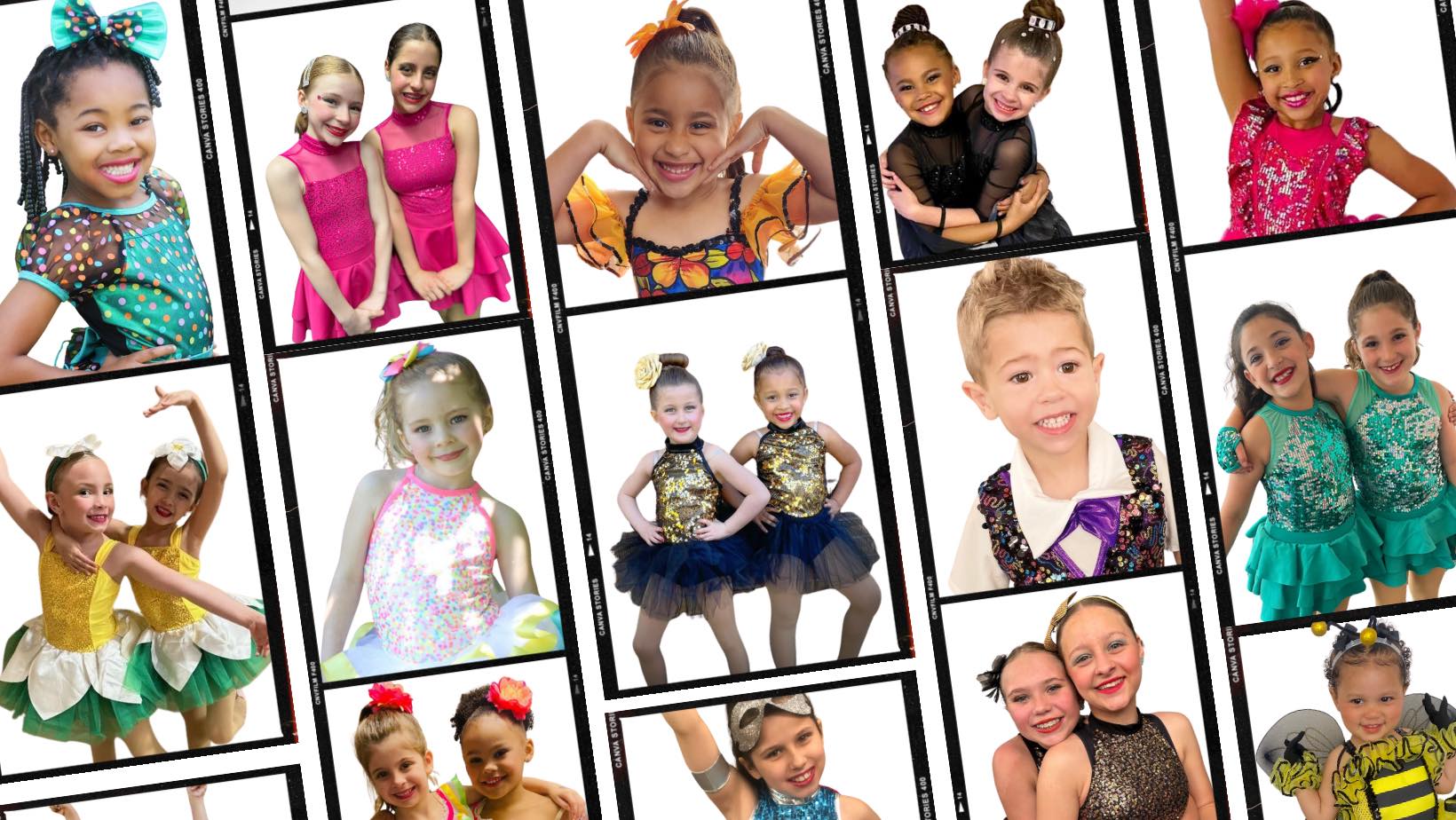
Music is more than background noise — it’s a language, an emotional outlet, and one of the most powerful tools for child development. At Dance Connection Rochester, we see every day how music transforms dance classes across Rochester, Webster, and Monroe County. It shapes movement, boosts confidence, builds memory, regulates emotions, and helps children connect with themselves and others. Rhythm isn’t just something dancers follow — it’s something they learn to live with.
Whether a child is learning ballet, jazz, tap, hip hop, or lyrical dance, the role of music is central. It provides structure, energy, and emotion — and for many Rochester-area dancers, it becomes the foundation of how they express themselves. The more time a child spends around rhythm, the more their brain, body, and behavior begin to shift in positive ways.
Why Rhythm Matters in Child Development
From early childhood through the teenage years, rhythm helps strengthen brain connections and build critical life skills. Research shows that children who regularly engage with music and movement often experience improvements in:
- Memory and learning patterns
- Language development and speech clarity
- Focus and attention span
- Emotional regulation and self-awareness
- Coordination and motor skills
- Social connection and teamwork
When a child connects movement with music, they learn how to process information across multiple parts of the brain at once. This multisensory engagement makes dance a powerful activity not just for creativity — but for mental clarity and healthy development.
Music as Emotional Language
Kids don’t always have the words to express how they feel — but music helps them find a voice. In our Rochester dance classes, we often see children change their energy, posture, and emotion the moment a song begins. That’s because music activates the emotional centers of the brain, helping dancers express sadness, excitement, strength, joy, or resilience through movement.
This emotional connection is especially helpful for children or teens managing anxiety, stress, or low confidence. Music gives them something to move with — something to connect to — without needing to explain how they feel. For many families at Dance Connection Rochester, music becomes the first step toward emotional expression and self-confidence.
Rhythm Builds Coordination & Brain-Body Connection
When dancers learn choreography, they aren’t just moving their bodies — they’re learning timing, sequencing, and problem-solving. Each beat and count teaches them how to think ahead, stay present, and move with intention. Over time, this strengthens:
- Body awareness and control
- Fine and gross motor skills
- Posture and balance
- Spatial awareness
- Brain-body communication
That’s why so many Rochester-area parents notice better coordination and confidence after their children begin dance. Rhythm trains the brain — and the more children move to music, the more they develop lifelong coordination and strength.
Music & Social Bonding
Music brings people together — and in dance, that connection becomes powerful. Group routines and partner work teach children how to listen, respond, and move as part of a team. This strengthens social skills and communication — often without a single word being spoken.
At Dance Connection Rochester, we intentionally use music to help dancers build trust, empathy, and support for one another. These communication skills often create friendships that extend beyond the studio — something parents tell us becomes one of the most valuable parts of dance life.
Different Styles, Different Rhythms
Every dance style connects with music uniquely — giving dancers a chance to explore different emotions and skills:
- Ballet: Builds grace, control, and precision through classical rhythm.
- Jazz: Emphasizes energy, expression, and stage presence.
- Hip Hop: Encourages individuality, confidence, and freestyle movement.
- Lyrical/Contemporary: Focuses on emotional storytelling and flow.
- Tap: Trains musicality and timing through sound and footwork.
By exposing children to a variety of musical styles, they learn to adapt — not just in dance, but in life. They discover emotional flexibility, open-mindedness, and adaptability — qualities that will help them thrive in school, friendships, and future leadership roles.
The Studio Environment Matters
To fully benefit from music and rhythm, dancers need the right environment. That’s why our state-of-the-art Rochester dance studio features high-quality sound systems, professional flooring, and comfortable viewing spaces for families. When children feel safe and supported, they move with more confidence — and music begins to shape their growth.
Confidence Through Rhythm: A Lifelong Benefit
The more children practice rhythm, the more their confidence grows — not just in dance, but in everyday life. They walk taller. They speak clearer. They perform better in school. They become leaders and communicators — not just performers.
Music gives structure to movement, and movement gives strength to character. That’s what we believe at Dance Connection Rochester — and it’s why families across Rochester and Webster return year after year.
Ready for Your Child to Find Their Rhythm?
Whether your child is full of energy, shy and creative, or somewhere in between — dance may be exactly what they need to grow. Music helps unlock confidence, coordination, communication, and emotional awareness in a way words alone often cannot.
Want to see how our dancers connect with rhythm in real time? Visit our About page to learn more about our philosophy or explore our real testimonials from Rochester families.
Contact Dance Connection Rochester today and let music, movement, rhythm, and confidence become part of your child’s story — one beat at a time.
‹ Back
Recent Posts
-
What Dance Teachers Wish Every Rochester Parent Knew
October 13, 2026
-
-
Mid-Season Check-In: Signs Your Child Is Thriving in Dance Class
October 1, 2026
-
New to Dance This Year? A First-Season Survival Guide for Rochester Families
September 23, 2026
-