

Blog
Boys Belong in Dance: Why More Rochester Families Are Enrolling Sons in Hip Hop, Tap & Acro
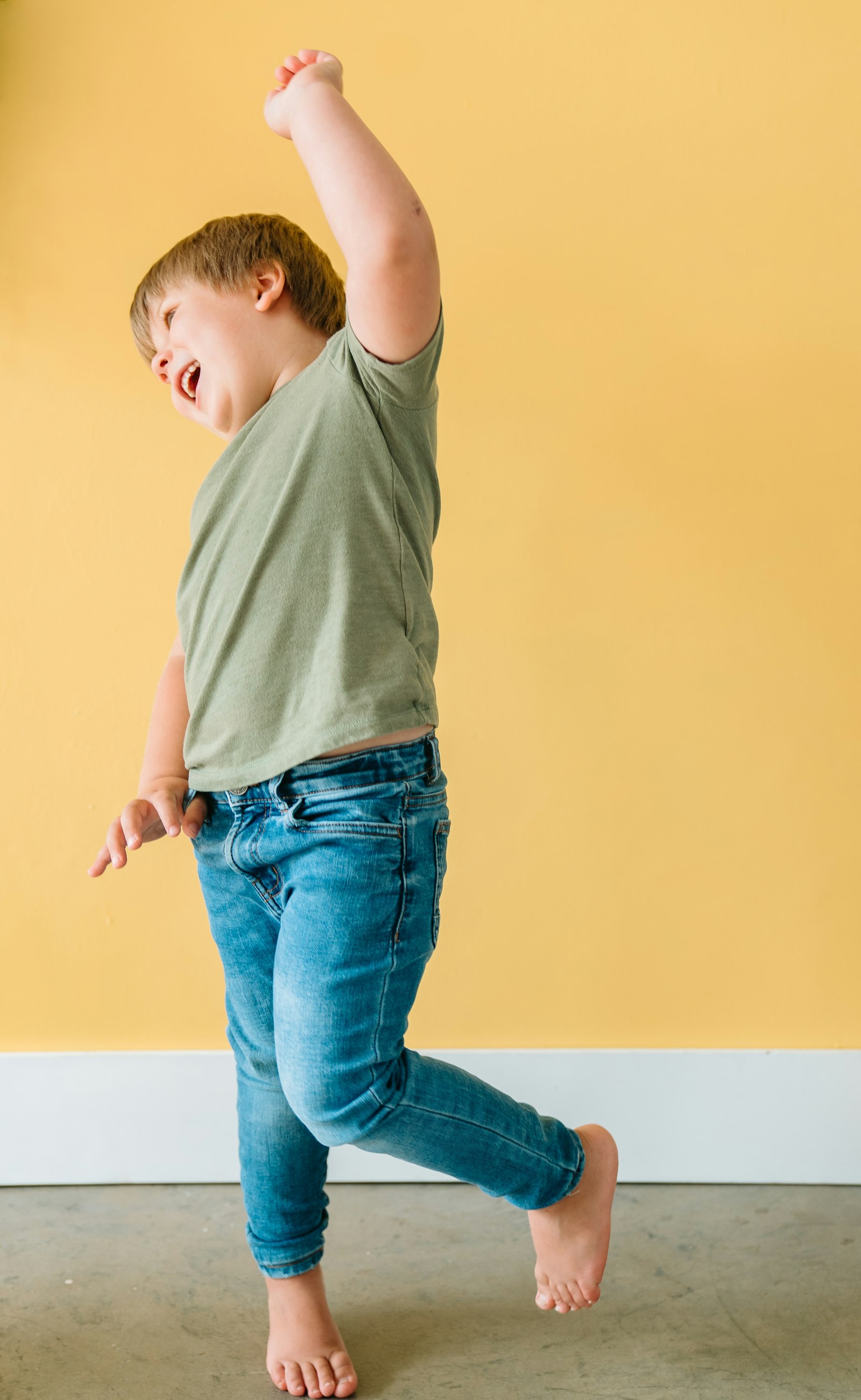
Across Rochester, NY, more families than ever are enrolling their sons in dance — and for good reason. Dance builds athletic ability, discipline, coordination, and confidence in ways few other activities can match. The old idea that dance is “just for girls” is fading fast, and Rochester families are leading the change.
At Dance Connection Rochester, we’ve watched boys of every age step into the studio and discover something they didn’t expect: that dance is one of the most demanding and rewarding sports there is.
If you’ve searched “dance classes for boys in Rochester NY” or wondered whether your son might enjoy dance, here’s why so many local families are saying yes.
1. Dance Is an Elite Athletic Activity
Dancers are athletes. The strength, flexibility, balance, and stamina dance requires rivals any traditional sport. Boys who dance regularly often outperform peers in:
- Vertical jump and explosive power
- Coordination and agility
- Body control and balance
- Cardiovascular endurance
Many professional athletes — from football players to NBA stars — train in dance specifically for these benefits.
2. Hip Hop Is a Natural Entry Point
For boys curious about dance but uncertain where to start, hip hop is often the perfect introduction. The energy is high, the movement is bold, and the music is what most kids already listen to.
Hip hop builds rhythm, athleticism, and confidence — all in a style that feels approachable from day one.
3. Tap Builds Rhythm Like Nothing Else
Tap dance is one of the most underrated styles for young boys. It builds:
- Precise rhythm and timing
- Foot speed and agility
- Musicality and listening skills
- Pure fun — making real sound with your feet is exciting
Many of the best male performers across genres trained in tap at a young age. It’s a foundation that opens doors.
4. Acrobatics Is the Dance Style Boys Often Love Most
Flips, handsprings, balance work, tumbling sequences — acrobatics blends strength, courage, and choreography. For boys who enjoy gymnastics, parkour, or just being upside down, acro is a natural fit.
It also builds body awareness and trust in movement that translates to every other physical activity.
5. Dance Helps Boys Burn Energy Productively
Most parents know the feeling: a kid with energy to spare and nowhere productive to put it. Dance is a structured outlet that lets boys move hard, think fast, and walk out of class genuinely tired in the best way possible.
That’s good for sleep. Good for focus. Good for the household.
6. Confidence Builds Quickly in a Supportive Environment
Boys often start dance with hesitation — especially if they’ve been told dance “isn’t for them.” What changes that quickly is environment. In a studio where instructors meet each dancer where they are and friends cheer each other on, confidence builds fast.
Many of our male dancers walked in shy and walked out leading the room.
7. The Discipline Translates to Other Areas
Dance training requires showing up, working through frustration, and committing to growth over time. Those habits don’t stay in the studio. Parents regularly tell us their sons:
- Focus better in school
- Handle setbacks more maturely
- Take ownership of their commitments
- Carry themselves with greater poise
That’s the kind of skill set that pays off long after the choreography fades.
8. Cross-Training Benefits for Other Sports
Boys who play hockey, football, baseball, soccer, or basketball benefit enormously from dance training. The flexibility, balance, and coordination work directly improves performance in other sports.
Coaches around Rochester increasingly recognize this. Dance isn’t a substitute for traditional sports — it’s a powerful supplement.
9. The Friendships Are Different — In the Best Way
Dance studios bring together kids who might never otherwise meet. Boys who train at our studio make friends across age ranges, schools, and interests. They learn to collaborate, support each other, and celebrate wins together.
That kind of community is increasingly rare and increasingly valuable.
10. It’s Never Too Late to Start
Worried your son is too old to begin? Don’t be. We welcome new male dancers at every age — from preschool through teen. Each one finds the right entry point for where they are and grows from there.
The boys who eventually love dance the most are often the ones who started later than their peers and brought fresh energy with them.
Famous Athletes Who Trained in Dance
One of the easiest ways to break the “dance isn’t for boys” myth is to look at who trains in it. NFL stars, NBA players, soccer professionals, and Olympic athletes have publicly credited dance training for their on-field performance. Hines Ward, Jerry Rice, Lynn Swann, Misty Copeland’s male counterparts — the list keeps growing.
The reason is simple: dance trains the kind of explosive, controlled, multi-directional movement that elite athletes need. The flexibility, balance, and rhythm work directly translate to virtually every sport.
How to Talk to Your Son About Trying Dance
If your son is hesitant, that’s normal. Here’s what tends to work for Rochester families:
- Frame it as athletic training — emphasize the strength, agility, and coordination work
- Pick a style with built-in appeal — hip hop, breakdancing, and acrobatics often resonate fastest
- Show him examples — videos of male dancers, athletes who train in dance, or older students at the studio
- Offer a no-pressure trial — one class is enough to know if it clicks
- Avoid making it a big deal — the more low-key the framing, the easier it is to try
The goal is to remove pressure, not add it. Dance speaks for itself once they’re actually moving.
What to Expect in His First Few Classes
Most boys walk into their first class slightly self-conscious and walk out genuinely surprised by how much fun they had. The first few weeks usually involve learning basic steps, getting comfortable with the room, and building rapport with teachers and classmates.
By week three or four, almost every new male dancer settles in. The body remembers what it learned faster than expected. The friendships start to form. The confidence kicks in. Many of the boys who eventually thrive in dance look back at that first class as the moment something clicked.
Ready to Get Your Son Started?
If you’ve been wondering whether dance might be a fit for your son, the simplest answer is to try a class. One session is usually enough to see whether the spark is there.
Browse our full list of dance programs, learn about our studio facility, or contact Dance Connection Rochester to find the right starting point. More Rochester boys are dancing than ever — and they’re glad they started.
‹ Back
Recent Posts
-
Mid-Season Check-In: Signs Your Child Is Thriving in Dance Class
October 1, 2026
-
New to Dance This Year? A First-Season Survival Guide for Rochester Families
September 23, 2026
-

-

How Dance Helps Kids Build Routine and Focus During the School Year
September 11, 2026
-