


Blog
Dance vs. Team Sports: Which Activity Is the Right Fit for Your Rochester Child?
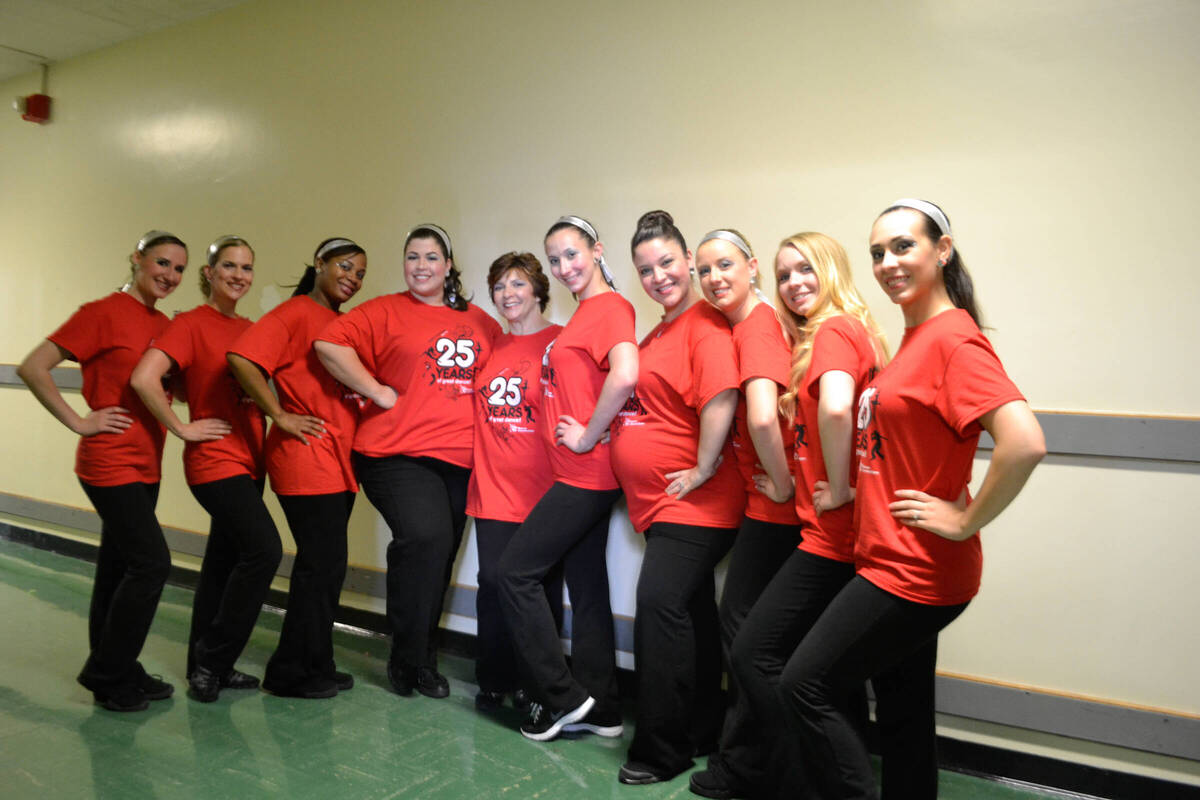
For a lot of Rochester families, fall means one big decision: what activity should our child do this year? Very often the choice comes down to dance versus a team sport like soccer, basketball, or softball. Both are wonderful. Both keep kids active and engaged. But they offer different experiences, and the right fit depends a lot on your individual child.
At Dance Connection Rochester, we are obviously fans of dance, but we also believe in honest guidance. This article compares dance and team sports fairly, so you can make the choice that genuinely fits your child rather than the one everyone else is making.
If you have searched "dance vs sports for kids" or "best activity for my child," here is a balanced look at both.
1. Both Build Fitness, in Different Ways
Team sports build cardiovascular fitness, agility, and bursts of athletic power. Dance builds strength, flexibility, balance, coordination, and stamina, often working muscle groups that sports do not. Neither is more "athletic" than the other. They simply develop the body in different ways.
In fact, many serious athletes take dance to improve their balance and body control, and many dancers cross-train with sports. The two complement each other well.
2. Individual Growth vs Team Dynamics
One of the biggest differences is the social structure. Team sports center on collective goals: winning games, executing plays, and relying on teammates. Dance blends individual growth with group performance, so kids develop personal skills while also learning to move as part of an ensemble.
Some kids thrive on the competitive team energy. Others flourish when their progress is measured against themselves rather than a scoreboard. Knowing which describes your child is a big clue.
3. The Role of Competition
Team sports are inherently competitive, with winners, losers, and rankings. For some kids, that competition is thrilling and motivating. For others, it adds pressure that takes the fun out of the activity.
Dance offers performance and achievement without head-to-head competition. Dancers work toward recitals and personal milestones rather than beating an opponent, which can be a much better fit for kids who feel stressed by competition.
4. Creativity and Self-Expression
This is where dance stands apart. Beyond the physical, dance is an art form. It teaches musicality, emotional expression, and creativity in a way sports generally do not. Kids learn to tell stories with their bodies and to express themselves through movement.
For a child with a creative streak, that artistic outlet can be deeply fulfilling and is hard to replicate on a sports field.
5. Year-Round vs Seasonal
Most team sports run in seasons, which means activity comes and goes throughout the year. Dance is typically year-round, building skills steadily over many months. That continuity helps kids develop deep mastery and a strong sense of progress.
It also means dance provides consistent structure all year, rather than gaps between seasons when kids are suddenly less active.
6. Confidence That Carries Over
Both activities build confidence, but in different flavors. Sports build confidence through teamwork and competition. Dance builds it through mastery, performance, and the courage to step on stage. The confidence a child gains from nailing a recital routine in front of an audience is a powerful, lasting thing.
Either way, a child who sticks with an activity and improves at it walks taller in every part of life.
If you are weighing the options for your child, contact Dance Connection Rochester and we will happily talk through whether dance is the right fit, no pressure attached.
7. What About Doing Both?
Here is something many parents overlook: it does not have to be either-or. Plenty of kids play a sport and dance, and the two reinforce each other. Dance improves the footwork, balance, and body awareness that help on the field, while sports build the cardio base that supports dance.
If your schedule allows, a combination can give your child a remarkably well-rounded athletic and creative foundation.
8. How to Read Your Own Child
The best guide is your child's own temperament. Ask yourself:
- Do they love music, rhythm, and expressing themselves?
- Do they prefer steady personal progress over competition?
- Do they light up performing rather than competing?
- Do they want creativity along with physical activity?
If you are nodding yes, dance is very likely the better fit. If your child craves competition and team camaraderie above all, a sport might edge ahead.
Why Dance Often Wins for the Long Haul
One quiet advantage of dance is longevity. Many kids age out of competitive sports, but dance is something a person can enjoy for life, recreationally or seriously. The skills, discipline, and love of movement that dance instills tend to stick around long after childhood.
It is an activity that can grow with your child rather than ending when a season or a team does.
Talk to Your Child Before Deciding
It is easy for parents to make the activity decision on their own, but involving your child often leads to a better outcome. Ask them what sounds fun. Ask whether they would rather perform on a stage or compete on a field, whether they like working as one of many on a team or growing at their own pace. Their answers, and their excitement level, tell you a lot.
Kids are far more likely to stick with and enjoy an activity they had a hand in choosing. That sense of ownership matters. A child who chose dance because it genuinely appealed to them will show up with more enthusiasm than one who was simply signed up. Of course, you know your child best, and sometimes a parent can see a fit the child has not considered yet. The ideal is a conversation: you share the options, they share their reactions, and together you land on something that feels right. That collaborative choice sets the whole season up for success.
Make the Choice That Fits Your Child
There is no universally right answer to dance versus sports. There is only the right answer for your particular child, and you are the best judge of that. The goal is simply to get them active, engaged, and excited about what they do.
If dance sounds like the fit, explore our fall classes, learn about our Rochester studio, or contact Dance Connection Rochester to find the perfect class. Whatever you choose, an active, engaged child is always the goal.
‹ Back
Recent Posts
-
-

How Dance Helps Kids Build Routine and Focus During the School Year
September 11, 2026
-
-
-
A Parent's Guide to Dance Attire and Shoes for the New Season
August 24, 2026