

Blog
What Real Progress Looks Like in Dance (and Why It Is Not Always Obvious)
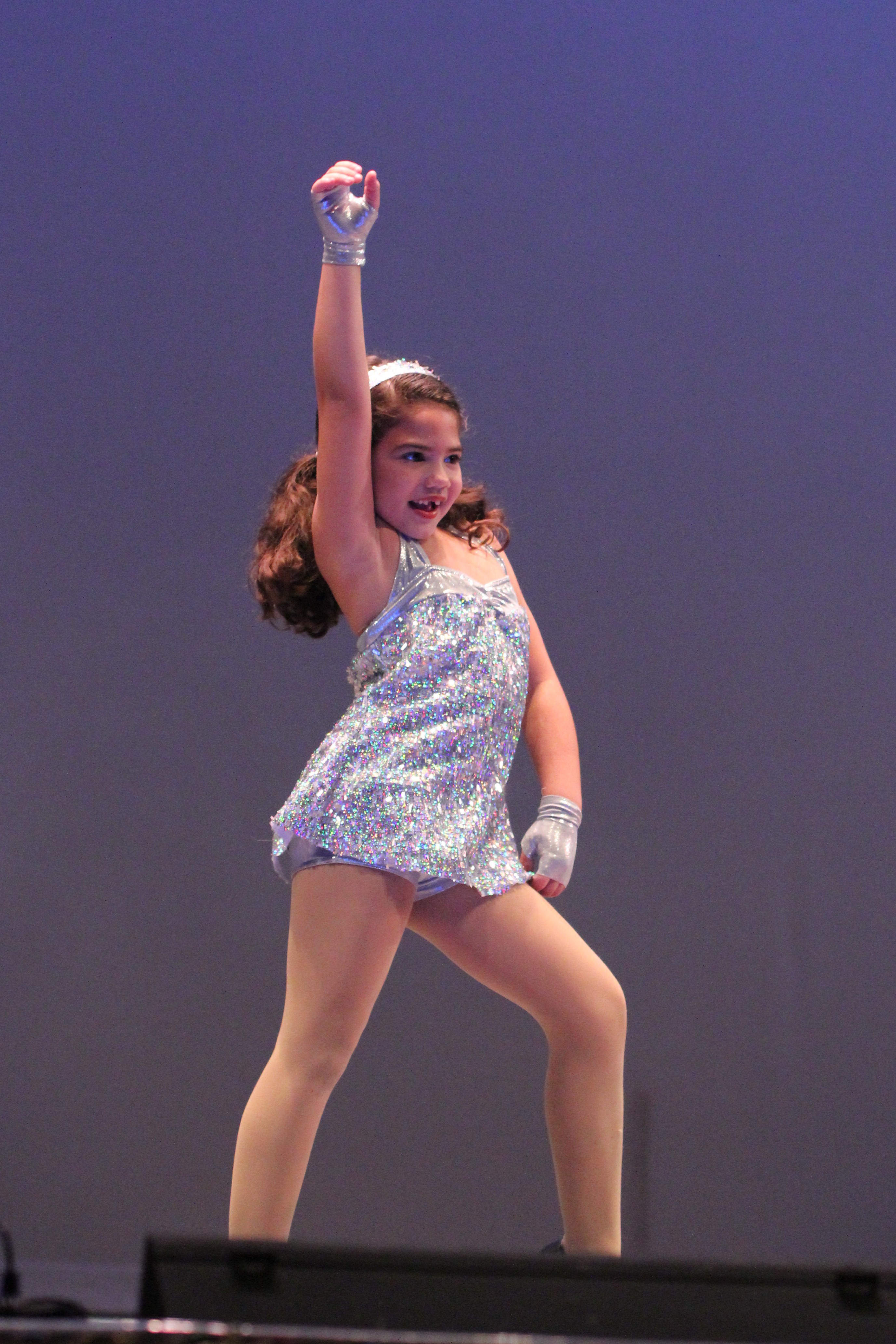
Ask a parent how their child is progressing in dance and most will describe something visible: a turn they can finally hold, a split they are close to, a leap that got higher. Those are real markers. They are also a small fraction of what is actually improving, and focusing only on them can make a genuinely thriving dancer look stuck.
At Dance Connection Rochester, we spend a lot of time helping families widen their definition of progress. This article covers what real growth looks like in a dancer, including the parts that never show up in a recital.
If you have searched "how do I know if my child is improving in dance" or "dance progress for kids," here is a fuller picture.
1. Progress Happens in Steps, Then Plateaus
Skill acquisition is not linear for anyone. Dancers improve noticeably, then appear to stall for weeks while the body consolidates what it learned, then jump again. Those flat stretches are not stagnation. They are the necessary quiet part of the cycle.
A dancer who seems stuck in November is often the same dancer who breaks through in January.
2. Quality Improves Before Difficulty Does
Long before a dancer adds a harder skill, the skills they already have get cleaner. Arms arrive on time. Landings get quieter. Transitions stop looking rushed. Parents rarely notice these changes, but teachers do, and they are the truest sign of technical growth.
Watch how your child does the simple things, not just whether they attempt the hard ones.
3. Recovery Gets Faster
Here is a marker almost nobody tracks. Early on, a dancer who wobbles or forgets a step falls apart for the next eight counts. Later, they recover in a beat and keep going. That composure under pressure is a substantial skill and it develops quietly.
Watch what happens after a mistake. That is where growth often shows first.
4. They Pick Up Choreography Faster
Learning to learn is its own skill. Over a season or two, dancers get dramatically quicker at absorbing new combinations, retaining them, and recalling them a week later. This improvement is invisible from the audience but obvious in class.
Faster retention is one of the most reliable indicators of a dancer's real development.
5. They Start Self-Correcting
Early in training, dancers wait to be told what is wrong. Later, they feel it themselves and adjust without prompting. That shift from external to internal awareness is one of the most meaningful transitions a dancer makes.
A dancer who fixes their own alignment has become a genuine student of the art form.
6. Stamina Increases Quietly
Compare how your child looks at the end of class in September to the end of class in February. Dancers who once faded in the last fifteen minutes finish strong. That conditioning is real athletic progress, and it happens gradually enough to go unnoticed.
Endurance is often the first thing to improve and the last thing anyone comments on.
Want a teacher's read on how your dancer is progressing? Contact Dance Connection Rochester. We are always happy to share what we are seeing.
7. Their Relationship With Difficulty Changes
This is the growth that matters most and shows least. A dancer who once avoided anything they might fail at will, over time, start choosing the harder option. That willingness to be uncomfortable in pursuit of improvement is the whole game.
It also happens to be the single most transferable thing dance teaches.
8. They Perform Rather Than Execute
At some point a dancer stops thinking only about the steps and starts communicating something. Eye focus lifts, energy projects, and the movement gains intention. That transition can happen suddenly, and once it does it never fully reverses.
When your dancer starts performing instead of remembering, something significant has shifted.
Signs of Progress Worth Watching For
If you want a more complete list to keep an eye on:
- Cleaner execution of skills they already had
- Faster recovery after a mistake
- Quicker pickup and retention of choreography
- Self-correction without being prompted
- Better stamina through a full class
- Willingness to attempt things they might not get
- More projection and intention when performing
Any two or three of those constitute a genuinely strong season, regardless of what skills they have or have not landed.
It also helps to remember how much of a young dancer's progress is affected by things nobody controls. Growth spurts temporarily scramble balance and coordination, and a dancer who suddenly seems to have gone backward is often just adjusting to a body that changed over the summer. Illness, a busy stretch at school, or a rough few weeks socially will all show up in the studio. None of it means a dancer has stopped improving, and almost all of it resolves on its own with a little patience.
Why This Matters More Than It Sounds
The reason we press this point with families is that a narrow definition of progress does real damage. A child who is improving in six of the ways above, but who has not yet landed the skill their friend landed, can end a season believing they failed. We have seen dancers quit over that, and it is genuinely avoidable. What a child believes about their own progress shapes whether they keep going, and parents have enormous influence over that belief.
The practical fix is simple: broaden what you notice out loud. Instead of asking whether they got their turn, mention that you saw them recover smoothly when they wobbled, or that they seemed to pick up the new combination fast, or that they finished class with energy left. Children are not usually tracking these things themselves, and hearing an adult name them is often the first time they realize they have grown at all. It also quietly teaches them what to value, which is a lesson that outlasts dance entirely. Skills come and go depending on body changes, growth spurts, and timing. The habits of persistence, self-awareness, and resilience are permanent, and those are the ones worth celebrating.
Celebrate the Whole Picture
Your dancer is almost certainly progressing more than either of you realize. Most of it just does not look like the version of progress we are trained to look for.
Explore our current classes, learn more about our approach on the about page, or contact Dance Connection Rochester to talk about your child's growth. We would love to tell you what we see.
‹ Back
Recent Posts
-
-
Giving Back Through Dance: How Our Studio Family Supports Rochester
November 19, 2026
-
Lyrical and Contemporary Dance: Where Technique Meets Emotion
November 13, 2026
-
How Dance Builds Teamwork and Lifelong Friendships
November 7, 2026
-