

Blog
Lyrical and Contemporary Dance: Where Technique Meets Emotion
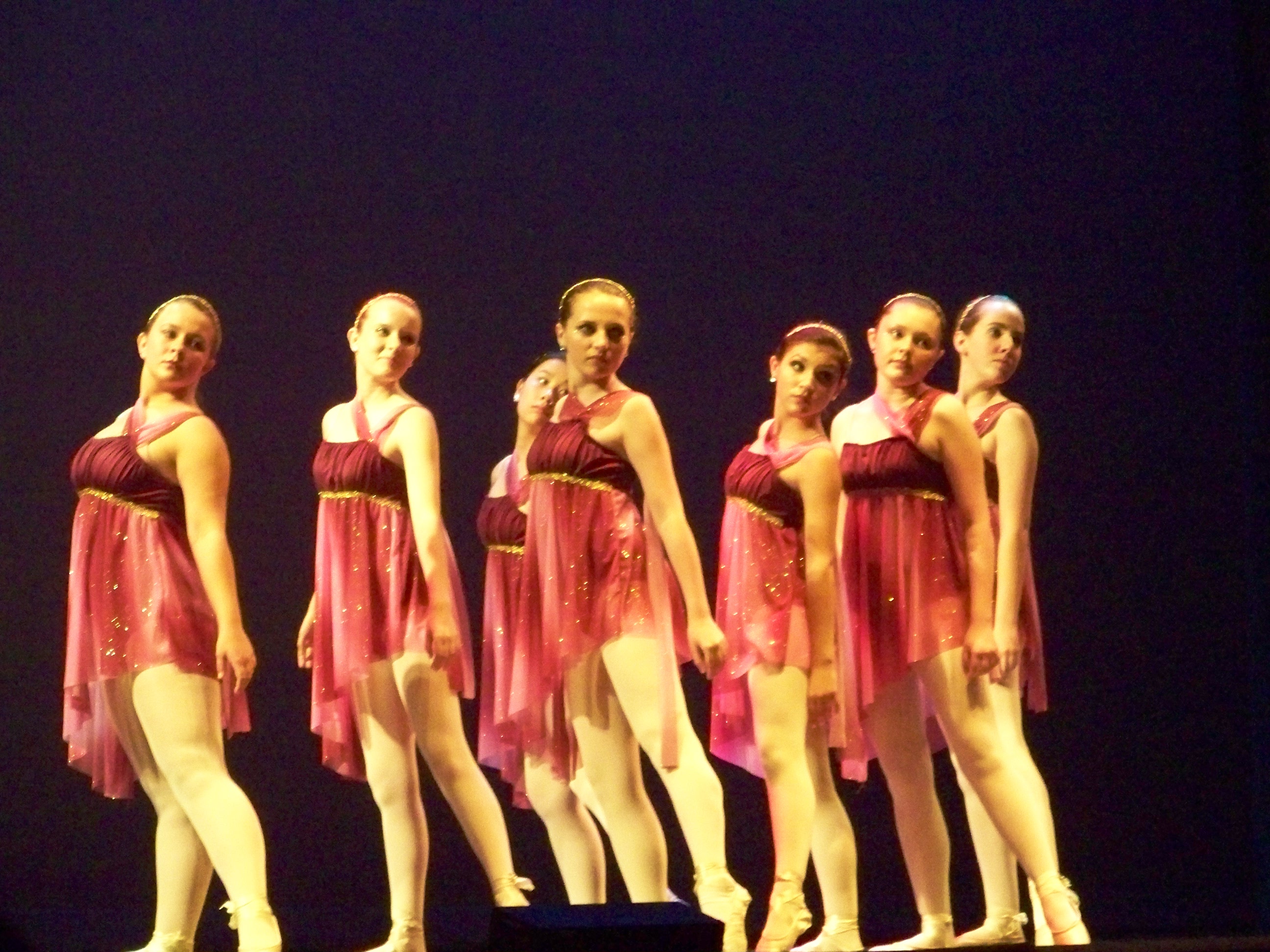
There is a moment in most dancers' lives when the steps stop being enough. They have the technique, they can hit the positions, and something in them wants to say more than the choreography is asking. That is usually when lyrical and contemporary dance start to make sense, and for a lot of dancers it becomes the style they love most.
At Dance Connection Rochester, lyrical and contemporary work is where we see dancers make their biggest leaps in artistry. This article explains what these styles are, how they differ, and why they matter for a growing dancer.
If you have searched "lyrical dance classes Rochester NY" or "what is contemporary dance for kids," here is a clear explanation.
1. Lyrical Is Story Told Through Movement
Lyrical dance takes ballet and jazz technique and applies it to the emotional content of a song. Dancers interpret lyrics literally and figuratively, and the movement flows in a way that matches the music's feeling rather than just its beat.
It is the style most likely to make an audience feel something, which is precisely the point.
2. Contemporary Pushes the Boundaries Further
Contemporary borrows from modern dance, ballet, and lyrical, but it is less bound by convention. Dancers work with floor work, weight shifts, release, and unexpected shapes. The vocabulary is wider and the interpretation is more open.
For dancers who find classical forms constraining, contemporary is often a revelation.
3. Both Demand Real Technique
This surprises people. Lyrical and contemporary can look free and improvised, but they rest on serious technical foundations. Control, balance, extension, and turnout all come from ballet, and without them the movement loses its shape.
The freedom in these styles is only possible because of the discipline underneath it.
4. They Teach Emotional Expression Safely
For many young dancers, particularly in the preteen and teen years, these classes become an outlet for feelings that are hard to articulate. Movement gives them a vocabulary that words do not, in a setting that is structured and supportive.
Parents often describe this as the class where their child seems most themselves.
5. Musicality Deepens Significantly
Lyrical and contemporary ask dancers to respond to phrasing, dynamics, and mood rather than counting eights. Learning to breathe with music instead of marching through it is a genuine shift, and it improves a dancer's work in every other style.
Dancers who train in these styles almost always become more musical performers overall.
6. Strength and Control Grow in New Ways
Floor work, controlled descents, and sustained extensions build a different kind of strength than jumps and turns do. Contemporary in particular develops core stability and eccentric control that most dancers do not get elsewhere.
This kind of conditioning also tends to reduce injury risk across a dancer's other classes.
Curious whether your dancer is ready for lyrical or contemporary? Contact Dance Connection Rochester and we will help you find the right level.
7. They Build Confidence of a Different Kind
Performing lyrical or contemporary work asks a dancer to be vulnerable in front of an audience, which is harder than being impressive in front of one. Dancers who learn to do that develop a quiet self-assurance that shows up well beyond the stage.
It is a more mature kind of confidence, and it tends to stay with people.
8. They Open Doors Later
Contemporary is the dominant language of professional and collegiate dance today. A dancer who has trained in it is far better prepared for auditions, college programs, and advanced work than one who has only studied classical styles.
Even for dancers with no professional ambitions, the versatility is valuable.
What These Classes Typically Involve
A lyrical or contemporary class usually includes:
- A warm-up emphasizing flexibility, core, and control
- Technique work drawn from ballet and modern vocabulary
- Floor work and weight-transfer exercises
- Across-the-floor phrases focused on flow and quality
- Choreography with attention to interpretation
- Guidance on connecting movement to intention
The balance between technical rigor and expressive work is what makes these classes distinctive.
What often surprises new students is how physically demanding the work turns out to be. Slow, controlled movement is far harder than fast movement, because there is nowhere to hide and no momentum to borrow. Holding a sustained extension, lowering to the floor with control, or moving through a transition without rushing all require strength that dancers may not have built elsewhere. Most students find the first few weeks genuinely tiring, and then find themselves noticeably stronger by the end of the season, with better balance and control carrying over into every other class they take.
When Is a Dancer Ready?
Readiness for lyrical and contemporary is less about age than about two things: technical foundation and emotional maturity. On the technical side, a dancer needs enough ballet training to control their body through slow, sustained movement, which is considerably harder than moving quickly. Without that base, the choreography tends to look shapeless rather than expressive, and the dancer knows it, which is discouraging. Most dancers have enough foundation by the upper elementary or middle school years, though it varies widely.
The emotional side matters just as much. These styles ask a dancer to interpret, to make choices about meaning, and to perform something personal in front of other people. Younger children can absolutely enjoy the movement, but the interpretive depth tends to arrive with adolescence. That is part of why lyrical and contemporary so often become a teenager's favorite class: it meets them exactly where they are developmentally, at an age when they have a great deal to express and not many places to put it. If your dancer is younger and drawn to these styles, a strong ballet and jazz foundation now is the best possible preparation. When they are ready, they will be genuinely ready, and the work they do will be worth watching.
Explore the Expressive Side of Dance
Lyrical and contemporary dance are where technique becomes art. They build strength, musicality, and a form of confidence that comes from being honest on stage.
Learn more on our lyrical dance page, browse the full class schedule, or contact Dance Connection Rochester to talk about the right starting point for your dancer.
‹ Back
Recent Posts
-
Lyrical and Contemporary Dance: Where Technique Meets Emotion
November 13, 2026
-
How Dance Builds Teamwork and Lifelong Friendships
November 7, 2026
-
-
-