


Blog
How Dance Builds Teamwork and Lifelong Friendships

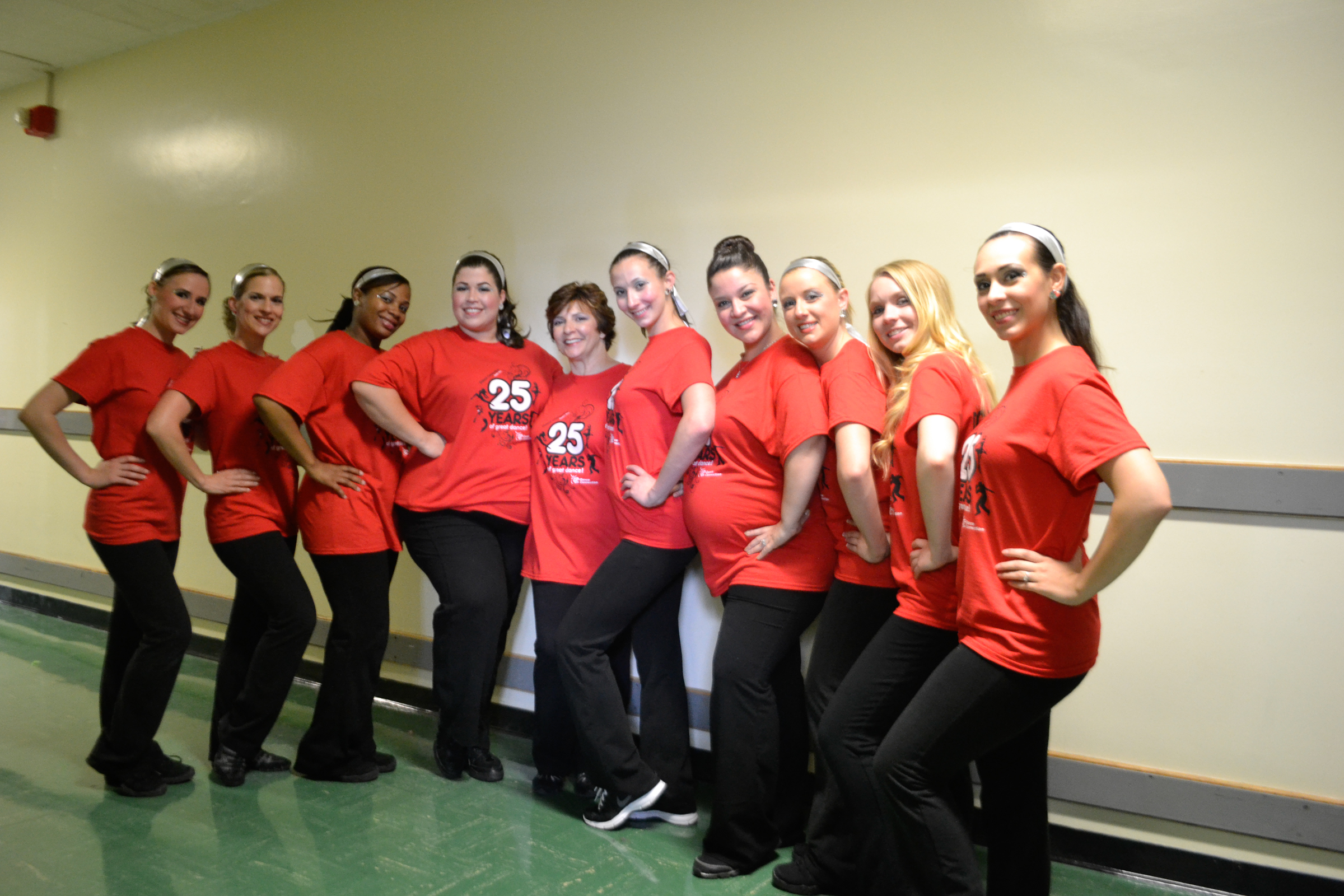
Ask a dancer years later what they remember about their studio and very few will lead with technique. They will tell you about the girl they always stood next to, the group text that lasted through high school, the backstage chaos before a recital, the friend who noticed they were having a bad day. The steps fade. The people do not.
At Dance Connection Rochester, we have watched friendships form in our studios that outlast the classes themselves, and we do not think that is incidental. Something about how dance works builds connection more reliably than most childhood activities.
If you have searched "activities that help kids make friends" or "does dance help with social skills," here is what actually happens in the room.
1. Dancers Depend on Each Other Immediately
A group routine only works if everyone holds their spacing and hits their timing. That interdependence is built into the form. From the first week, dancers learn that their choices affect the people beside them, which creates a kind of accountability that friendship grows out of naturally.
Shared responsibility bonds children faster than shared proximity ever will.
2. Everyone Is Bad at Something Together
Dance class is a room full of children publicly attempting things they cannot yet do. That shared vulnerability is enormously levelling. There is no hiding at the back of a dance studio, and when everyone is visibly struggling, nobody has to be embarrassed about it.
Kids bond over shared difficulty far more deeply than over shared success.
3. The Group Stays the Same All Year
Unlike school, where classes shuffle and seating changes, a dance class is usually the same dancers in the same room every week for an entire season. That consistency gives quieter children the time they need to warm up to people, which a one-off setting never would.
Many friendships that look instant actually took two months of the same Tuesday to form.
4. Older Dancers Mentor Younger Ones
Studios are one of the few places where a fifteen-year-old and an eight-year-old regularly interact with genuine mutual respect. Younger dancers look up to older ones, and older dancers rise to that. Both sides get something valuable from it.
Those cross-age relationships teach leadership and admiration in equal measure.
5. Performing Together Creates a Shared Story
There is nothing quite like the moment before a group walks on stage. The nerves, the last-minute costume fixes, the shared exhale afterward. Going through something slightly frightening together produces a bond that ordinary hanging out simply does not.
Every recital gives a class a story they will still be referencing years later.
6. Encouragement Is Modelled, Then Copied
Teachers praise effort, correct kindly, and celebrate a classmate's breakthrough out loud. Children absorb that tone and start doing it themselves. Within a season, most classes develop a habit of clapping for whoever finally lands the thing they have been working on.
Learning to be genuinely glad for someone else's success is a rare and valuable skill.
Wondering whether your child would find their people here? Contact Dance Connection Rochester and we will help you find a class with the right fit.
7. It Works for Shy Children
Dance is unusually friendly to introverted kids. There is no requirement to talk in order to belong, and participation happens through movement rather than conversation. Shy dancers can be fully part of a group from day one and let the talking come later, if it comes at all.
For a child who finds unstructured socializing exhausting, this is a real gift.
8. The Friendships Cross Schools and Neighborhoods
Studio classes pull from across the region, so your child meets kids who do not attend their school. That widens their world, gives them a social circle independent of school dynamics, and provides a genuine reset if things are hard in the classroom.
Having friends who exist outside school is protective in ways that matter enormously in the middle school years.
What Parents Can Do to Help It Along
Friendship cannot be forced, but it can be supported:
- Arrive a few minutes early so there is time to talk in the lobby
- Ask who your child stood next to, not just what they learned
- Keep them in the same class rather than switching times mid-season
- Say yes to studio events and performances
- Get to know the other parents in the waiting area
- Give a new class a full season before deciding it is not a fit
Most of this is just creating the conditions and then letting time do the work.
The Part That Lasts Longest
Every year we watch a group of dancers who started together as five-year-olds finish their last season as teenagers, and the thing that strikes us is never the technique, though the technique is often remarkable. It is that they have grown up in the same room. They have seen each other be scared, be clumsy, be brilliant, be exhausted, and be proud. That is a decade of shared experience that very few childhood friendships accumulate, and it produces a closeness that is unmistakable from the outside.
What we want families to understand is that this is available at every level, not just to the dancers who stay for a decade or compete. A child who takes one class a week for two years still gets it: the familiar faces, the shared nerves, the classmate who saves them a spot. The social benefit of dance is not a bonus reserved for the most committed dancers. It is the ordinary result of showing up in the same room, doing something hard, alongside the same people, week after week. If your child needs a place where belonging comes easily, a dance class is one of the most reliable ones we know.
Come Find Your People
Dance builds coordination, discipline, and confidence, but the friendships are what dancers carry longest. A studio is a community first and a classroom second.
Browse our current class schedule, see what our families say on the testimonials page, or contact Dance Connection Rochester to get started. We would love to welcome your dancer into ours.
‹ Back
Recent Posts
-
How Dance Builds Teamwork and Lifelong Friendships
November 7, 2026
-

-

-

-
What Dance Teachers Wish Every Rochester Parent Knew
October 13, 2026