


Blog
A Parent's Guide to Dance Attire and Shoes for the New Season
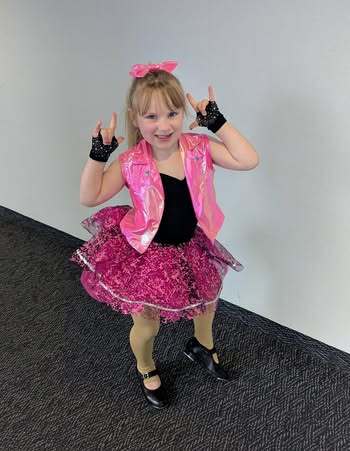
As a new dance season approaches, one question lands in every parent's inbox and mind: what does my child actually need to wear? Between leotards, tights, shoes, and style-specific gear, dancewear can feel surprisingly complicated for something that is supposed to be simple. The good news is that once you understand the basics, shopping for the season becomes quick and painless.
At Dance Connection Rochester, we want every dancer to show up comfortable, prepared, and ready to move. This guide breaks down dance attire and shoes by category so you can shop once, shop smart, and avoid the frustration of getting it wrong.
If you have searched "what to wear to dance class" or "dance attire guide for kids," here is a clear, season-ready rundown.
1. Why Proper Attire Matters
Dancewear is not about looking the part. It is about function and safety. Proper attire lets dancers move freely, helps teachers see and correct alignment, and keeps kids comfortable through an active class. The right shoes protect feet and provide the grip or slide each style requires.
Showing up in the correct gear also helps a child feel like a real dancer, which is a quiet but meaningful confidence boost.
2. The Everyday Basics
For most classes, the foundation of dancewear is simple and consistent:
- A leotard or fitted top that allows movement and visibility of form
- Tights or fitted leggings appropriate to the class
- Hair pulled back securely and off the face
- The correct shoes for the specific style
- A small dance bag to keep it all together
Fitted clothing is not about fashion. It lets teachers see the body's lines so they can guide proper technique safely.
3. Ballet: Soft Shoes and Clean Lines
Ballet typically calls for a leotard, tights, and soft ballet slippers. The fitted attire allows for the precise alignment ballet demands, and the soft shoes support the foot while allowing it to articulate. As dancers advance, additional gear may come into play, but beginners keep it simple.
Hair is usually secured in a bun or pulled back neatly so it stays out of the way during turns and movement.
4. Tap: It Is All About the Shoes
Tap's defining gear is, of course, the tap shoes, with their metal plates that create the signature sound. Beyond that, comfortable dancewear that allows free movement is all that is needed. Proper tap shoes genuinely affect a dancer's progress and sound, so they are worth getting right.
Make sure shoes fit well, since loose tap shoes make clean sounds harder and can be a tripping hazard.
5. Jazz and Hip Hop: Movement-Friendly Gear
Jazz often uses jazz shoes and fitted, stretchy clothing that moves with the body. Hip hop is usually the most relaxed, with comfortable athletic wear and sneakers, depending on the class. These styles prioritize freedom of movement and energy.
For hip hop especially, clean indoor sneakers that have not been worn outside are often required to protect the studio floor.
6. Acro: Fitted and Flexible
Acro dancers usually wear fitted attire that allows full range of motion and lets instructors spot safely. Because acro involves balances, rolls, and inversions, loose or baggy clothing can get in the way. Fitted, stretchy clothing is the way to go.
Acro is often done in bare feet, but always follow your specific class guidance.
Not sure exactly what your child's class requires? Contact Dance Connection Rochester and we will tell you precisely what to buy before day one.
7. Check the Dress Code Before You Shop
Every studio has specific requirements, and ours are spelled out clearly so you never have to guess. Before buying anything, review our dress code and student attire guide. These tell you exactly what each class needs, which saves money and prevents returns.
A few minutes reading the guidelines now prevents a frustrating trip back to the store later.
8. Smart Shopping Tips
A little strategy makes dancewear shopping easier and more affordable:
- Buy the essentials first, then add as needed
- Choose quality shoes, since they affect performance and last longer
- Label everything with your child's name
- Keep a spare hair tie in the dance bag at all times
- Allow a little growing room in clothing, but keep shoes properly fitted
Shoes are the one place not to size up too much, since proper fit affects both safety and skill.
Keeping Gear Organized All Season
Once you have everything, organization keeps the season stress-free. A dedicated dance bag that stays packed and ready means you are never hunting for a missing shoe before class. Have your dancer help repack the bag after each class so it becomes a habit, and do a quick gear check at the start of each month to catch anything that needs replacing as your child grows.
A little organization turns dance day from a scramble into a smooth routine.
When to Replace and Upgrade Gear
Kids grow, and dancewear wears out, so part of staying season-ready is knowing when to replace things. Shoes are the most important to monitor, since a tight or worn shoe affects both comfort and technique. Check the fit every couple of months, especially during growth spurts, and replace shoes that have become snug or have worn-down soles or tap plates.
Clothing has a little more flexibility, but watch for items that have become too small or too stretched out to provide proper support. A leotard that no longer fits well makes class less comfortable and can distract a dancer. As your child advances, they may also need additional or upgraded gear for certain styles, so it is worth checking in with the studio at the start of each season. A quick conversation prevents surprises and ensures your dancer always has what they need. Keeping a simple checklist and doing a gear review every few months turns replacement into a small, manageable task rather than a last-minute scramble before class.
Get Season-Ready the Easy Way
Dancewear does not have to be complicated. Once you know what each class needs, you can shop with confidence and send your dancer to class comfortable, prepared, and ready to shine all season long.
Start with our student attire guide, double-check the dress code, or contact Dance Connection Rochester with any questions. A well-prepared dancer is a confident dancer, and that starts with the right gear.
‹ Back
Recent Posts
-
-
Mid-Season Check-In: Signs Your Child Is Thriving in Dance Class
October 1, 2026
-
New to Dance This Year? A First-Season Survival Guide for Rochester Families
September 23, 2026
-
-

How Dance Helps Kids Build Routine and Focus During the School Year
September 11, 2026