


Blog
Jazz Dance for Kids and Teens: Building Style, Strength, and Stage Presence
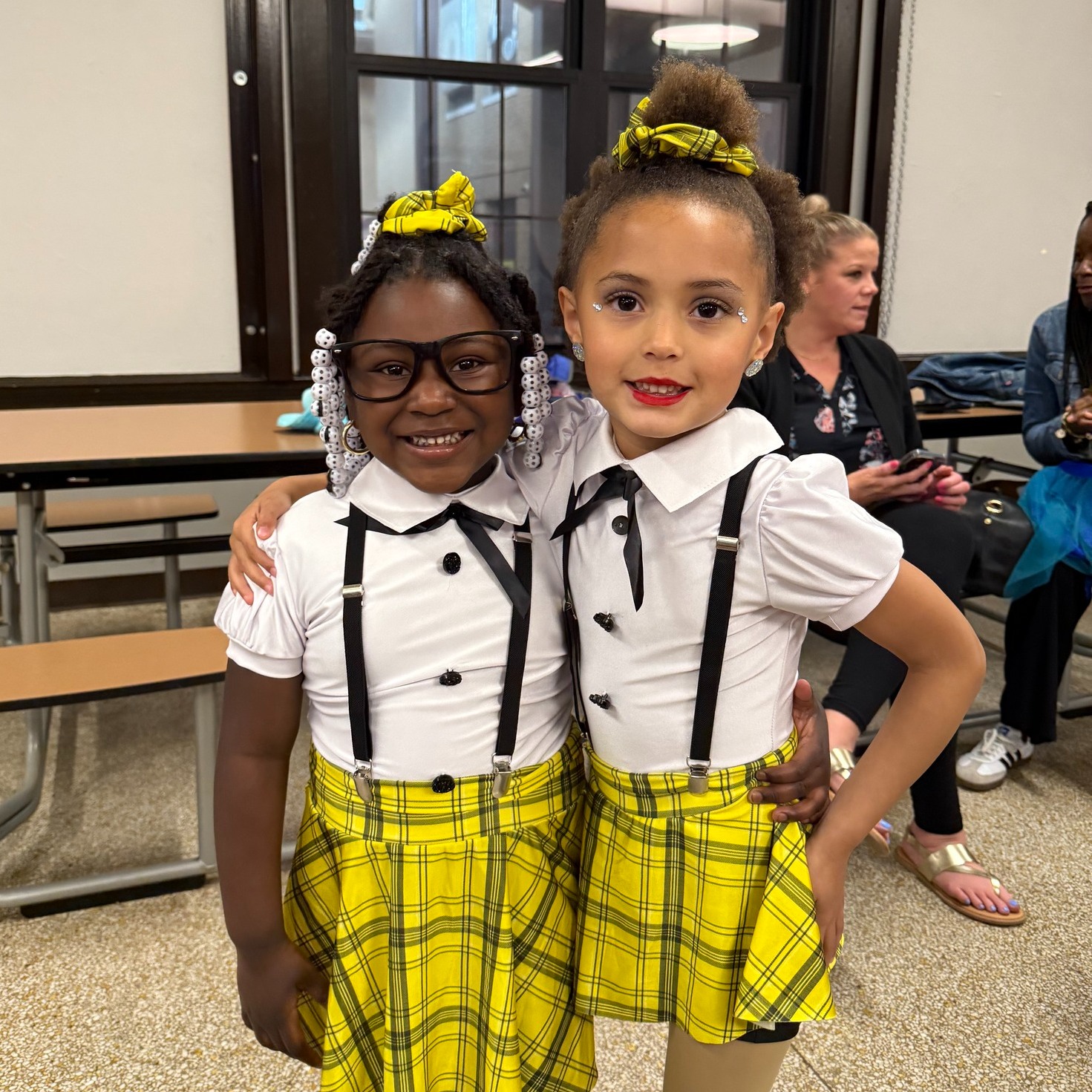
Ask a room full of kids to name a dance style and someone will always say jazz, but ask them what jazz actually is and the answers get vague. That is understandable. Jazz is one of the most versatile styles in dance, borrowing from ballet's precision, hip hop's energy, and musical theatre's showmanship, and it shows up everywhere from competition stages to music videos to Broadway.
At Dance Connection Rochester, jazz is one of the most popular classes we offer, and for good reason. It gives dancers strength, sharp technique, and something harder to teach: presence. This article explains what jazz really is, who it suits, and what it builds in a young dancer.
If you have searched "jazz dance classes Rochester NY" or "what is jazz dance for kids," here is what parents should know.
1. Jazz Is Built on Real Technique
Jazz can look loose and stylish, but underneath it is genuinely technical. Dancers work on turns, leaps, isolations, and controlled extensions, much of it borrowed from ballet vocabulary. That foundation is why jazz dancers tend to be strong across other styles too.
Many families are surprised to learn how much precision goes into movement that looks effortless on stage.
2. It Builds Serious Strength and Flexibility
A jazz class is a workout. Dancers hold extensions, launch into leaps, and repeat combinations until the movement is clean. Over a season, that builds core strength, leg power, and flexibility in a way that is genuinely athletic.
Parents often notice their jazz dancer getting visibly stronger and more capable over the course of the year.
3. Musicality Gets Sharper
Jazz choreography plays with rhythm in ways other styles do not always demand. Dancers learn to hit accents, hold suspensions, and syncopate against the beat rather than simply following it. That trains an ear for music that carries into every other style they take.
A dancer with strong jazz musicality tends to pick up choreography faster in hip hop, lyrical, and beyond.
4. Performance Quality Is Taught, Not Assumed
This is the part that makes jazz special. Jazz demands that a dancer perform, not just execute. Teachers work on eye focus, energy, and projection, coaching dancers to fill a stage rather than shrink on it. That is a teachable skill, and jazz is where most dancers learn it.
Stage presence built in jazz class shows up in every performance a dancer gives for the rest of their life.
5. It Suits a Huge Range of Personalities
Jazz is wide enough to fit almost anyone. A dancer who loves precision can chase clean technique. A dancer who loves to perform can lean into the showmanship. A dancer who loves athleticism can pursue big leaps and turns. Few styles accommodate that many temperaments.
If your child has not found their fit yet, jazz is often the style that finally clicks.
6. It Bridges Toward Other Styles
Jazz sits at a useful crossroads. Its ballet foundation supports ballet work, its rhythm supports tap, its energy supports hip hop, and its storytelling supports musical theatre. Dancers who take jazz tend to find every other class a little easier.
It is one of the best second styles a dancer can add, and a strong first style on its own.
Curious whether jazz is a good fit for your dancer? Contact Dance Connection Rochester and our staff will help you find the right class and level.
7. Confidence Comes With the Style
There is something about jazz that draws kids out. The music is upbeat, the movement is bold, and the choreography asks dancers to take up space. Shy dancers who would never volunteer for a solo often find themselves performing with real conviction after a season of jazz.
That growth in self-assurance is frequently the change parents comment on most.
8. It Is Genuinely Fun
Never underestimate this. Jazz classes are set to music kids actually like, the combinations feel current, and the atmosphere is energetic. Enjoyment is what keeps a dancer coming back long enough to get good, and jazz delivers it week after week.
A dancer who loves going to class will always outprogress one who is merely attending.
What a Jazz Class Usually Includes
Most jazz classes follow a recognizable shape:
- A thorough warm-up focused on strength and flexibility
- Isolations and body-part control work
- Across-the-floor turns, leaps, and traveling steps
- Technique drills built up week over week
- A choreographed combination set to current music
- Coaching on performance quality and stage presence
The mix of drill work and choreography is what makes the class both rigorous and enjoyable.
Is My Child Old Enough for Jazz?
This is the question we field most often, and the honest answer is that it depends less on age than on readiness. Very young children usually start with creative movement and pre-ballet, where the emphasis is on coordination, rhythm, and following directions. Those foundations matter, because jazz asks a dancer to control their body deliberately, and that control takes a few years to develop. Most dancers are ready for a true jazz class somewhere in the elementary years, though the right entry point varies from child to child.
What matters more than a birthday is whether your child can follow multi-step instructions, hold focus for a full class, and enjoy repeating something until it improves. If those are in place, jazz is likely to be a great fit. If they are not quite there yet, that is completely normal, and a year in a foundational class will make the eventual jump into jazz far more rewarding. Our staff sees hundreds of dancers a season and can usually tell within a class or two where a child belongs. Rather than guessing from an age chart, ask us. We would much rather place a dancer in the class where they will thrive than in the one that technically matches their grade level, and that placement conversation is one of the most valuable things we do for families.
Give Jazz a Try This Season
Jazz builds technique, strength, musicality, and the kind of stage presence that makes a dancer memorable. It is challenging enough to keep dancers growing and fun enough to keep them coming back.
Learn more on our jazz dance page, browse the current class schedule, or contact Dance Connection Rochester to talk through the right starting point. Jazz has a way of turning dancers into performers.
‹ Back
Recent Posts
-
-
Mid-Season Check-In: Signs Your Child Is Thriving in Dance Class
October 1, 2026
-
New to Dance This Year? A First-Season Survival Guide for Rochester Families
September 23, 2026
-
-

How Dance Helps Kids Build Routine and Focus During the School Year
September 11, 2026