

Blog
Mid-Season Check-In: Signs Your Child Is Thriving in Dance Class
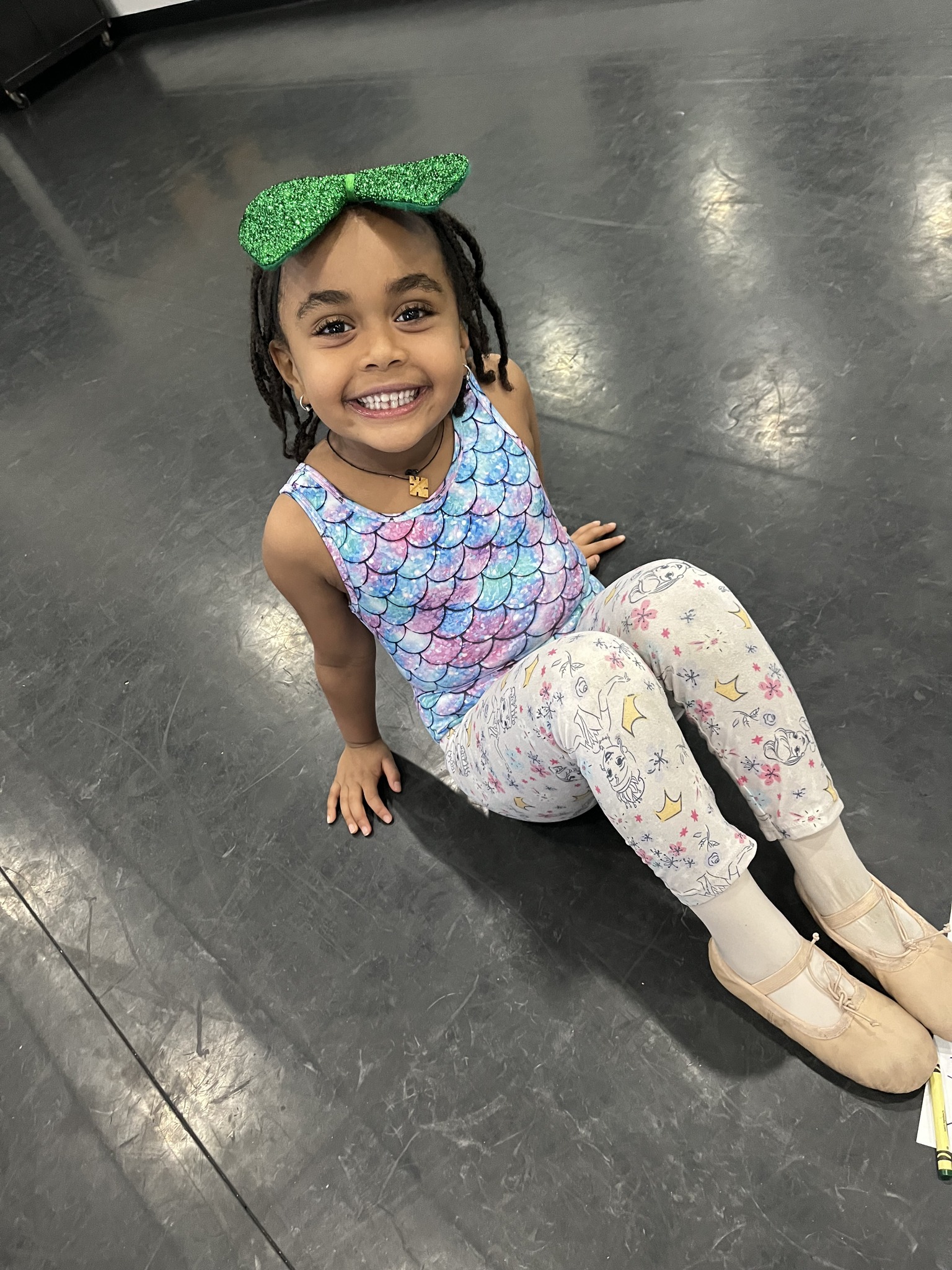
By the time October arrives, the newness of a dance season has worn off. The first-day nerves are gone, the routine is set, and your child has settled into their class. This is the moment when many parents start quietly wondering the same thing: is this actually going well? Is my child getting what they should be getting out of it?
At Dance Connection Rochester, we think a mid-season check-in is one of the most useful things a dance parent can do. Not to evaluate or grade your child, but to recognize the signs of real growth, which often look nothing like what parents expect.
If you have searched "is my child doing well in dance" or "signs my child likes dance class," here is what to actually look for.
1. They Talk About Class Without Being Asked
One of the clearest signs a child is thriving is unprompted conversation. They mention a new step at dinner, hum the music from class in the car, or tell you about something a classmate did. That kind of spontaneous sharing means dance has become part of their inner world, not just something on the calendar.
It does not have to be constant. Even occasional unprompted mentions are a strong indicator that your child is engaged.
2. They Are Comfortable in the Room
Compare drop-off in October to drop-off in September. A child who once clung to your leg now walks in on their own. A child who hovered at the back now stands in the middle of the group. That growing physical comfort in the space is a real, measurable sign of confidence taking root.
Comfort comes before skill for most children, and it is the foundation everything else is built on.
3. They Are Willing to Get Something Wrong
This one surprises parents, but it may be the single best indicator of a healthy class experience. A child who is thriving will try a step, mess it up, laugh, and try again. A child who is anxious will avoid trying at all. Watch for willingness to be imperfect, because that is where learning actually happens.
If your child is making mistakes cheerfully, they are in exactly the right place.
4. Small Physical Changes Are Adding Up
Progress in dance is rarely dramatic week to week, but it is very visible over a couple of months. You might notice better balance on the stairs, a straighter posture at the table, or a new ability to skip, gallop, or hop on one foot. These small physical shifts are dance quietly doing its work.
Look for changes in everyday movement rather than waiting for a big performance moment.
5. They Have Made a Connection With Someone
Ask your child who they stand next to in class, or who they talked to. A child who can name a classmate or who lights up about their teacher has found a social anchor in the room. Those relationships are a huge part of why kids stay with dance year after year.
Friendship in the studio is not a bonus. For many children, it is the main reason they keep showing up excited.
6. They Handle the Boring Parts
Every dance class has repetition: the same warm-up, the same eight counts practiced again and again. A child who can stay reasonably engaged through the less exciting parts is developing genuine focus and discipline. That patience is a skill, and it is one of dance's most valuable exports into school and life.
Tolerance for repetition is a sign of maturity, and it grows steadily over a season.
Not sure how your child is doing, or want a teacher's perspective? Contact Dance Connection Rochester and we are always glad to share what we are seeing in class.
7. Their Confidence Shows Up Outside the Studio
Dance confidence does not stay in the dance room. Parents often tell us their child started speaking up more at school, volunteered for something they would have avoided before, or simply seems to carry themselves differently. That transfer is one of the most rewarding things to watch.
When you notice courage in an unrelated setting, there is a good chance the studio helped build it.
8. They Want to Keep Going
The simplest test of all: when you mention next week's class, what happens? Enthusiasm, or even neutral acceptance, is a good sign. Consistent dread is worth a conversation. Most children land somewhere in the happy middle, and that is completely normal for a long season.
Wanting to continue is, in the end, the clearest evidence that dance is working for your child.
A Quick Mid-Season Checklist
If you want a simple way to take stock, look for these:
- They mention class without being prompted
- Drop-off has gotten easier since September
- They try things even when they might get them wrong
- You notice better balance, posture, or coordination at home
- They can name a friend or talk about their teacher
- They stay engaged through repetition
- They are willing, or eager, to go back next week
If most of those ring true, your child is doing beautifully, regardless of how polished their technique looks.
What If Some of These Are Missing?
Here is the part no one says often enough: a mid-season check-in that turns up a few gaps is not a failure. It is information, and it usually points to something small and fixable. A child who is still hesitant at drop-off may simply need a few more weeks, or may be in a class that is slightly too advanced or too easy for where they are. A child who has not connected with a classmate may just be shy in a group that already knew each other. None of these mean dance is wrong for your child.
The most useful thing you can do is talk to us. Our teachers see your child every week in a setting you do not, and they can tell you whether what you are noticing at home matches what happens in class. Often the answer is reassuring: the quiet child at drop-off is animated ten minutes into class, or the one who says they cannot do anything is actually one of the strongest in the group. When there is a real issue, we would much rather hear about it in October than in April. A small adjustment now, a different class time, a word of encouragement from a teacher, a conversation about expectations, can turn the rest of the season around. That is exactly what a check-in is for.
Enjoy the Rest of the Season
A dance season is long, and the middle is where the real growth quietly happens. Your child is building coordination, confidence, focus, and friendships, often in ways that will not be obvious until you look back in the spring.
If you have questions about your child's class, want to explore adding a style, or are curious about what comes next, take a look at our fall classes, read through the FAQ page, or contact Dance Connection Rochester any time. We love talking about how our dancers are growing.
‹ Back
Recent Posts
-
Mid-Season Check-In: Signs Your Child Is Thriving in Dance Class
October 1, 2026
-
New to Dance This Year? A First-Season Survival Guide for Rochester Families
September 23, 2026
-
-

How Dance Helps Kids Build Routine and Focus During the School Year
September 11, 2026
-