


Blog
Pre-Ballet and Creative Movement: Building the Foundation for Young Rochester Dancers
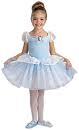
Watch a group of preschoolers move to music and you will see something wonderful: total, uninhibited joy. At that age, dance is not about perfect technique. It is about discovery, imagination, and the pure delight of moving. That is exactly what pre-ballet and creative movement classes are designed to nurture, and they lay a foundation that lasts a lifetime.
At Dance Connection Rochester, our youngest dancers begin with pre-ballet and creative movement, the gentle, playful building blocks that prepare them for everything dance has to offer. This article explains what these classes are, why they matter, and how they set young Rochester dancers up for success.
If you have searched "pre-ballet classes Rochester NY" or "creative movement for preschoolers," here is what every parent should know.
1. What Pre-Ballet Really Means
Pre-ballet introduces the very basics of ballet in a way that suits young children. Rather than formal technique, it focuses on playful explorations of posture, pointing toes, simple positions, and moving with intention. Kids learn to stand tall, balance, and carry themselves with a little grace, all through games and imagination.
It is the foundation of ballet presented in a way that feels like play, which is exactly what young children need.
2. Creative Movement Lets Imagination Lead
Creative movement is where young dancers interpret music in their own way. Are they a floating butterfly? A stomping elephant? A swirling snowflake? There is no wrong answer, and that freedom builds confidence, expression, and creative thinking.
This imaginative play is not just fun. It develops the kind of creativity and self-expression that benefits kids in school and life for years to come.
3. Building Motor Skills Through Play
Between ages 3 and 5, children develop foundational motor skills rapidly, and structured movement accelerates that growth. Pre-ballet and creative movement build both gross motor skills, like jumping and traveling, and fine motor control, like pointing toes and balancing.
All of this happens through games and music, so kids are building real physical foundations while simply having fun.
4. Learning to Follow Structure
For many young children, a dance class is an early experience of structure outside the home. They learn to listen to a teacher, follow directions, wait their turn, and move as part of a group. These are big developmental steps, and dance teaches them gently.
Those skills carry directly into preschool and kindergarten, giving kids a head start on classroom readiness.
5. Rhythm and Musicality Take Root
Early exposure to rhythm and music is neurologically powerful. Moving to a beat helps young children develop listening skills, pattern recognition, and timing. Pre-ballet and creative movement weave music into everything, planting the seeds of musicality that every future dance style builds on.
A child who develops rhythm early has an advantage in dance and well beyond it.
6. Confidence Grows From the Start
There is something powerful about a young child realizing they can try something new, follow along, and succeed. Pre-ballet and creative movement build that early confidence in a supportive, pressure-free setting. Kids learn that effort and participation feel good.
That early confidence becomes a foundation they carry into every new challenge they face.
Curious whether your little one is ready to start? Contact Dance Connection Rochester and we will help you find the perfect first class for your child's age.
7. A Gentle On-Ramp to Future Classes
Pre-ballet and creative movement are the perfect bridge into more structured dance. Children who start here become comfortable with the studio, familiar with class formats, and excited about dance. When they move up to our Ages 4 to 5 program and beyond, the transition is seamless.
That early familiarity makes every step of their dance journey easier and more joyful.
8. Social Skills in a Group Setting
These classes are often a child's first real experience moving alongside other kids. They learn to share space, take turns, encourage classmates, and cooperate, all essential social skills. And they do it while having fun, which is the best way for young children to learn anything.
The friendships and social confidence built here are just as valuable as the movement itself.
What a Typical Class Looks Like
Young dancers thrive on predictable structure, so most classes follow a comforting rhythm:
- A welcome circle and name songs
- A playful warm-up to upbeat music
- Basic pre-ballet positions and movements
- Creative movement and imaginative play
- Props, rhythm instruments, and group songs
- A gentle goodbye routine to end class
That repetition helps young children feel secure enough to try new things each week.
How Parents Can Encourage Movement at Home
The classes do the heavy lifting, but the growth really takes off when movement continues at home. The good news is that supporting your little dancer requires no special equipment or training, just a bit of playful encouragement. Putting on music and dancing together is one of the simplest and most powerful things you can do, and it doubles as quality bonding time.
A few easy ideas keep the momentum going between classes:
- Play music during everyday routines and dance together
- Repeat songs from class so the words and rhythms sink in
- Encourage barefoot play to build foot strength and balance
- Set up gentle obstacle courses in the living room
- Praise effort and creativity rather than perfection
The goal is not to drill technique but to keep movement joyful and frequent. When dance feels like a natural, happy part of home life, young children absorb the skills almost effortlessly. They also come to class more comfortable and confident, ready to build on what they have been exploring at home. A song, an open space, and an enthusiastic grown-up are truly all it takes to reinforce everything those early classes are teaching.
Give Your Child a Joyful Beginning
Pre-ballet and creative movement are where a love of dance begins. They build coordination, confidence, rhythm, and creativity, all through play, and they prepare your child for a lifetime of joyful movement.
Learn more about our youngest dancers' programs by exploring our Ages 4 to 5 page, browse the fall classes, or contact Dance Connection Rochester to get started. The right time to plant the seeds of a love of dance is now.
‹ Back
Recent Posts
-
-

How Dance Helps Kids Build Routine and Focus During the School Year
September 11, 2026
-
-
-
A Parent's Guide to Dance Attire and Shoes for the New Season
August 24, 2026