


Blog
African Dance Classes for Kids, Teens, and Adults: Rhythm, Energy, and Cultural Appreciation
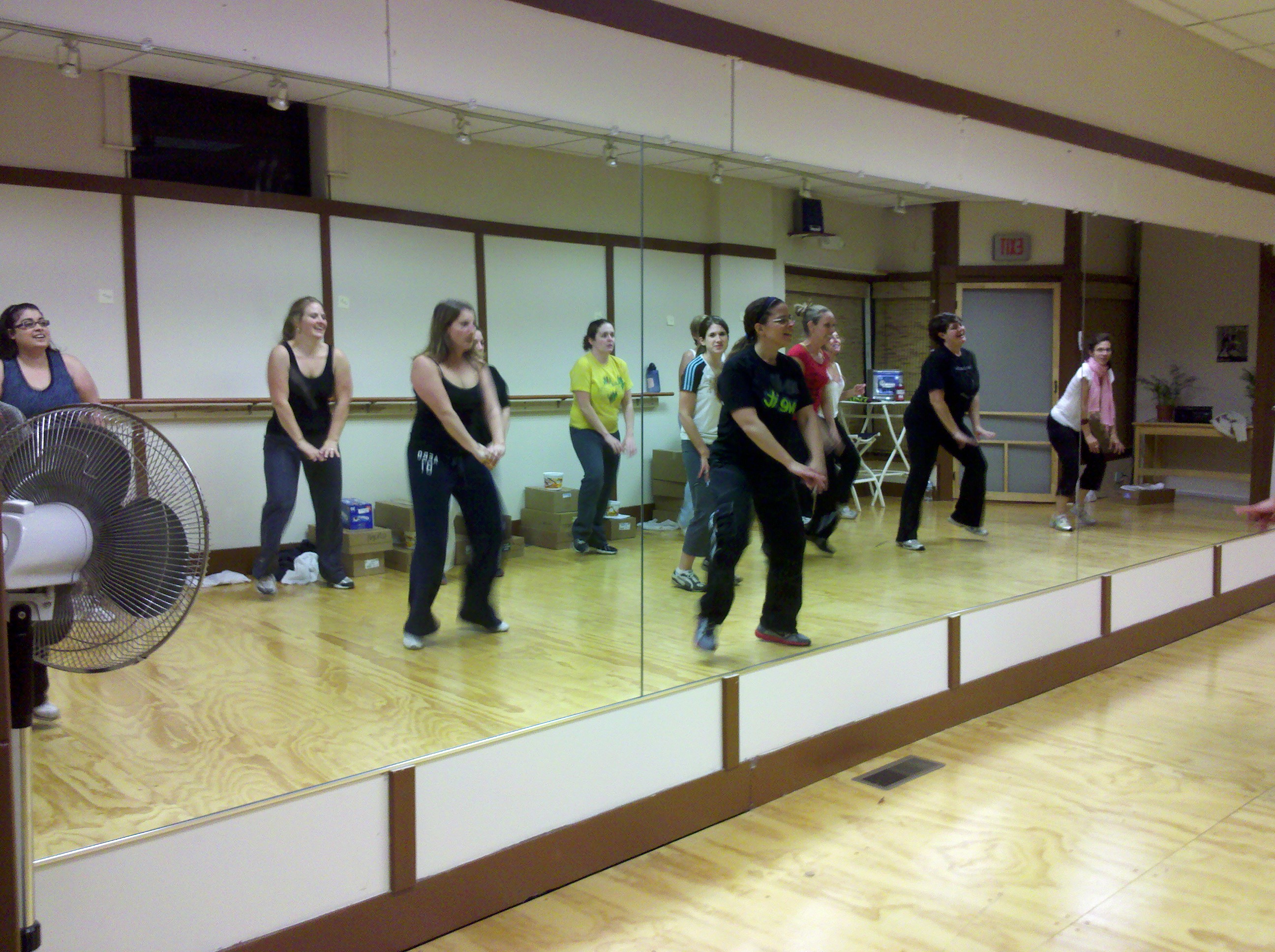
Put on a song with a strong drum rhythm and watch what happens in a room full of people. Feet start tapping, shoulders start moving, and even the people who swear they cannot dance find themselves swaying a little. Rhythm is something almost everyone feels in their body, and African dance is built around that feeling.
At Dance Connection Rochester, African dance is one of the most energetic and joyful classes we offer, and it is available for kids starting at age seven, for preteens and teens, and for adults. This article covers what African dance is, what it builds in a dancer, and why it is such a rewarding class for students of every age.
If you have searched "African dance classes Rochester NY" or "African dance for kids near me," here is what you should know before you try a class.
1. African Dance Is Many Traditions, Not One
Africa is an enormous continent with many countries, cultures, and languages, and its dance traditions are just as varied. Dances have long been part of celebrations, community gatherings, storytelling, and everyday life. When we talk about "African dance" in a studio setting, we are talking about a style inspired by these traditions, with a shared emphasis on rhythm, community, and full-body movement.
Part of learning African dance is learning to appreciate that richness and the people and cultures behind it.
2. Rhythm Is at the Heart of Everything
In many styles, dancers move to music. In African dance, the connection between movement and rhythm is especially close. Dancers learn to hear the beat, feel it, and let it drive every step. Over time, they develop a strong internal sense of timing that helps in every other style they take.
A dancer who learns to feel rhythm deeply will hear music differently for the rest of their life.
3. It Is a True Total-Body Workout
African dance uses the whole body at once. Feet stay grounded and active, knees stay bent and springy, the torso moves freely, and the arms are full of energy. Many movements are low to the ground and powerful, which builds leg strength, core strength, and serious stamina.
Students often leave class tired, sweaty, and smiling, which is exactly how it should feel.
4. Grounded Movement Balances Other Styles
Ballet trains dancers to lift up, stay light, and reach toward the ceiling. African dance often does the opposite, asking dancers to sink into the floor with bent knees and a strong connection to the ground. Learning both gives a dancer a much wider range of movement and a better understanding of how weight and energy work in the body.
Many of our dancers find that African dance makes them more versatile in every class they take.
5. It Builds Confidence Through Energy
There is something freeing about a class where big, bold movement is not just allowed but expected. Shy kids often surprise themselves in African dance, because the energy of the group carries them along. There is less focus on looking perfect and more focus on moving fully and joyfully with everyone else.
That kind of confidence tends to follow a child out of the studio and into other parts of life.
Curious whether African dance would be a good fit for your child or for you? Contact Dance Connection Rochester and we will help you find the right class.
6. Community Is Part of the Style
Many African dance traditions are deeply communal. Dances are often shared, with movement passed between dancers and the group responding to one another. In class, that spirit shows up as a strong sense of togetherness. Dancers learn to listen, respond, and support each other rather than simply focus on themselves.
It is a lovely reminder that dance is something people have always done together.
7. Cultural Appreciation Opens Young Minds
Learning a dance style that comes from cultures different from your own is a meaningful way to build curiosity and respect. Kids begin to understand that movement, music, and celebration look different around the world, and that every tradition has its own history and value. These are conversations families can continue at home through music, books, and food.
Dance can be a doorway to a much bigger understanding of the world.
8. There Is a Class for Every Stage
At Dance Connection, African dance is offered for dancers age seven and up, for preteens and teens, and for adults. Younger dancers focus on rhythm, coordination, and the joy of moving big. Teens take on more complex combinations and build real stamina. Adults find a workout that feels nothing like a workout, along with a welcoming group to share it with.
You can see the full range of styles and age groups on our class information page.
What African Dance Builds
These are some of the benefits we see most often in our African dance students:
- A strong, natural sense of rhythm and timing
- Leg strength from grounded, bent-knee movement
- Core strength and a more flexible, responsive torso
- Cardiovascular stamina from high-energy combinations
- Coordination between feet, hips, torso, and arms
- Confidence to move boldly in front of others
- Respect and curiosity about other cultures
- A real sense of belonging in a group
Few classes combine physical and cultural benefits so naturally.
African dance also pairs well with other classes. Tap dancers often find that African dance deepens their sense of rhythm, and hip hop dancers enjoy the grounded, energetic movement. Ballet dancers gain a freedom in the torso and hips that classical training does not always develop.
Why Joy Comes First in This Class
Our philosophy at Dance Connection has always been that dance should be about the love of dancing, not trophies or scores. African dance may be the clearest example of that idea in our whole studio. Across many traditions, dance has been a way to celebrate, connect, and express what words cannot. It was never meant to be about getting every step perfectly right. When students walk into an African dance class, they are invited into that spirit. The goal is to feel the rhythm, move with energy, and enjoy being part of something bigger than yourself.
That does not mean the class lacks substance. There is real technique to learn: how to stay grounded, how to move different parts of the body independently, how to stay on the beat during a fast combination, and how to keep going when your legs are tired. Those skills take time and effort to build. But the effort feels different when it comes from enjoyment rather than pressure. Parents often tell us that their child talks about African dance in a different way than other activities, with a kind of excitement that is hard to manufacture. For adults, especially those who have never danced before, it is one of the most welcoming ways to start, because nobody is expected to look like a professional on day one.
Feel the Rhythm
African dance is energetic, grounded, joyful, and full of meaning. It builds strength, rhythm, and confidence, and it gives dancers of every age a deeper appreciation for the cultures that inspire it.
Learn more about our African dance classes, explore our adult dance classes, or contact Dance Connection Rochester with any questions. We would love to see you on the dance floor.
‹ Back
Recent Posts
-
Healthy Body Image and Self-Confidence in Young Dancers
November 26, 2026
-
-
-
Helping a Shy Child Feel Comfortable in Dance Class
November 21, 2026
-
Giving Back Through Dance: How Our Studio Family Supports Rochester
November 19, 2026