


Blog
Healthy Body Image and Self-Confidence in Young Dancers
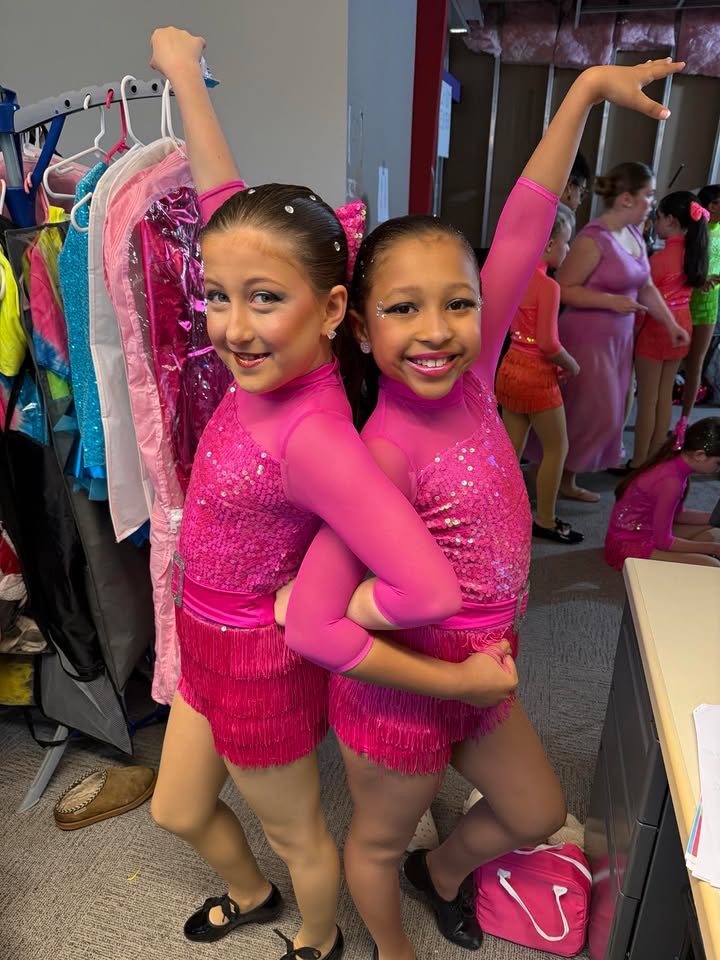
Dance studios have mirrors on the walls for good reasons. Dancers use them to check alignment, see spacing, and learn how a movement looks from the outside. But a mirror can also become the place where a young dancer starts comparing, criticizing, and wondering whether they look "right." Many parents worry about this, especially as their children approach the preteen years.
At Dance Connection Rochester, we believe dance should build children up. Since 1987 our philosophy has been simple: dance is about the love of dance, and dancers should be able to show their skills without the pressure of being perfect. This article covers how body image and self-confidence develop in young dancers, and what parents and studios can do to protect both.
If you have searched "healthy body image for young dancers" or "building confidence in kids through dance Rochester NY," here is what we have learned.
1. The Mirror Is a Tool, Not a Judge
We teach dancers that the mirror is there to check things like a straight supporting leg, level shoulders, or whether a line matches the music. It is a tool for technique, the same way a ruler is a tool for drawing a line. It is not there to decide whether a body is good enough.
When dancers learn to use the mirror for information instead of judgment, it becomes far less loaded.
2. Every Body Can Dance
Dancers come in every height, shape, and build, and every style has room for all of them. A dancer's strength, musicality, expression, and joy are what make a performance memorable. Our classes celebrate what bodies can do, not what they look like, and that message matters most when children are hearing very different ones elsewhere.
Children need to hear clearly, and often, that their body is welcome in the studio exactly as it is.
3. Comparison Is Natural, But It Can Be Redirected
Children in a room full of mirrors will compare themselves. That is human. The key is what they do with it. Teachers can shift the focus from "she is better than me" to "what can I learn from how she does that turn?" Comparing to your own past self, last month or last year, is the most useful comparison of all.
Comparison becomes healthy when it turns into curiosity rather than criticism.
4. Language at Home Matters Enormously
Children absorb how adults talk about bodies, including their own. Comments about dieting, "bad" foods, or a parent's dislike of their own appearance are heard and remembered, even when they are not directed at a child. Simple shifts help. Talk about food as fuel for dancing, and talk about bodies in terms of strength, energy, and what they can do.
The most protective thing you can model is a kind, neutral relationship with your own body.
5. Praise Effort and Character, Not Appearance
"You look so pretty" is meant kindly, but it puts the focus on appearance. Try "You worked so hard on that combination," "You looked like you were having so much fun," or "I could tell you really listened to the music." These comments point to things a dancer controls, which builds confidence that lasts.
Confidence grows from effort that is noticed, not from looks that are approved.
Have a concern about how your dancer is feeling about themselves? Contact Dance Connection Rochester and we will talk with you about how we can support them in class.
6. Growth Spurts Can Shake Confidence
When a dancer grows quickly, their balance, coordination, and flexibility can change temporarily. A preteen who suddenly feels clumsy may blame their body. Reassure them that this is normal and temporary, and that their technique will catch up. Our teachers expect these phases and adjust their expectations accordingly.
A dancer who understands what is happening is far less likely to turn it into self-criticism.
7. A Supportive Studio Culture Protects Dancers
The atmosphere of a studio shapes how dancers feel about themselves. In our classes, corrections are about technique, never about bodies. Dancers are encouraged to cheer for each other, mistakes are treated as part of learning, and the focus stays on growth and enjoyment rather than perfection.
Children thrive in rooms where they feel safe to try, miss, and try again.
8. Know the Signs That Need Attention
Most dancers have the occasional insecure day, and that is normal. But persistent negative talk about their body, skipping meals, sudden changes in eating, avoiding the mirror entirely, or wanting to quit because of how they look are worth taking seriously. Talk with your child, let us know, and reach out to your pediatrician or a qualified professional if you are worried.
Early, caring conversations make a real difference.
Everyday Habits That Build Confident Dancers
Small choices at home and in the studio add up:
- Talk about what bodies can do, not how they look
- Describe food as energy for dancing, not as good or bad
- Praise effort, listening, creativity, and kindness
- Encourage your dancer to compare with their past self
- Avoid commenting on other people's bodies, including your own
- Choose comfortable, appropriate dancewear that fits well
- Celebrate progress, however small
- Keep the focus on joy, friendships, and the music
None of this requires a perfect script. It just requires consistency and warmth over time.
It also helps to give dancers more than one way to feel successful. A child who may not have the highest kick in the room may have wonderful rhythm in tap, a gift for expression in lyrical, or a creative mind that shines when they choreograph their own dance. Trying different styles lets dancers discover their own strengths, which is one of the best confidence builders there is.
Why Dance Can Be One of the Best Confidence Builders
For all the worry about mirrors and comparison, dance done well is one of the most powerful confidence builders a child can experience. A dancer learns that hard things become possible with practice. They feel their body get stronger and more capable each season. They learn to stand tall, take up space, and perform in front of others. Those lessons do not stay in the studio. They show up in classrooms, in friendships, and in the way a young person carries themselves through the world. When we say "we teach more than just dance," this is a big part of what we mean.
That kind of confidence is easiest to build in an environment that values the dancer over the result. Our annual recital and our Dancing for a Cause benefit shows give dancers a chance to perform for an audience, and the goal of those moments is sharing something they love, not proving they are the best. Parents are the other half of the picture. When home and studio send the same message, that every dancer is worthy, that effort matters, and that bodies are for moving and enjoying, children hear it clearly. Over time, many of them begin to say it to themselves, and that inner voice is something they will carry long after their dancing years.
Confidence That Lasts
Healthy body image is not built in a single conversation. It grows from many small moments of kindness, encouragement, and joy, both at home and in the studio.
Learn more about our studio philosophy, read what families say on our testimonials page, or contact Dance Connection Rochester to talk about the right class for your dancer.
‹ Back
Recent Posts
-
Healthy Body Image and Self-Confidence in Young Dancers
November 26, 2026
-
-
-
Helping a Shy Child Feel Comfortable in Dance Class
November 21, 2026
-
Giving Back Through Dance: How Our Studio Family Supports Rochester
November 19, 2026