


Blog
Helping a Shy Child Feel Comfortable in Dance Class
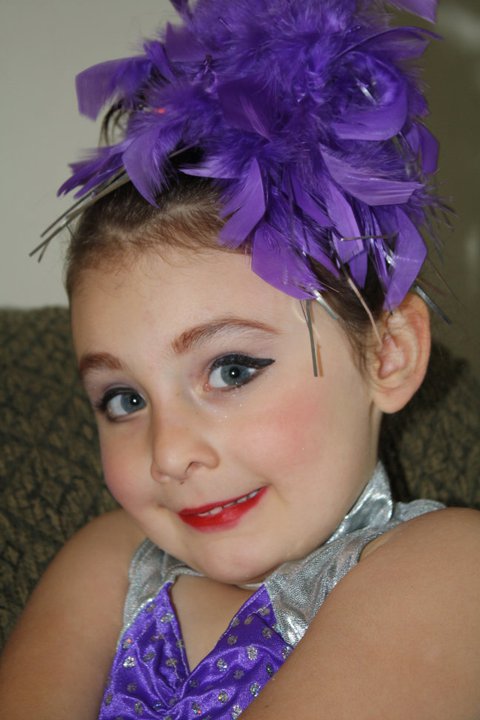
Some children run into the studio, kick off their shoes, and join the circle before their parents have found a seat. Others hold on to a leg, hide behind a coat, and watch the room with wide, careful eyes. If your child is the second kind, you may be wondering whether dance is the right fit at all. In our experience, it very often is. Shy children simply take a different road to the same place.
At Dance Connection Rochester, we have welcomed countless quiet, cautious, and nervous little dancers since Denise opened our first one-room studio in 1987, and many of them are now some of the most joyful performers we know. This article covers what is normal for a shy child, how our teachers help, and what parents can do at home to make each week a little easier.
If you have searched "how to help a shy child in dance class" or "my child cries at dance class Rochester NY," here is what we want you to know.
1. Shyness Is a Temperament, Not a Problem
Many shy children are thoughtful observers. They want to understand a new place before they step into it, and that is a sensible way to approach the world. A child who watches first is not failing at dance. They are gathering information, learning the routine, and deciding the room is safe.
When we treat shyness as a personality trait instead of something to fix, children relax, and relaxed children join in sooner.
2. Observing First Is Completely Normal
Some young dancers need to sit at the edge of the room for a class or two before they are ready to participate. We expect this, and we do not rush it. Even while sitting, a child is learning the songs, the warm-up, and the faces of the teacher and classmates. Often a child who "did nothing" in class will perform the whole warm-up in the living room that night.
Watching counts. It is the first step, not a wasted week.
3. Tears in the First Month Are Expected
For our youngest dancers, crying is common, especially during the first month. A new room, new adults, and a new routine are a lot for a toddler or preschooler to take in. Tears at drop-off usually say more about the transition than about the class itself, and most children settle within minutes of the music starting.
A few teary weeks do not mean dance is a mistake. They mean your child is adjusting, exactly as expected.
4. Keep Goodbyes Short, Warm, and Predictable
Parents are welcome to stay or to leave, and either choice is fine. What helps most is consistency. If you leave, give a quick hug, say a cheerful "I will be right here when class is over," and go. Lingering, returning for one more hug, or slipping out without saying goodbye can all make the next week harder.
A simple, repeatable goodbye ritual tells a child that this is safe, normal, and temporary.
5. Small Steps Are Real Progress
Progress for a shy child may look like standing in line instead of sitting, holding the teacher's hand during a song, or doing the march but not the hop. These are genuine wins. Children build confidence in layers, and each small success makes the next one possible.
Celebrate the step your child actually took, not the one you hoped they would take.
Is your little one having a hard time settling in? Contact Dance Connection Rochester and we will talk with you about what we are seeing and how we can help together.
6. Our Teachers Meet Children Where They Are
Our teachers are used to cautious dancers. They might invite a hesitant child to be a helper, offer a prop to hold, or simply smile and include them from a distance without putting them on the spot. Staff also help little ones with shoe changes, which removes one more small stress from the start of class. Nobody is forced to the center of the room.
Gentle invitations work far better than pressure, and our teachers know how to offer them.
7. Structure and Routine Are Your Allies
Shy children feel safer when they know what is coming. Our early childhood classes follow a familiar rhythm, with warm-ups, songs, props, and rhythm instruments that repeat from week to week. Once a child can predict what happens next, the room stops feeling new and starts feeling like theirs.
Coming every week, on time, helps a cautious child settle faster than anything else.
8. Talk About Dance in a Low-Pressure Way
At home, avoid questions that feel like a test, such as "Did you dance today?" Try open, easy prompts like "What song did you hear?" or "Show me your favorite move." Let your child share on their own terms, and resist comparing them to a sibling or a classmate who jumped right in.
The goal is for dance to feel like something they own, not something they are being graded on.
Simple Ways to Help a Shy Dancer at Home
A few habits that make a real difference:
- Visit or drive past the studio before the first class so it feels familiar
- Play the kind of music used in class and dance together in the kitchen
- Let your child pick out their dance bag and help pack it
- Read or make up stories about a brave little dancer
- Arrive a few minutes early so the room is calm, not crowded
- Use the same short goodbye every single week
- Praise effort and courage rather than performance
- Keep going, even after a hard week
None of these is magic on its own, but together they tell your child that dance is a safe, happy part of their week.
Why Dance Is Such a Good Fit for Quiet Children
It may seem surprising, but dance is one of the best activities a shy child can try. Much of class happens without talking. Children can express themselves through movement and music long before they are ready to raise their hand or speak up in a group. Our Tiny Tots and early childhood classes are built around creative movement, fun songs, early rhythm, and social skills, which means a child can practice being part of a group in a gentle, playful way. We often watch a child who once clung to the doorway become the one who shows classmates the steps.
Our studio philosophy matters here too. From the beginning, Dance Connection has been about the love of dance, not about being perfect. That matters enormously to a sensitive child who is afraid of getting it wrong. In our classes, a wobbly balance or a step in the wrong direction is simply part of learning, and teachers treat it that way. When children understand that mistakes are safe, they become braver. Eventually, many of our once-shy dancers step onto the stage at the annual recital. That courage was built one small step at a time, in an ordinary class, on an ordinary weeknight.
Give It Time
Shy children often bloom slowly, and then all at once. With patience, consistency, and a warm room, most cautious dancers find their footing and discover how much they love to move.
Explore our Tiny Tots dance and music classes, read answers to common questions on our FAQ page, or contact Dance Connection Rochester to talk about the right first class for your child.
‹ Back
Recent Posts
-
Healthy Body Image and Self-Confidence in Young Dancers
November 26, 2026
-
-
-
Helping a Shy Child Feel Comfortable in Dance Class
November 21, 2026
-
Giving Back Through Dance: How Our Studio Family Supports Rochester
November 19, 2026