


Blog
Watching From the Observation Windows: How to Be a Supportive Dance Parent
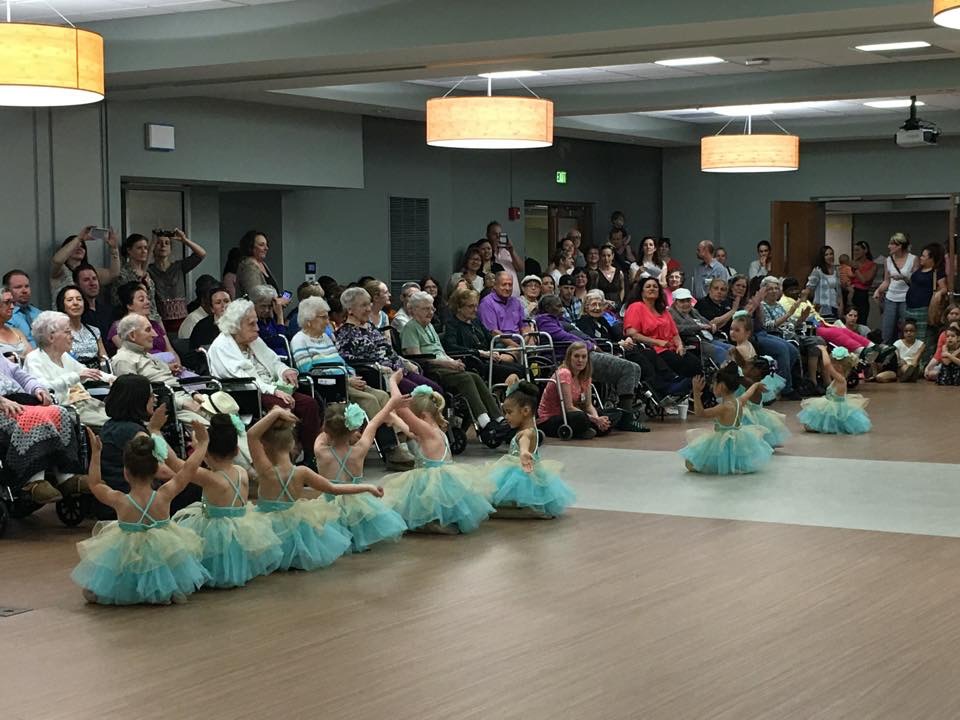
There is something special about watching your child dance through a window. You can see the concentration on their face, the moment a new step finally clicks, and the little glance toward the glass to check whether you saw it. For many families, those few minutes in the lobby become a favorite part of the week. They can also raise questions. What should you be watching for? Is it all right to wave? What do you say in the car afterward?
At Dance Connection Rochester, we designed our new studio in 2021 with observation windows in our three larger studios and larger lobbies so families have room to watch, wait, and socialize. This article covers how to get the most out of observation time and how to be the kind of lobby parent who quietly helps a dancer grow.
If you have searched "how to be a supportive dance parent" or "watching dance class from the lobby Rochester NY," here is our practical guide.
1. Watch the Whole Class, Not Just Your Child
It is natural to keep your eyes on one dancer, but stepping back to watch the whole room tells you a lot. You will see how the teacher structures class, how the warm-up builds into combinations, and how every dancer, not only yours, is working through the same challenges.
Seeing the bigger picture helps you understand that wobbles and missed counts are part of everyone's learning.
2. Notice Effort, Focus, and Joy
The most meaningful things to notice are not perfect turns. Look for your dancer listening closely, trying a step again after missing it, smiling during a favorite song, or helping a classmate find their spot. These are the qualities that keep a dancer improving for years.
If you only remember one thing from observing, make it something your child did with effort or heart.
3. Keep Signals Through the Glass to a Minimum
A quick smile when your dancer looks over is lovely. Constant waving, thumbs up, mouthing corrections, or gesturing "point your toes" is distracting, both for your child and for the dancers around them. It can also pull a dancer's attention away from the teacher at exactly the moment they need to listen.
The kindest thing you can do from the lobby is let your dancer belong to the class for that hour.
4. Let the Teacher Do the Teaching
You may spot something you think your child is doing wrong. Resist the urge to coach. Our teachers sequence corrections deliberately, and sometimes they are intentionally letting a dancer work something out. A parent correction on top of a teacher correction can feel like pressure, and it can be confusing if the advice differs.
If you have a real concern, bring it to us directly, and we will gladly talk it through.
5. Keep the Lobby Calm and Kind
The lobby is a shared space for many families, younger siblings, and dancers coming and going. Keeping voices low near the windows, keeping phones on silent, and keeping an eye on little ones helps everyone. It also matters what is said. Comments about other children, their bodies, or their abilities can be overheard, including by dancers waiting for the next class.
A good rule: only say about another dancer what you would be happy for their parent to hear.
Have a question about your dancer's progress or class placement? Contact Dance Connection Rochester and we will be glad to talk with you.
6. Avoid Comparing Dancers
From the lobby, it is easy to notice who kicks highest or picks up choreography fastest. Children develop at different rates, and a dancer who looks behind this month may leap ahead next season. Comparison rarely helps your child, and it can quietly teach them that dance is about ranking rather than growing.
Measure your dancer against where they were last month, not against the child next to them.
7. Know That Some Dancers Do Better Unwatched
Some children love an audience. Others get self-conscious knowing a parent is right there. If your dancer seems distracted or keeps looking toward the window, try stepping away, chatting with another family, or running an errand during part of class. Parents can stay or leave, and either is fine.
Following your child's lead here is a simple way to show respect for their experience.
8. Make the Car Ride Home a Safe Space
What you say after class shapes how your child feels about dance. Start with open questions like "What was your favorite part?" or "What did you learn today?" Share something specific and positive you noticed. Save technical feedback for the teacher, and give your dancer room to talk about frustrations without jumping in to fix them.
When the conversation is warm, children look forward to telling you about class.
Phrases That Help After Class
A few simple things to say on the way home:
- "I loved watching you dance."
- "You kept trying that turn. That took real determination."
- "What was the most fun part today?"
- "Can you teach me the new step when we get home?"
- "You looked like you were really listening to your teacher."
- "It is okay that it felt hard. That is how new things feel."
- "I am proud of how hard you worked."
Notice that none of these are about being the best. They are about effort, enjoyment, and connection.
It also helps to be thoughtful about what to avoid. Phrases like "Why can't you do it like her?", "You looked bored," or a detailed list of everything that went wrong tend to drain the fun out of dance, even when they are meant helpfully. A dancer who feels evaluated on every ride home may start to dread being watched.
Why Your Role in the Lobby Matters So Much
Children are remarkably sensitive to what their parents value. If the questions after class are always about mistakes, they learn that dance is a performance for you. If the questions are about what they enjoyed and what they tried, they learn that dance is something that belongs to them. That difference shapes whether a dancer keeps going through the challenging stretches that every dancer eventually meets, such as a hard combination, a new level, or a growth spurt that makes everything feel awkward for a while. Kids who feel supported rather than judged tend to stay curious and resilient through those moments.
This fits closely with our studio philosophy. Since 1987, Dance Connection has believed that dance should be about the love of dance, not trophies and scores, and that dancers should be able to show their skills without the pressure of being perfect. Parents in the lobby are a big part of protecting that atmosphere. We built bigger lobbies on purpose, so families could get to know each other while their children dance. Over the years, we have seen friendships form in the lobby that last well beyond a single season, and those relationships make the whole studio feel like a community. When parents cheer for every dancer, not just their own, children feel it on the other side of the glass.
Enjoy the View
Observation time is a gift. Use it to notice growth, enjoy your dancer's joy, and get to know the families around you, and let the teachers handle the corrections.
Take a look at our studio facility, learn more about Dance Connection, or contact Dance Connection Rochester with any questions about observing class.
‹ Back
Recent Posts
-
Healthy Body Image and Self-Confidence in Young Dancers
November 26, 2026
-
-
-
Helping a Shy Child Feel Comfortable in Dance Class
November 21, 2026
-
Giving Back Through Dance: How Our Studio Family Supports Rochester
November 19, 2026