


Blog
Dance and Teen Mental Health: Why a Creative, Supportive Outlet Matters
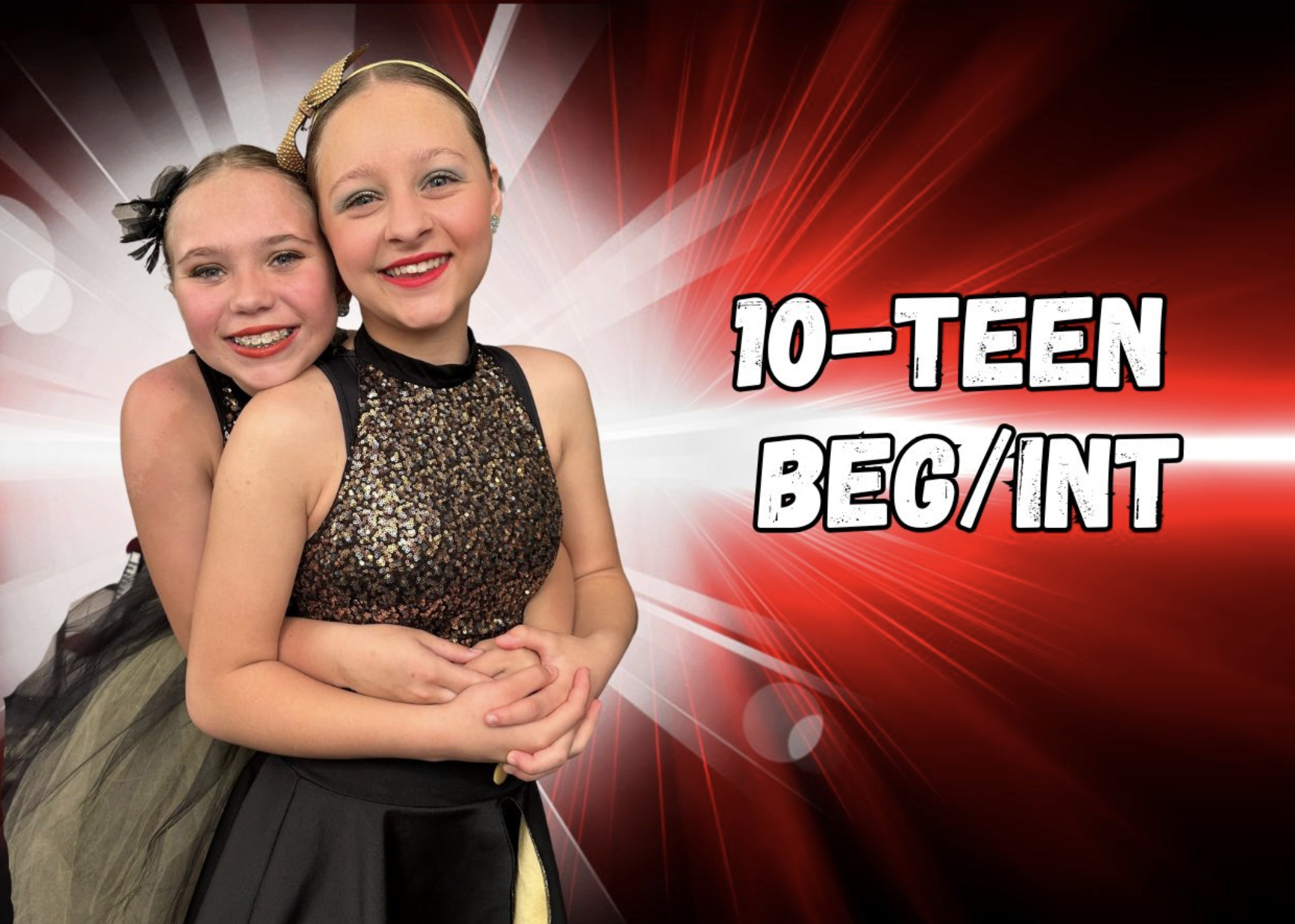
The teenage years can be a lot. School gets harder, social life gets more complicated, phones never stop buzzing, and there is a constant sense of being measured, whether by grades, by peers, or by the number of likes on a post. Many parents notice their teen carrying more stress than they did a few years earlier and wonder what might help.
At Dance Connection Rochester, we have watched teens walk into the studio tense and walk out lighter for nearly four decades. Dance is not a cure for anything, but it can be a genuinely healthy part of a teen's week. This article covers why a creative, supportive, non-judgmental outlet can matter so much during these years, and when it is time to reach for more support.
If you have searched "activities to help teens with stress" or "dance classes for teens Rochester NY," here is what we have seen and what we think parents should know.
1. Movement Is a Natural Stress Reliever
Physical activity is widely recognized as good for mood and stress, and dance is physical activity in a form that rarely feels like a workout. An hour of moving to music gets the heart pumping, releases tension held in the shoulders and jaw, and gives the mind something to focus on besides the day's worries. Many teens tell us they simply feel better after class.
Regular movement will not solve every problem, but it is one of the simplest healthy habits a teen can build.
2. A Break From Screens and Pressure
For an hour or two, dancers put their phones away and focus on their bodies, the music, and the people around them. That break matters. So much of a teen's day is spent reacting to notifications and comparing themselves to others online. In the studio, attention turns inward and toward the room, and the noise of the outside world fades for a while.
Sometimes the best thing an activity can offer is a little quiet in a busy head.
3. Creativity Gives Feelings Somewhere to Go
Teens feel things deeply and do not always have the words to explain them. Dance offers another way to express emotion. Styles like lyrical, contemporary, and modern invite dancers to move with feeling, and our Choreography class goes a step further by letting teens create dances of their own. Turning a feeling into movement can help a teen process it, even without talking about it.
Expression does not always need words to be healthy.
4. Non-Judgmental Spaces Matter
Our philosophy has always been that dance should be about the love of dance, not trophies and scores. We aim to create an environment where dancers can show their skills without the pressure of being perfect. For a teen who feels evaluated everywhere else, a place where mistakes are simply part of learning can be a real relief.
Teens tend to open up and take healthy risks when they feel safe.
5. Belonging Without Conditions
Feeling connected is important at every age, and especially during adolescence. Dance class gives teens a regular group of people who share an interest, see each other every week, and support each other's progress. Our student lounge gives dancers a place to unwind between classes, and many friendships grow there as much as on the dance floor.
Having somewhere to belong, outside of school, can be steadying.
Wondering whether dance might be a good fit for your teen right now? Contact Dance Connection Rochester and we will talk with you about options that suit their interests and schedule.
6. Confidence Built Through Real Progress
Teens can often tell the difference between empty praise and real accomplishment. Dance offers the real kind. A turn that finally lands, a combination that finally clicks, a stretch that is deeper than it was a few months ago: these are earned, visible improvements. That kind of progress builds a quieter, sturdier confidence than compliments alone.
Seeing yourself get better at something hard is good for anyone.
7. A Healthier Relationship With the Body
Teens are surrounded by messages about how their bodies should look. Dance, at its best, shifts the focus to what the body can do: balance, jump, turn, stretch, and express. We encourage dancers to think about strength, control, and expression rather than appearance, and to treat their bodies with care.
Parents can reinforce this at home by praising effort and skill instead of looks.
8. Structure and Routine
Regular classes add a predictable rhythm to the week. Teens know where they will be, who they will see, and what is expected. That kind of routine can be grounding, especially during stretches when other parts of life feel uncertain. It also gives teens practice balancing commitments, which is a skill they will use for years.
Consistency is underrated, and dance provides plenty of it.
How Parents Can Support a Teen Dancer's Well-Being
A few habits that help:
- Ask how class felt, not just how it went
- Praise effort, growth, and courage rather than appearance
- Protect enough sleep and downtime around a busy schedule
- Let your teen choose styles that genuinely interest them
- Avoid comparing them to other dancers
- Notice changes in mood, eating, or sleep and gently check in
- Keep the focus on enjoyment, not perfection
Small, consistent support from home makes the studio's benefits go further.
When Dance Is Not Enough
We want to be honest about this. Dance can be a wonderful outlet, but it is not therapy, and it is not a substitute for professional care. Ordinary stress, nerves, and the ups and downs of growing up are a normal part of adolescence, and a creative activity can help a teen handle them. Some teens, though, are dealing with something more serious. Signs worth paying attention to include persistent sadness or irritability, withdrawing from friends and activities they used to love, big changes in sleep or eating, talk of hopelessness, self-harm, or a sudden drop in functioning at school or home. If you notice any of these, please reach out to your teen's doctor, a school counselor, or a licensed mental health professional. If you ever believe your teen is in immediate danger, call 911, or call or text 988 to reach the Suicide and Crisis Lifeline.
Our teachers are not counselors, but they do see dancers every week and care about them as people. If you have concerns, you are always welcome to let us know so we can be thoughtful in class, for example by being mindful of pressure or giving a dancer a little extra encouragement. The studio works best as one part of a teen's support system, alongside family, friends, school, and professional help when it is needed. Being part of that circle is something we take seriously, and it is one of the reasons we say we teach more than just dance.
A Place to Breathe
For many teens, the studio becomes a place to breathe, to create, and to feel like themselves. That alone can make a real difference in a busy, stressful season of life.
Explore our classes for preteens and teens, read what families say on our testimonials page, or contact Dance Connection Rochester to find the right fit for your teen.
‹ Back
Recent Posts
-
Healthy Body Image and Self-Confidence in Young Dancers
November 26, 2026
-
-
-
Helping a Shy Child Feel Comfortable in Dance Class
November 21, 2026
-
Giving Back Through Dance: How Our Studio Family Supports Rochester
November 19, 2026