


Blog
Dance Class Etiquette: The Studio Habits That Set Dancers Up to Succeed
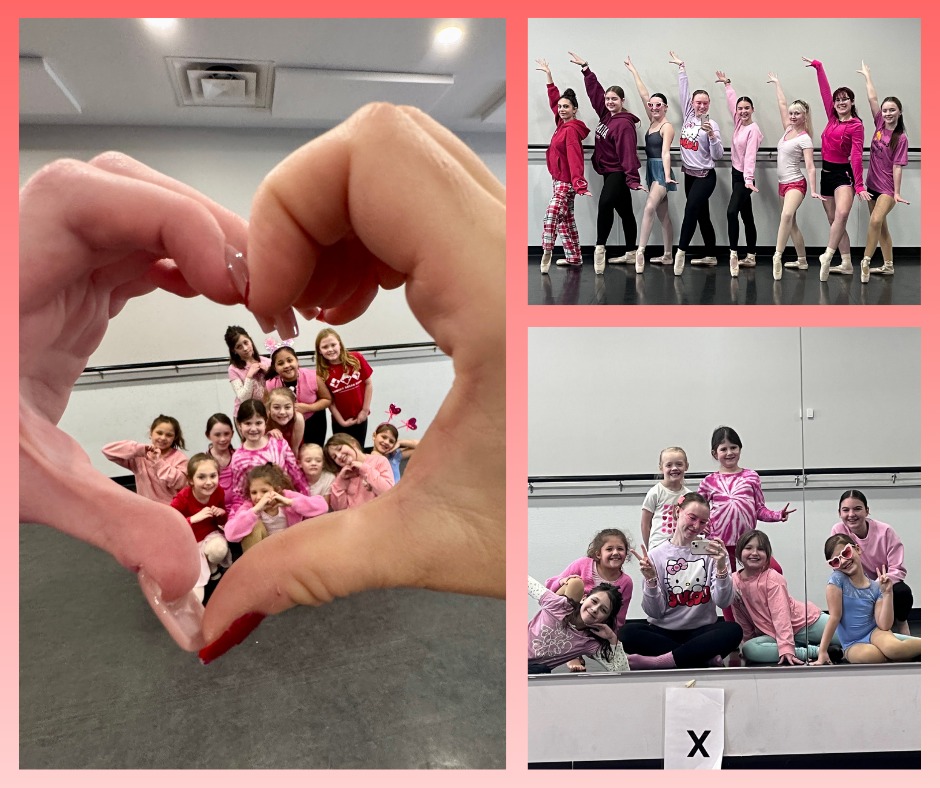
Every studio has unwritten rules, and every dance family eventually learns them, usually by accident. Where to wait, when to arrive, what to do if you are late, whether it is okay to talk during class. None of it is complicated, but knowing it makes the whole experience smoother for your dancer, for the teacher, and for everyone else in the room.
At Dance Connection Rochester, we would rather just tell you. This article lays out the habits that make dance class work well, most of which are simple courtesies that quietly add up to a better season for everyone.
If you have searched "dance class etiquette for kids" or "dance studio rules for parents," here is the practical version.
1. Arrive a Few Minutes Early
Walking in five minutes before class gives your dancer time to change shoes, put away a bag, use the restroom, and settle. Arriving on the dot means starting the class flustered, and arriving late means missing the warm-up, which is the part that prevents injury.
A calm arrival sets the tone for the entire hour.
2. Come Dressed and Ready
Proper attire is not about appearances. Teachers need to see body lines to give useful corrections, and the right shoes are essential for safe movement. Our student attire guide and dress code spell out exactly what each class requires.
Hair pulled back matters too. It keeps vision clear and prevents a hundred small distractions.
3. Leave the Water Bottle, Take Everything Else
Dancers should bring water, and only water, into the studio. Food, gum, and drinks other than water create hazards on a dance floor and are genuinely dangerous during movement. Jewelry comes off too, for the same reason.
A clear floor and an unencumbered dancer is the safest combination there is.
4. Phones Stay Out of the Studio
For older dancers, this is the big one. A phone in the room fragments attention even when it is face-down, and a class only works when everyone is present. Phones can live in a bag and be checked afterward.
The dancers who put the phone away are consistently the ones who progress fastest.
5. Listen While the Teacher Is Teaching
Corrections given to one dancer are usually relevant to several. A dancer who listens while someone else is being corrected learns twice as much as one who tunes out until it is their turn. Side conversations during instruction cost everyone.
Attentive listening is a skill, and dance class is a great place to build it.
6. Respect the Space and the Group
That means being mindful of spacing, not cutting in front of someone across the floor, cleaning up after yourself, and being encouraging when a classmate is struggling. A supportive room makes everyone braver, and bravery is what learning requires.
The tone of a class is set by the dancers as much as by the teacher.
Questions about what your dancer needs for class? Contact Dance Connection Rochester and we will walk you through it.
7. If You Are Late, Enter Quietly
It happens to every family. When it does, have your dancer slip in at the side, wait for a break in the combination, and join in without fanfare. A quiet entrance costs the class nothing. A dramatic one derails it.
Teachers appreciate the effort far more than an apology afterward.
8. Let the Teacher Teach
For parents watching, this is the important one. Coaching from the sideline, even encouragingly, splits a child's attention between two authorities. Let the hour belong to the teacher, and save your observations for the drive home.
Your child will absorb more, and the class will run better for it.
A Quick Etiquette Checklist
Here is the whole thing in one glance:
- Arrive five minutes early, dressed and ready
- Hair secured, jewelry off, proper shoes on
- Water only, no food or gum in the studio
- Phones stay in the bag
- Listen to corrections given to others
- Be mindful of spacing and encourage classmates
- Enter quietly if late, and let the teacher lead
Cover those and your dancer will be one of the easiest students in the room to teach.
It is worth going over this list with younger dancers directly rather than assuming they will absorb it. Children follow rules far more willingly when they understand the reason behind them, and most of these reasons are easy to explain. Hair goes up so you can see. Water only, so the floor stays safe. We listen when someone else is corrected, because the same note probably applies to us. Framed that way, etiquette stops feeling like a list of restrictions and starts feeling like the way a dancer takes care of themselves and the people around them.
Why Etiquette Actually Matters
It would be easy to read a list like this and see it as a set of arbitrary rules, but every item on it exists for a reason, and most of those reasons come back to the dancer's own experience. Arriving on time means catching the warm-up that protects their body. Wearing the right attire means getting corrections that actually help. Putting the phone away means finishing the hour having learned something. Almost none of these rules are about compliance. They are about making sure your child gets full value from the time they are in the room.
There is also a larger benefit that shows up over years rather than weeks. Studio etiquette teaches children how to move through a shared space respectfully, how to give someone else their full attention, and how to take direction from an adult who is not their parent. Those are genuinely useful life skills, and dance teaches them without ever framing them as a lesson. Dancers who internalize this end up being the students teachers remember, the ones invited into more opportunities, and the ones who walk into any new environment, a new class, a new job, a new team, already knowing how to conduct themselves. That is worth far more than a tidy studio, though we appreciate that too.
Set Your Dancer Up for a Great Season
None of this takes extra effort once it becomes habit, and the payoff is a smoother, safer, more productive class for your dancer and everyone around them.
Review the specifics on our dress code page, check common questions on the FAQ page, or contact Dance Connection Rochester if anything is unclear. We are always happy to help a family get it right.
‹ Back
Recent Posts
-
-
-
What Dance Teachers Wish Every Rochester Parent Knew
October 13, 2026
-
-
Mid-Season Check-In: Signs Your Child Is Thriving in Dance Class
October 1, 2026