


Blog
What Dance Teachers Wish Every Rochester Parent Knew
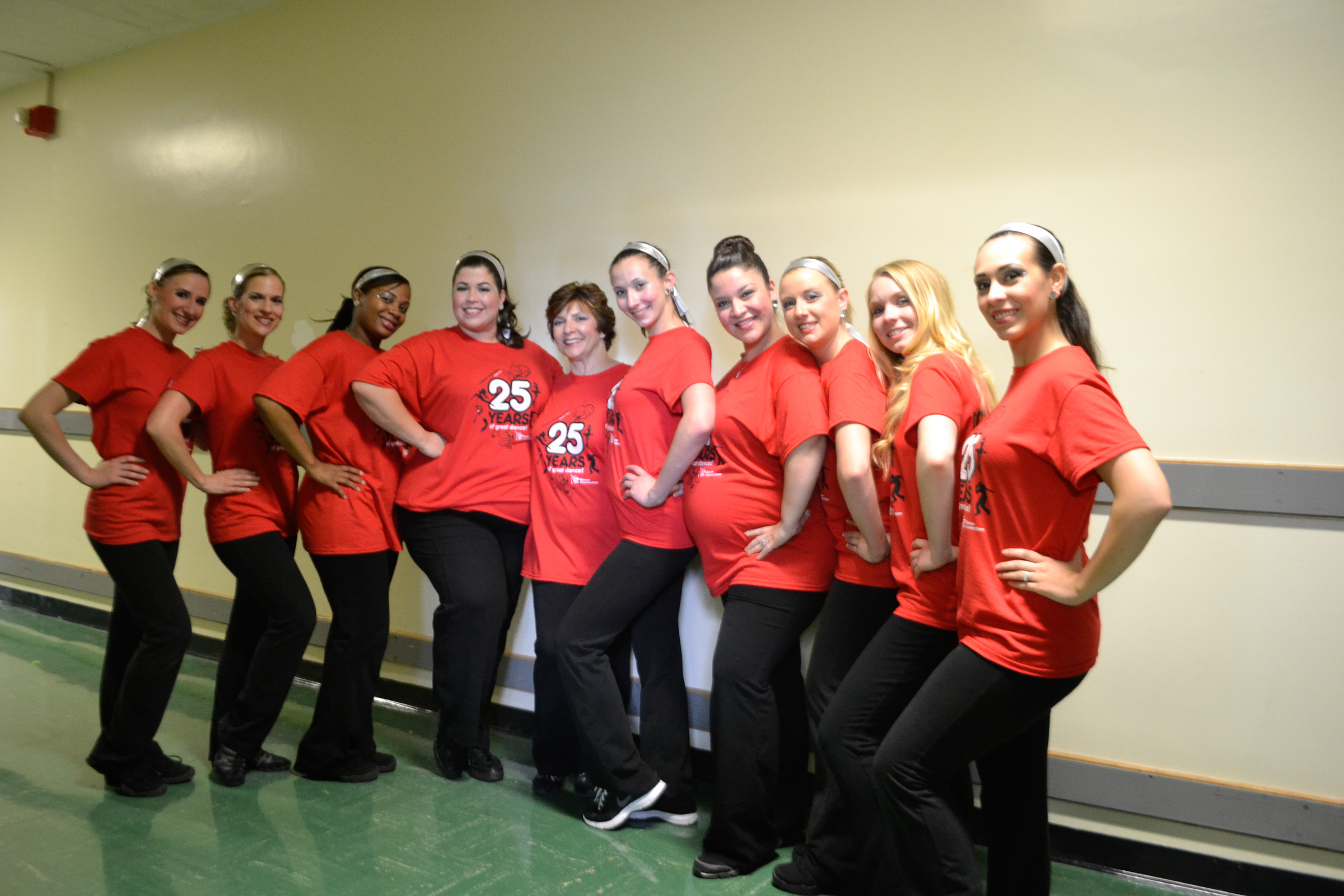
Dance teachers spend an hour a week with your child in a setting you rarely see. They watch your dancer try, struggle, improve, get frustrated, and finally nail something they could not do a month ago. Over a season, they build a picture of your child that is different from the one you have at home, and there are a few things they would love for every parent to know.
At Dance Connection Rochester, our staff has collectively taught thousands of Rochester dancers. We asked them what they wish families understood, and the answers were remarkably consistent.
If you have searched "how to support my child in dance" or "what dance teachers want parents to know," here is the honest version.
1. Progress Is Never a Straight Line
Teachers see this every season and parents almost never do. Dancers improve in bursts, plateau for weeks, sometimes appear to go backward, and then jump forward again. A stretch where nothing seems to change is usually the body consolidating skills before the next leap.
If your child seems stuck, they are almost certainly not. Give it another month.
2. The Quiet Kid in the Back Is Often Learning the Most
Parents worry when their child hangs back or watches more than they move. Teachers rarely do. Some children learn by observing first and participating second, and they often absorb corrections more thoroughly than the dancer in the front row.
Watching intently is participation. It just looks different from what parents expect.
3. Comparison Is the Fastest Way to Kill Motivation
Every teacher has watched a dancer's confidence collapse after a well-meaning comparison to a sibling or classmate. Children develop at wildly different rates, and a dancer who is behind in October is frequently ahead by spring. The comparison never helps, and it lingers longer than parents realize.
Praise the effort your child made, not how it stacked up against anyone else's.
4. Corrections Are a Compliment
When a teacher corrects a dancer, it means they see potential worth investing in. Dancers who receive no corrections are often the ones being left alone. Helping your child hear feedback as care rather than criticism is one of the most valuable things a parent can do.
A dancer who welcomes correction will improve faster than one who fears it, every single time.
5. Consistency Beats Talent
Teachers will tell you this without hesitation. The dancer who shows up every week for three years will pass the naturally gifted dancer who attends sporadically. Dance rewards accumulated repetition, and there is no shortcut around it.
Protecting your child's weekly class time is the single biggest factor in their long-term growth.
6. What Happens at Home Matters More Than You Think
Not practice, necessarily. Attitude. A child who hears "let's see what you learned" with genuine interest arrives at the next class differently than one who hears "you need to work harder." Teachers can tell which conversations are happening in the car.
Curiosity and encouragement at home make our job in the studio dramatically easier.
Have a question about your child's class or progress? Contact Dance Connection Rochester. Our teachers genuinely welcome the conversation.
7. We Notice Things You Would Want to Know
Teachers see when a normally cheerful dancer goes quiet, when a friendship shifts, when a child suddenly cannot focus. They also see the wins: the first successful turn, the moment a shy dancer volunteers to go first. Ask us. We have observations that are genuinely worth hearing.
The families who check in occasionally get far more out of the season than those who never do.
8. Please Tell Us When Something Is Going On
A tough week at school, a change at home, a friendship problem, an injury your child has not mentioned. Teachers do not need details, but a quick heads-up helps enormously. It changes how we read a dancer's behavior and how we support them that day.
A one-sentence note before class can transform your child's experience in it.
Simple Ways to Support Your Dancer
None of this requires extra time or expertise. It just requires a small shift in approach:
- Ask what your child enjoyed, not how they did
- Avoid comparing them to siblings or classmates
- Frame corrections as help, never as criticism
- Protect the weekly class time as a real commitment
- Let plateaus pass without panic
- Tell us if something is going on at home or school
- Celebrate showing up, especially on hard days
Do those consistently and you will be the kind of dance parent teachers hope for.
The Thing Teachers Wish Parents Understood Most
If our staff could pass along only one idea, it would be this: the technique is not the point. It matters, and we work hard on it, but it is not why we teach. The reason our teachers keep doing this is what dance builds underneath the steps. A child who learns to try something difficult in front of other people, get it wrong, and try again has learned something that will serve them long after they stop taking class. A child who walks onto a stage nervous and walks off proud has built a memory they can draw on for decades.
Most of our dancers will not become professionals, and that has never been the goal. The goal is a child who is a little more confident, a little more disciplined, a little more comfortable in their own body, and a little more connected to a group of people who are glad to see them each week. Those outcomes do not show up in a recital program or a technique evaluation, but teachers see them constantly, and they are the reason we care so much about how your child feels in class, not just how they perform in it. When parents share that view, everything gets easier, and the dancer is the one who benefits most.
We Are on the Same Team
Teachers and parents want exactly the same thing: a child who grows, gains confidence, and loves what they are doing. The more we communicate, the better we can make that happen together.
Meet our teaching team on the staff page, find answers to common questions on our FAQ page, or contact Dance Connection Rochester any time. We are always happy to talk about your dancer.
‹ Back
Recent Posts
-
What Dance Teachers Wish Every Rochester Parent Knew
October 13, 2026
-
-
Mid-Season Check-In: Signs Your Child Is Thriving in Dance Class
October 1, 2026
-
New to Dance This Year? A First-Season Survival Guide for Rochester Families
September 23, 2026
-