


Blog
How to Support Your Young Dancer at Home Without Pushing
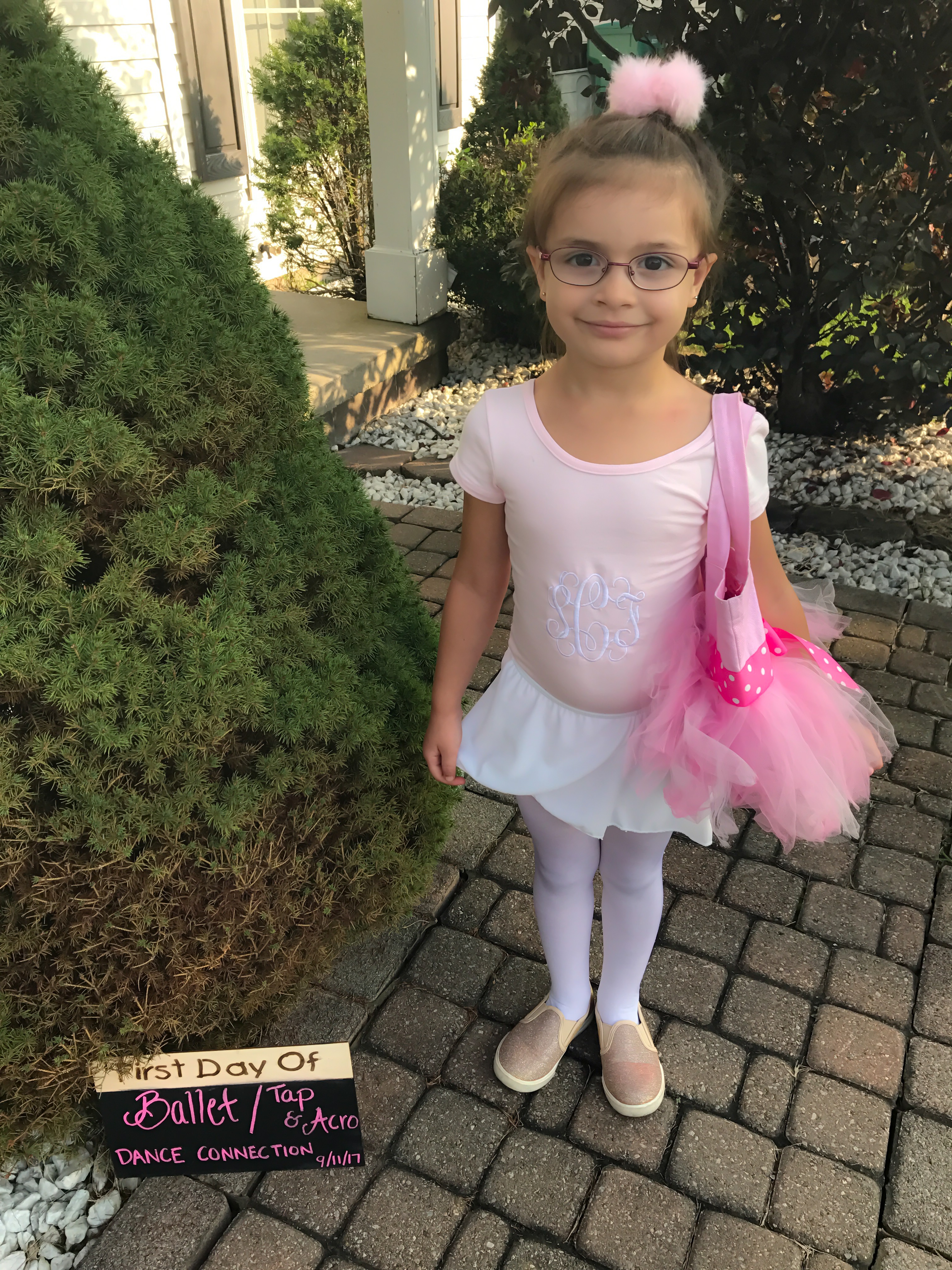
Most dance parents know the feeling. Your child comes out of class glowing, or comes out of class quiet, and you want to say exactly the right thing. You want them to love dance, to keep going, to feel proud of themselves. But somewhere between cheering them on and nudging them forward, it is surprisingly easy to cross a line, and suddenly the activity that was supposed to be theirs starts to feel like it belongs to you.
At Dance Connection Rochester, we have watched families navigate this since 1987, and the dancers who thrive longest are almost always the ones whose parents support them warmly without taking over. This article covers practical ways to encourage your young dancer at home, the kind of language that helps, and how to let dance stay something that truly belongs to your child.
If you have searched "how to support my child in dance" or "dance parent tips Rochester NY," here is what we have learned.
1. Lead With Curiosity, Not Evaluation
The car ride home is a powerful moment. Instead of "Did you get the turn right?" try "What was the best part of class today?" or "What did you learn?" Open questions invite your child to share what mattered to them, rather than reporting back on how they measured up.
What matters is that they know you are interested, not grading.
2. Praise Effort and Growth Over Talent
"You are so talented" feels kind, but it can quietly teach a child that dance ability is something you either have or do not. Praise that focuses on effort builds resilience instead. "You kept practicing that step until you got it." "You looked like you were having so much fun."
Children who are praised for effort are more willing to try hard things and less afraid of mistakes.
3. Let Them Show You, On Their Terms
Many young dancers love to perform their new steps in the kitchen or living room. When they offer, be an enthusiastic audience. But try not to request a performance every evening, or ask them to "do it again, better this time." The joy of showing off a new move comes from it being their idea.
When the invitation comes from them, your applause means everything.
4. Skip the Home Coaching
Even parents who danced themselves can do more harm than good by correcting technique at home. Our teachers have a plan for each class, and conflicting advice can confuse a child or make them feel watched all the time. If you notice something you are curious about, ask the teacher rather than fixing it yourself.
At home, your job is to be a fan, not a second instructor.
5. Watch Without Hovering
Our studio has observation windows in the three larger studios, and many parents enjoy watching class. That is a wonderful way to connect with what your child is learning. It also helps to watch with a relaxed face and to avoid signaling from the window. A child who is constantly checking a parent's reaction is dancing for the audience, not for themselves.
Some children love knowing you are watching. Others relax more when you step into the lobby, and both are normal.
Have a question about how your child is feeling in class? Contact Dance Connection Rochester and we will be happy to talk with you.
6. Keep Comparison Out of the Conversation
Every dancer develops at a different pace. Comparing your child to a sibling, a classmate, or the dancer in the front row rarely motivates and often discourages. Comparison shifts the focus from "Am I enjoying this and improving?" to "Am I as good as her?" That second question can take the joy out of dance quickly.
The only comparison worth making is between your child today and your child a few months ago.
7. Respect Their Feelings, Including the Hard Ones
Not every class will be a great one. Sometimes a dancer feels frustrated, tired, or left behind, and those feelings are real. Try listening first. "That sounds hard. What happened?" goes a long way. Often, being heard is all a child needs to feel ready to try again next week.
If something seems to be bothering your dancer for more than a week or two, let us know so we can help.
8. Let Dance Be Theirs
This is the heart of it. Your child may love dance for different reasons than you hoped, or gravitate toward a style you did not expect. They may want to try something new, or stay right where they are for years. Following their interests, rather than steering them toward a path you have pictured, is what keeps dance meaningful to them.
When a child feels ownership over their dancing, motivation comes from the inside, and that kind lasts.
Phrases That Help (and Ones to Retire)
Small changes in wording can make a big difference. Here are some swaps many parents find useful:
- Try "What was your favorite part?" instead of "Did you mess up?"
- Try "You worked really hard on that" instead of "You are the best one"
- Try "I love watching you dance" instead of "You should practice more"
- Try "What do you want to work on?" instead of "You need to fix your arms"
- Try "That sounds frustrating" instead of "It is not a big deal"
- Try "Everyone learns at their own speed" instead of "Why can't you do it like her?"
- Try "Do you want to show me?" instead of "Show me what you learned"
None of these are magic words, but together they tell your child that you are on their side.
Why Pressure Backfires
It is completely natural to want your child to succeed. The difficulty is that pressure, even gentle and well-meaning pressure, tends to change why a child dances. A dancer who started because the music made them happy can gradually start dancing to avoid disappointing someone. That shift is subtle, but children feel it, and over time it often leads to anxiety before class, reluctance to try new things, or wanting to quit an activity they once loved. Supporting without pushing is not about lowering expectations. It is about trusting that a child who enjoys dance will grow on their own timeline.
That belief is central to how we run our studio. When Denise founded Dance Connection, she built it around the idea that dance should be about the love of dance, not trophies and scores, and that children should be able to show their skills without the pressure of being perfect. We see the results of that every day. Dancers who feel safe making mistakes tend to try more, laugh more, and improve more. They carry the confidence they build here into school and friendships. When home and studio send the same message (that effort matters, mistakes are part of learning, and dance is for joy), children flourish. That is a big part of what we mean when we say we teach more than just dance.
Be Their Biggest Fan
Supporting a young dancer is less about saying the perfect thing and more about showing up with warmth, curiosity, and trust. Let them lead, cheer them on, and let dance stay theirs.
Learn more about our studio and philosophy, read what other families say on our testimonials page, or contact Dance Connection Rochester anytime. We are always glad to partner with you in your dancer's journey.
‹ Back
Recent Posts
-
Healthy Body Image and Self-Confidence in Young Dancers
November 26, 2026
-
-
-
Helping a Shy Child Feel Comfortable in Dance Class
November 21, 2026
-
Giving Back Through Dance: How Our Studio Family Supports Rochester
November 19, 2026