


Blog
Is Your Child Ready for Performance or Competition Dance?
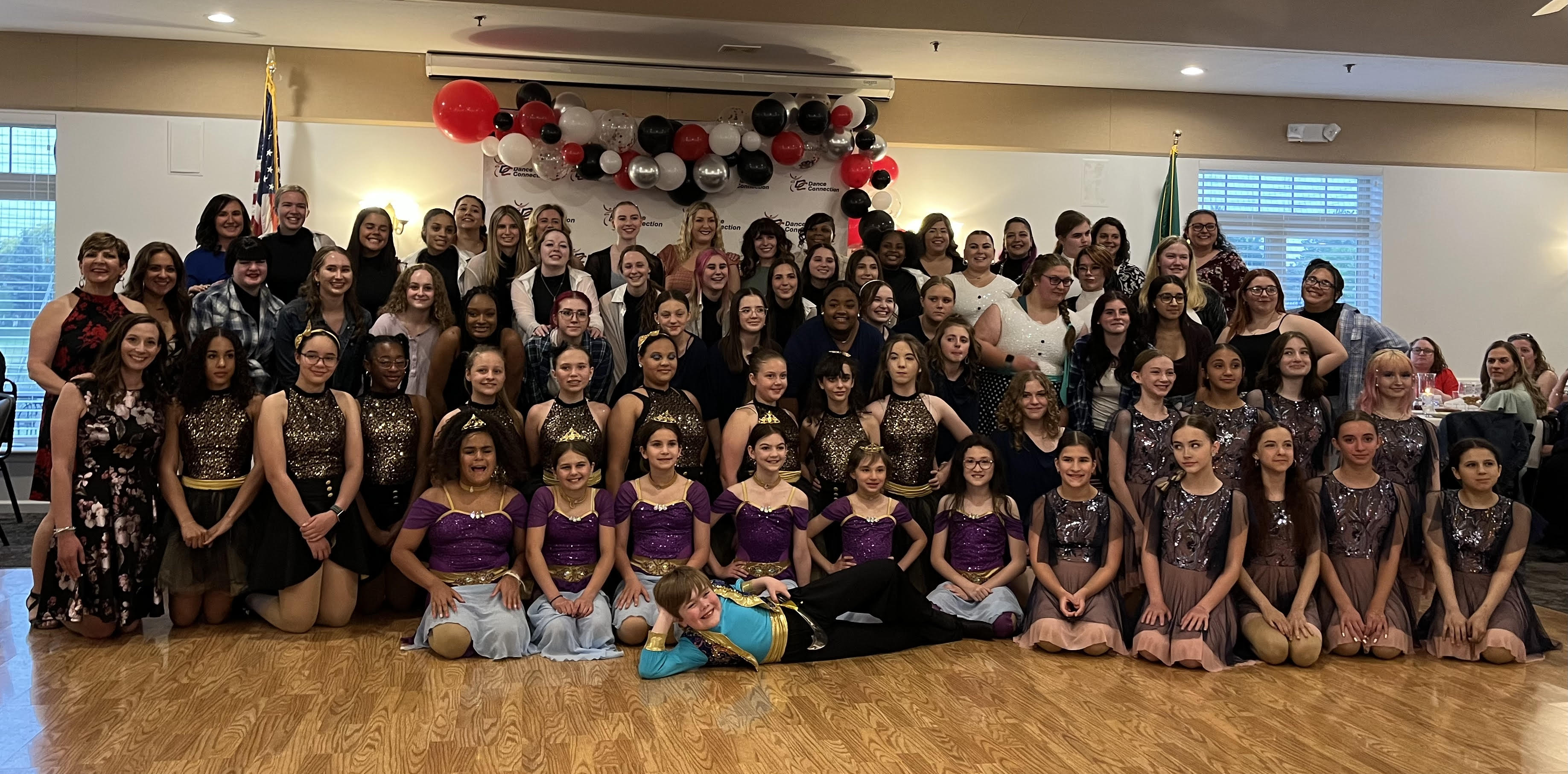
At some point in most dance families' lives, the question comes up. Your child loves class, they are picking things up quickly, and someone, maybe a teacher, maybe another parent, mentions performance or competition dance. Suddenly you are wondering whether your recreational dancer is ready for something more, and what "more" would actually mean for your family.
At Dance Connection Rochester, we have guided many families through this exact decision, and we have learned that the right answer has less to do with talent than most parents assume. This article walks through how to tell whether your dancer is ready, and what to consider before saying yes.
If you have searched "is my child ready for competition dance" or "dance company for kids Rochester NY," here is an honest look.
1. Does Your Child Want It, or Do You?
Start here, because everything else depends on it. Performance and competition dance require more hours, more repetition, and more pressure. A dancer who genuinely wants that will thrive. A dancer who is doing it because a parent thinks they should will burn out, often quickly.
Ask your child directly, and listen for real enthusiasm rather than a polite yes.
2. Can They Handle Repetition Without Losing Interest?
Performance-level dance means running the same routine dozens of times to clean it. A dancer who enjoys polishing something until it is sharp is well suited. A dancer who gets restless once they know the steps may be happier in recreational classes for now.
This is a temperament question more than a skill question, and temperament changes with age.
3. Are They Coachable?
Competitive settings involve constant correction. Dancers hear what to fix far more often than they hear praise, and that is by design. A dancer who takes feedback well and applies it is ready. One who deflates or shuts down after a correction may need another year to build resilience first.
Coachability grows over time. There is no rush, and no downside to waiting.
4. Is the Schedule Realistic for Your Family?
Be honest about this before you commit. Performance and competition dance mean additional rehearsals, extra costume and travel considerations, and weekends that are no longer entirely free. It is a genuine family commitment, not just a child's activity.
A family that goes in clear-eyed about the time will enjoy it far more than one caught off guard.
5. Does Your Child Work Well in a Group?
Performance dance is a team sport. Dancers depend on each other for spacing, timing, and energy, and one person's missed rehearsal affects everyone. A dancer who takes that responsibility seriously, and who supports teammates rather than competing with them, will fit in beautifully.
Group accountability is one of the most valuable things performance dance teaches.
6. How Do They Handle Not Winning?
In competition, most routines do not take first place, and that is fine. What matters is how a dancer processes it. A child who can be disappointed, then get back in the studio and work, is developing real resilience. A child who is devastated by anything less than a win may need more time.
Learning to lose gracefully is arguably the most useful skill competition teaches.
Wondering whether your dancer is ready? Contact Dance Connection Rochester and we will give you an honest read based on what we see in class.
7. Is Their Technical Foundation Solid?
Performance work builds on fundamentals, and dancers who move up before their foundation is set often struggle. A dancer with a season or two of consistent technique training behind them will find the transition energizing rather than overwhelming.
Waiting a year to build technique almost always pays off in the long run.
8. Are They Still Having Fun?
This is the one to keep checking, not just now but throughout. If dance is still joyful, more dance will be more joy. If it has started to feel like an obligation, adding hours will accelerate a problem rather than solve it.
Joy is the fuel. Protect it, and everything else becomes possible.
Signs a Dancer Is Ready
Taken together, the dancers who thrive in performance settings tend to show most of these:
- They ask about it themselves rather than being asked
- They enjoy cleaning and polishing, not just learning
- They apply corrections without getting discouraged
- They show up consistently, including on unmotivated days
- They support their classmates rather than compare
- They handle disappointment and come back
- They still light up when they talk about dance
Missing a few is completely normal. It usually just means the timing is not quite right yet.
What If the Answer Is Not Yet?
Deciding to wait is not a setback, and it is worth saying that plainly, because many families treat it as one. Dance is a long game. A dancer who spends an extra year in recreational classes building technique, confidence, and maturity often ends up stronger than one who moved up early and spent the season overwhelmed. We have seen both paths many times, and the dancers who waited almost never regret it.
There is also real value in the recreational experience itself. Not every dancer needs a competitive track to get everything dance has to offer. Confidence, coordination, discipline, friendship, the thrill of performing at a recital, all of that is fully available in a once-a-week class. Some of our most devoted, longest-tenured dancers have never competed, and they would not trade their experience for anything. If your child is happy where they are, that is not a plateau to be fixed. It is a good place to be. And if their interest deepens later, as it often does around the middle school years, the door is open then. The best decision is the one that keeps your dancer in the studio and glad to be there, whichever track that turns out to be.
Let's Figure It Out Together
Every dancer's path is different, and there is no single right answer. What matters is matching the commitment to the child in front of you, right now, rather than to a plan on paper.
Explore our performance class options, browse the full class schedule, or contact Dance Connection Rochester to talk it through. We are always glad to give you a straight answer.
‹ Back
Recent Posts
-
Is Your Child Ready for Performance or Competition Dance?
October 19, 2026
-
What Dance Teachers Wish Every Rochester Parent Knew
October 13, 2026
-
-
Mid-Season Check-In: Signs Your Child Is Thriving in Dance Class
October 1, 2026
-
New to Dance This Year? A First-Season Survival Guide for Rochester Families
September 23, 2026