


Blog
Movement as Mindfulness: How Dance Helps Kids Reset During the School Year
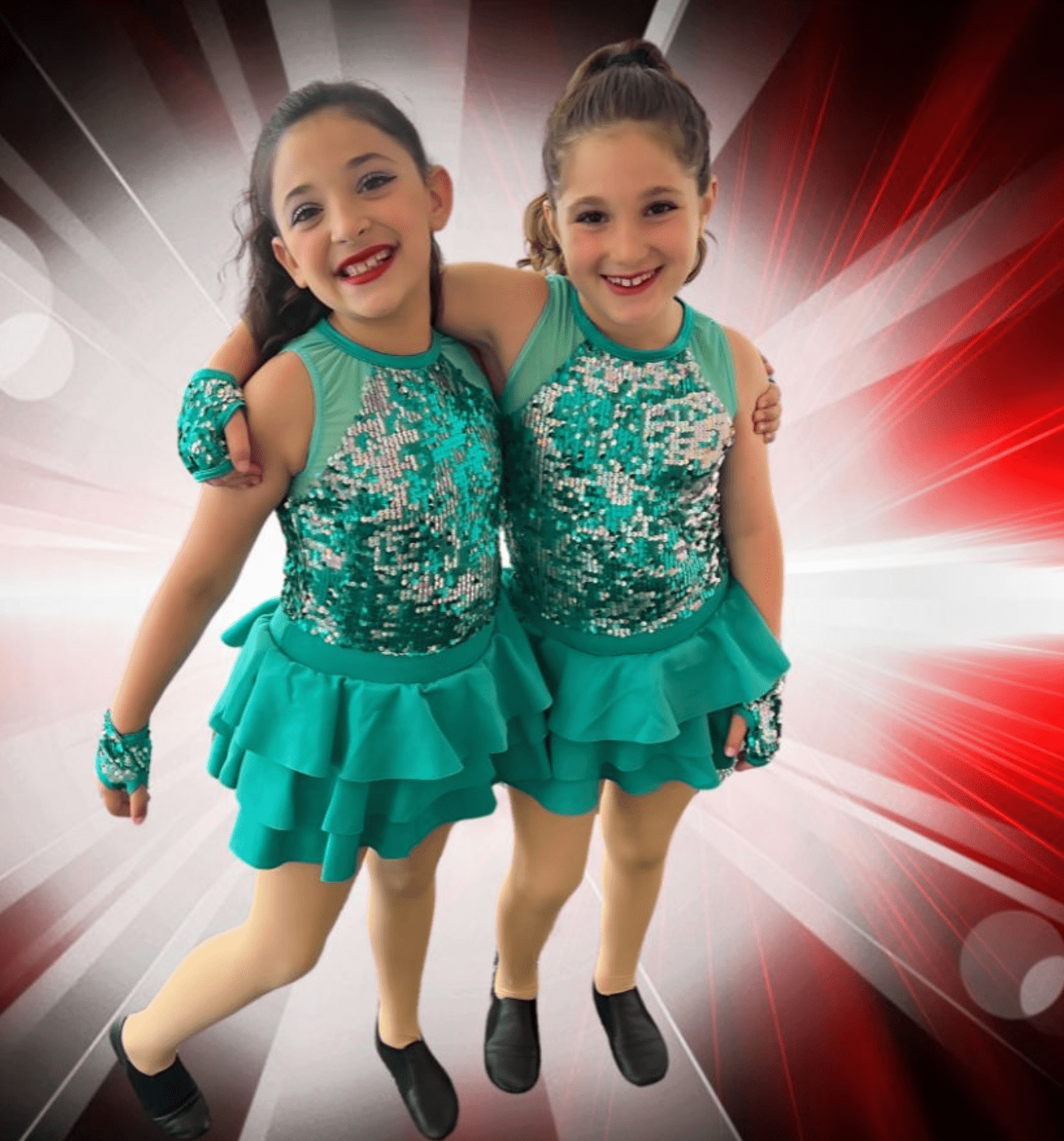
The school year in Rochester and Webster, NY can feel intense — for both kids and parents. Between homework, testing, sports, social pressures, and packed calendars, many children carry more stress than we realize. While mindfulness apps and quiet time have their place, one of the most powerful — and often overlooked — tools for helping kids reset is movement.
At Dance Connection Rochester, we see firsthand how structured dance classes provide something deeper than exercise. They offer rhythm, release, focus, and emotional balance. Dance becomes a form of mindfulness in motion — allowing kids to regulate their thoughts, reduce stress, and return to their week stronger and calmer.
If you’ve been searching for “kids dance classes in Rochester NY” or “after-school activities near me,” here’s why dance may be exactly what your child needs during the school season.
Why Kids Need a Reset During the School Year
Children today process enormous amounts of information daily. They sit for long stretches, manage academic expectations, and navigate peer dynamics — all while still developing emotional regulation skills.
Over time, this can lead to:
- Restlessness and difficulty focusing
- Emotional overwhelm
- Shortened attention spans
- Increased anxiety or irritability
- Fatigue despite inactivity
Movement helps break that cycle. And when that movement is structured, musical, and intentional — like it is in our Rochester dance classes — the benefits multiply.
Dance as Active Mindfulness
Traditional mindfulness encourages stillness and breathing. Dance introduces awareness through motion. Dancers must focus on rhythm, timing, posture, and spatial awareness — which pulls their attention into the present moment.
When a child concentrates on choreography, they are not replaying school stress or worrying about tomorrow. They are grounded in counts, music, and movement. That present-moment awareness is the foundation of mindfulness.
In many ways, dance becomes meditation — just in motion.
The Science Behind Movement & Mental Reset
Physical activity increases blood flow to the brain, boosts mood-enhancing chemicals, and helps regulate stress hormones. But dance goes a step further. Because it pairs movement with music and coordination, it activates multiple areas of the brain simultaneously.
This leads to:
- Improved emotional regulation
- Better concentration in school
- Enhanced memory retention
- Stronger neural connections
- Reduced mental fatigue
That’s why many parents in Rochester and Webster report noticeable changes in mood and focus after just a few weeks of consistent dance classes at Dance Connection Rochester.
A Structured Environment That Reduces Overwhelm
Not all movement feels calming. Chaos doesn’t help stressed kids. What makes dance effective is structure.
Each class follows a rhythm:
- Warm-up and stretching
- Technique work
- Choreography practice
- Cool-down and reflection
This predictable format creates psychological safety. Kids know what to expect. They understand the flow. That predictability reduces anxiety and builds confidence.
Our state-of-the-art Rochester dance studio is intentionally designed to support this structure — from professional flooring to organized transitions between classes.
Emotional Release Without Words
Some children struggle to explain how they feel. Dance gives them a way to express emotion physically. A strong jazz combination can release tension. A lyrical piece can process emotion. A hip hop routine can channel energy.
Instead of holding stress internally, dancers move through it.
Over time, this builds emotional resilience — a skill that carries into classrooms, friendships, and family life.
Building Focus Through Repetition
Choreography requires memory, sequencing, and concentration. When dancers repeat combinations weekly, their brains strengthen focus muscles.
Parents often notice that students who consistently attend dance classes in Rochester show:
- Improved homework habits
- Better listening skills
- Greater patience when learning new concepts
- Stronger persistence through challenges
This is the ripple effect of mindful movement.
Connection Reduces Stress
Social belonging plays a huge role in mental well-being. Dance classes create community. Dancers work together, encourage one another, and build friendships that often extend beyond the studio.
At Dance Connection Rochester, we foster a culture of support — not comparison. You can read real family experiences on our Testimonials page.
When children feel connected, stress levels drop.
Why March & April Are Ideal for a Reset
Spring months are often academically demanding. Testing increases. Schedules feel heavy. This is precisely when structured movement becomes most beneficial.
Enrolling in dance during March or April gives children:
- A consistent weekly reset point
- Something positive to anticipate
- Physical energy release during peak academic season
- A boost of confidence heading into summer
Instead of finishing the school year drained, dancers often finish stronger.
More Than an Activity — A Mental Reset Habit
The goal isn’t simply to “keep kids busy.” It’s to build habits that support long-term well-being. When children experience movement as a stress-relief tool early in life, they’re more likely to carry that habit into adolescence and adulthood.
That’s one reason families choose Dance Connection Rochester — not just for technique, but for development. Learn more about our philosophy on our About page.
Ready to Help Your Child Reset?
If your child seems overwhelmed, restless, or mentally fatigued during the school year, dance may be the solution you didn’t know you were looking for.
A single class per week can provide structure, rhythm, release, and connection — all within a supportive Rochester dance studio environment.
Contact Dance Connection Rochester today to explore enrollment options and give your child a healthier way to reset this school year.
‹ Back
Recent Posts
-
-

How Dance Helps Kids Build Routine and Focus During the School Year
September 11, 2026
-
-
-
A Parent's Guide to Dance Attire and Shoes for the New Season
August 24, 2026