


Blog
Raising More Than One Dancer: A Parent's Guide to Siblings in Dance
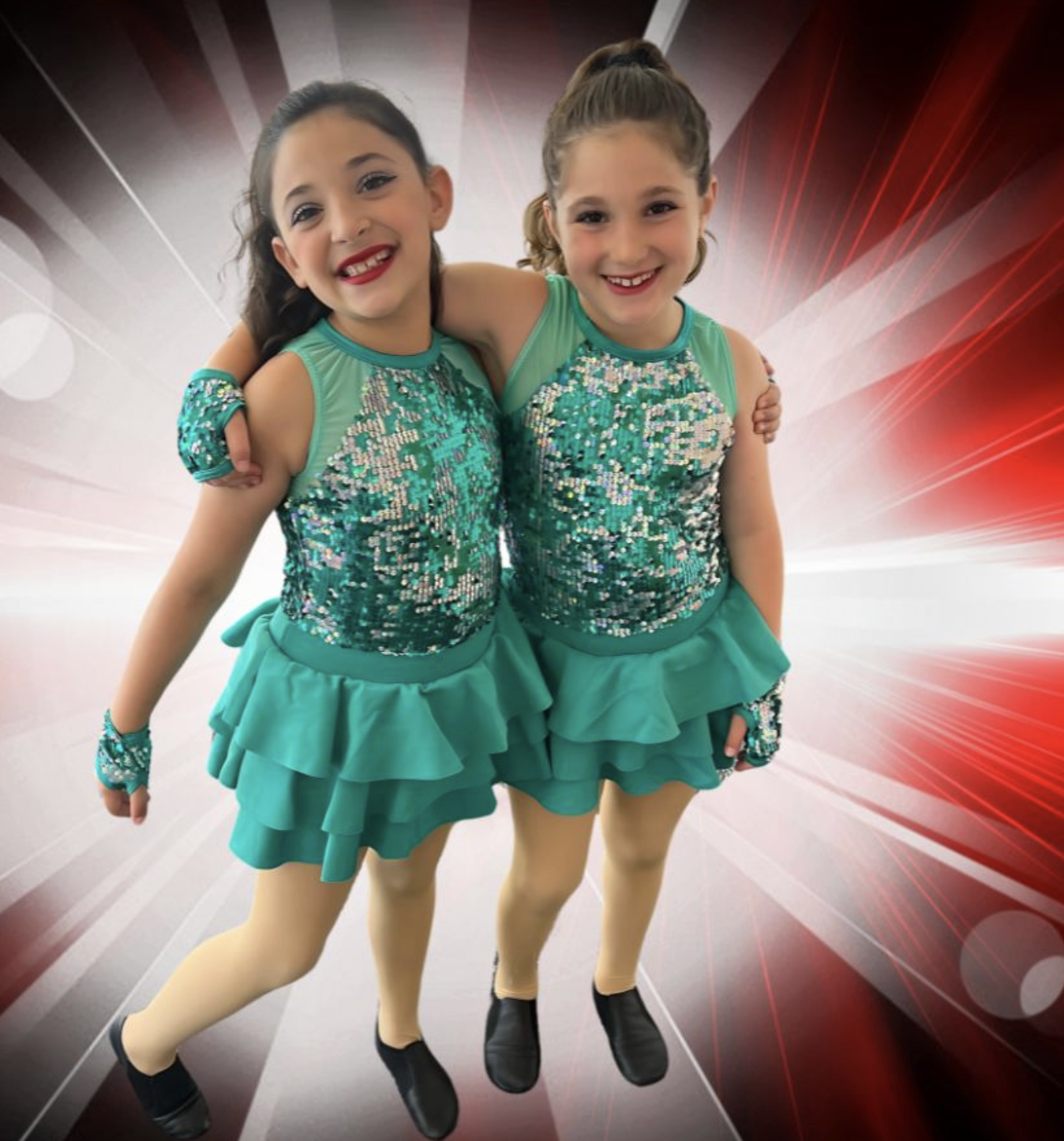
It usually starts with one child. A daughter falls in love with ballet, and within a season her little brother is standing at the observation window copying every move. Or two sisters sign up together, and by the second year one of them is living for tap while the other is quietly wondering whether she wants to be there at all. Families with more than one dancer are some of our favorite families, and they also have a few challenges that single-dancer households never think about.
At Dance Connection Rochester, we have been watching brothers and sisters grow up in our studios since 1987, and we have seen what helps siblings thrive and what quietly gets in the way. This article covers how to manage different classes, busy schedules, comparison, and the important work of letting each child have something that is truly their own.
If you have searched "siblings in dance class" or "dance classes for multiple kids Rochester NY," here is a practical guide for families juggling more than one dancer.
1. Siblings Do Not Have to Take the Same Class
It is tempting to put brothers and sisters in the same class for convenience, and sometimes that works beautifully. But siblings are different people with different temperaments, interests, and learning speeds. A class that is perfect for one may be frustrating or boring for the other, and being placed together can make it harder for either one to stand out on their own terms.
Start with what each child actually wants and where each one fits, and treat scheduling as a problem to solve second.
2. Let Each Child Choose Their Own Style
One of the gifts of a studio with many styles is that there is room for every personality. An older child might love the structure of ballet while a younger one is drawn to the energy of hip hop or the rhythm of African dance. When each child picks a style, they get to be the expert in it at home, and that sense of ownership is a big part of what keeps kids motivated.
A sibling who has "their" style is far less likely to feel like they are living in someone else's shadow.
3. Watch Your Language Around Comparison
Most parents never intend to compare their children, but it slips out in small ways. "Your sister picked that up so fast." "Why can't you point your toes like your brother?" Even well-meant comments can land hard, especially for a younger sibling who is already aware that the older one has had years more practice.
Try praising each child against their own progress. "You worked so hard on that turn this month" means more than any comparison ever could.
4. Remember That Age Gaps Are Not Talent Gaps
A ten-year-old who has been dancing for five years will look more polished than a six-year-old in her first season. That is not a difference in ability, it is a difference in time. Younger siblings often measure themselves against the older one and decide they are "not good at dance" when really they are right on track for their age.
Say this out loud to your younger dancer. They need to hear that they are not behind, they are just earlier on the path.
5. Plan the Schedule as a Family
Multiple dancers means multiple class times, and the logistics can get complicated quickly. Some families prefer classes back to back on one evening; others spread them across the week. The best choice depends on your family's energy, homework, and other activities.
Look at the full week before committing, and leave at least one evening with nothing on it.
Trying to figure out how to fit two or three dancers into one family schedule? Contact Dance Connection Rochester and we will help you look at the options together.
6. Make the Waiting Time Work for Everyone
When one child is in class, another is often waiting. Our studio has larger lobbies for families, and observation windows in our three larger studios let parents and siblings watch. Older dancers also have a student lounge with a microwave and fridge, which helps on long evenings.
Bring a small bag of quiet activities for the waiting child, and the evening will go much more smoothly.
7. Celebrate Each Child Separately
At recital time, it is easy to blend everyone's moments together. But each child's dance is its own accomplishment. If you bring flowers for one, bring them for the other. Each child wants to know that you saw them, not just the family group.
A few specific words about their own dance will stay with a child much longer than general praise.
8. It Is Okay if One Child Stops
Sometimes one sibling loves dance for life and the other discovers that their passion is somewhere else entirely. That is normal and healthy. The child who stops should not feel like a disappointment, and the child who continues should not feel guilty for loving it. Each child gets to find their own path.
Supporting a child who chooses something different is just as important as supporting the one who stays.
Practical Tips for Multi-Dancer Families
A few habits that make life easier when more than one child dances:
- Give each dancer their own dance bag, clearly labeled
- Keep a shared family calendar with every class marked
- Check shoe sizes for each child at the start of the year
- Avoid automatic hand-me-down shoes if they do not fit properly
- Pack snacks and water for both the dancer and the waiting sibling
- Set aside one-on-one time to talk with each child about their classes
- Let each child decide whether they want siblings watching their class
- Ask us about the right class level for each child individually
Small routines like these keep the week organized and keep each child feeling seen.
Giving Each Child Their Own Thing
Children in families with several kids spend a lot of time sharing. They share bedrooms, toys, car rides, and attention. Dance can be one of the few places where a child gets something that belongs only to them: their own class, their own teacher, their own friends, and their own progress. That matters more than many parents realize. A younger sibling who has always been "the little one" can walk into a class where nobody knows her as anyone's little sister.
This does not mean siblings should never dance together. Some brothers and sisters love sharing a class, and that connection can be wonderful. The key is to ask each child, and to keep asking as they grow, because what a child wants at six may be very different from what they want at eleven. Our philosophy has always been that dance is about the love of dancing, without the pressure of being perfect. For siblings, that means no one needs to be the "better" dancer.
A Studio Full of Families
Raising more than one dancer is busy, but it is also full of wonderful moments: siblings cheering for each other at the recital, sharing stories on the drive home, and growing up with a second home at the studio.
Explore our class information page to find the right fit for each child, read about our studio facility, or contact Dance Connection Rochester and we will help you plan a season that works for your whole family.
‹ Back
Recent Posts
-
Healthy Body Image and Self-Confidence in Young Dancers
November 26, 2026
-
-
-
Helping a Shy Child Feel Comfortable in Dance Class
November 21, 2026
-
Giving Back Through Dance: How Our Studio Family Supports Rochester
November 19, 2026