


Blog
What to Eat and Drink Before and After Dance Class on Busy School Nights
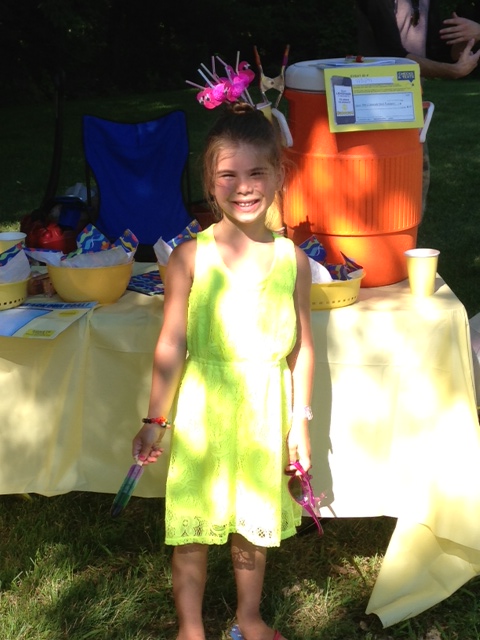
It is a weekday afternoon. School just let out, homework is waiting, a sibling needs to be picked up across town, and dance class starts in less than an hour. On busy school nights, food is usually the first thing to fall through the cracks, and it is also one of the things that most affects how a dancer feels in class.
At Dance Connection Rochester, we see a lot of dancers arrive straight from school, and we know how tight those evenings can be. This article covers simple, realistic ways to fuel and hydrate a young dancer before and after class, without turning every weeknight into a cooking project.
If you have searched "what should kids eat before dance class" or "healthy snacks for dancers Rochester NY," here is a practical guide.
1. Why the After-School Gap Matters
For many children, lunch happens around midday, and dance class may not start until late afternoon or evening. That is a long stretch for a growing body, especially one that is about to spend an hour jumping, turning, and concentrating. A dancer running on empty tends to tire quickly, lose focus, and feel cranky by the end of class.
A small snack in that gap is often the difference between a great class and a long one.
2. Aim for a Snack, Not a Feast
The goal before class is enough energy to dance comfortably, not a full stomach. A big, heavy meal right before class can leave a dancer feeling sluggish or uncomfortable during jumps and floor work. Something moderate, eaten roughly an hour or so before class, usually works best, though every child is a little different.
If your dancer complains of feeling too full in class, try a smaller snack or move it a little earlier.
3. Pair Something Quick With Something Steady
A simple rule of thumb many families find helpful is to combine a carbohydrate for quick energy with a bit of protein or healthy fat to help it last. Think apple slices with cheese, crackers with hummus, a banana with a small handful of nuts (if allergies allow), yogurt with granola, or half a turkey or peanut butter sandwich.
Keeping a few of these on hand turns the snack question into a thirty-second answer.
4. Pack the Car the Night Before
The easiest way to avoid a drive-through stop is to decide on the snack before the day starts. Many dance families keep a small bin or bag of shelf-stable options in the car, or pack a snack into the dance bag right alongside the shoes.
When the snack is already in the car, the hectic part of the evening gets a little calmer.
5. Water Is the Most Important Thing in the Dance Bag
Dance is a workout, and dancers sweat more than parents sometimes realize, especially in high-energy classes. Sending a labeled, refillable water bottle to every class is one of the simplest habits a family can build.
Plain water is plenty for a typical recreational class. Sugary drinks are best saved for occasional treats.
Have a question about how to fit dance into a busy school week? Contact Dance Connection Rochester and we will be glad to talk it through with you.
6. Use the Student Lounge
The studio we custom built in 2021 includes a student lounge with a microwave and a fridge, which is especially handy for dancers who come straight from school or stay for more than one class. That means a dancer can bring a container of leftovers to warm up, or keep yogurt, cheese sticks, or cut fruit cold until it is time to eat.
A little planning turns the lounge into a comfortable spot to refuel between classes.
7. Refuel After Class
After class, most dancers are hungry, and that is a good thing. A balanced dinner or substantial snack within a reasonable time afterward helps a child recover and feel ready for the next day. On nights when dinner will be late, a quick snack on the ride home (a piece of fruit, a glass of milk, a sandwich) can bridge the gap so nobody melts down before the table is set.
Simple, familiar food is perfect. It does not need to be special "athlete" food.
8. Keep the Message About Food Positive
This may be the most important point of all. Dancers spend time in front of mirrors, and children pick up quickly on how adults talk about food and bodies. At home and at the studio, food is fuel and something to enjoy, never something to earn or feel guilty about. Focus on how food helps a dancer feel strong and energized, not on how it might change how they look.
If you ever have concerns about your child's eating or energy, your pediatrician is the best person to talk to.
Easy Pre-Class Snack Ideas
Here are some family-tested options that travel well and are easy to grab on a busy afternoon:
- Apple or pear slices with a cheese stick
- Whole grain crackers with hummus or nut butter
- A banana and a small yogurt
- Half a sandwich on whole grain bread
- Trail mix (nut-free versions if needed)
- A granola bar and a piece of fruit
- Pretzels with a cheese stick or a hard-boiled egg
- Leftover pasta or rice warmed up in the student lounge
Pick two or three favorites and rotate them, and the snack routine will practically run itself.
A quick note on allergies: many classes include dancers with food allergies, so it is considerate to keep nut-heavy snacks in the car or lounge rather than eating them in the studio itself, and to make sure your child knows not to share food without checking first.
Building a Routine That Survives a Busy Week
The families who handle dance nights most smoothly are rarely the ones with the most elaborate plans. They are the ones with a routine. The snack goes in the dance bag at the same time the shoes do. The water bottle gets refilled every night and set by the door. Dinner on dance nights is something simple that can be made ahead. When those small decisions are made once instead of every night, the whole evening feels less rushed, and a dancer walks into class ready to enjoy it rather than distracted by an empty stomach.
It also helps to involve your dancer. Children who help choose and pack their own snacks are more likely to eat them, and they start learning early how to take care of their bodies. Ask them how they feel in class after different snacks, and let them notice the difference between arriving hungry and arriving fueled. These are small habits, but they build independence and self-awareness that serve dancers well beyond the studio. And on the nights when the plan falls apart and dinner is a granola bar in the parking lot, that is fine too.
Fuel the Fun
Feeding a dancer on a school night does not have to be complicated. A smart snack, a full water bottle, and a simple dinner afterward go a long way toward happier, more energetic classes.
Take a look at our studio facility to see the student lounge, review our frequently asked questions, or contact Dance Connection Rochester with any questions about planning your dancer's week.
‹ Back
Recent Posts
-
Healthy Body Image and Self-Confidence in Young Dancers
November 26, 2026
-
-
-
Helping a Shy Child Feel Comfortable in Dance Class
November 21, 2026
-
Giving Back Through Dance: How Our Studio Family Supports Rochester
November 19, 2026