


Blog
Why Ballet Is the Foundation for Every Dance Style
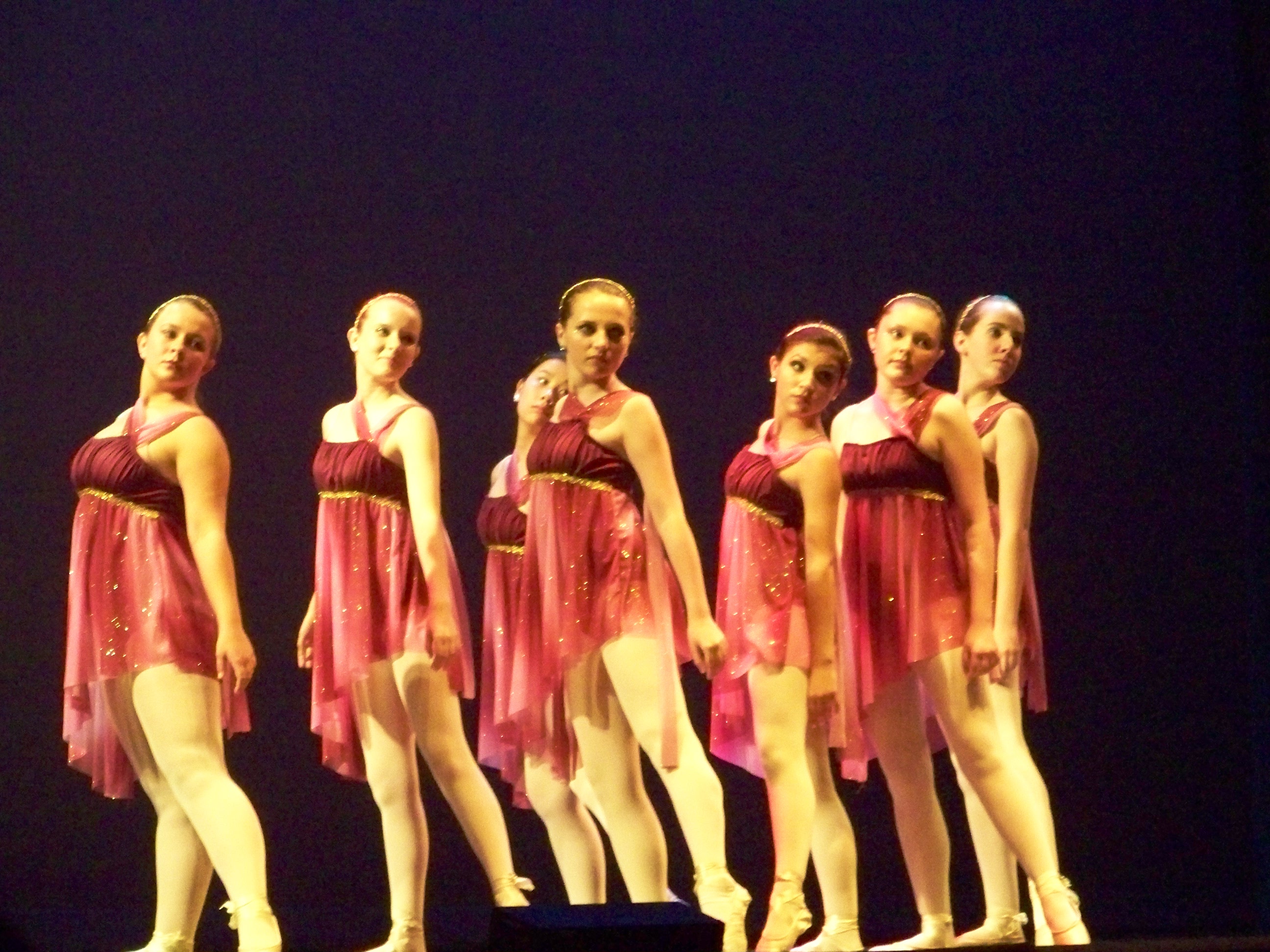
Ask a room full of dance teachers which class every dancer should take, and most of them will give you the same answer before you finish the question. Ballet. It is because almost everything a dancer does in tap, jazz, lyrical, modern, musical theatre, and even hip hop rests on skills that ballet teaches more clearly than anything else.
At Dance Connection Rochester, ballet is woven into our combination classes from the very youngest ages, and we keep it there as dancers grow. This article explains why ballet is considered the foundation of dance, what it builds in a young dancer, and why even kids who say they "just want to do hip hop" benefit from time at the barre.
If you have searched "why is ballet important for dancers" or "ballet classes for kids Rochester NY," here is what you should know.
1. Ballet Teaches How the Body Is Supposed to Line Up
Ballet is built on alignment. Shoulders over hips, hips over knees, knees over toes, a long spine, and a lifted center. Those ideas are the reason a dancer can turn without falling over, land a jump softly, and move quickly without straining the wrong muscles. Ballet spends a great deal of time teaching dancers to find and hold that alignment.
Once a dancer understands where their body should be, every other style becomes easier to learn and safer to perform.
2. It Builds Strength Where Dancers Need It Most
Ballet looks effortless when it is done well, and that is a bit of a trick. Holding a balance, rising onto the balls of the feet, extending a leg slowly to the side, and controlling a landing all take real strength through the feet, ankles, legs, and core. Ballet builds that strength gradually and evenly, a little more every class.
That quiet strength is what lets a jazz dancer kick higher and a tap dancer stay light on their feet.
3. Balance and Turns Start Here
Nearly every style includes turns, and nearly every good turn starts with ballet technique. Spotting (keeping the eyes on one point so the head whips around last), a strong supporting leg, a pulled-up center, and a clean finishing position are all ballet fundamentals. Dancers who skip this groundwork often find turns frustrating later.
Dancers who have it tend to pick up new turns in any style much faster.
4. It Gives Dancers a Shared Vocabulary
Plié, relevé, tendu, passé, chassé. These words come from ballet, and they show up in jazz, lyrical, modern, and musical theatre classes all the time. A dancer who knows them can follow a teacher's instructions quickly instead of trying to copy shapes without understanding them.
Knowing the language of dance helps a child feel confident walking into any new class.
Not sure which ballet or combination class fits your child's age? Contact Dance Connection Rochester and we will help you find the right starting point.
5. It Develops Musicality and Control
Ballet is danced to music with clear phrasing, and dancers learn to move with it rather than simply on top of it. They learn to stretch a movement across several counts, to finish exactly on the music, and to change speed without losing control. That sensitivity to music carries into every other style a dancer takes.
Control is what separates a dancer who is just moving from a dancer who is truly dancing.
6. Good Posture Follows Dancers Out the Door
Parents often notice this one before anything else. Children who take ballet tend to stand a little taller, sit a little straighter, and carry themselves with more awareness. The habits of a lifted chest, relaxed shoulders, and long neck do not stay in the studio.
Posture is one of the most lasting gifts ballet gives, whether or not a child dances for life.
7. It Teaches Patience and Focus
Ballet is structured. Class usually follows a familiar order, from barre exercises to center work to moving across the floor, and progress comes through repetition. That structure teaches children how to listen, focus, and keep working at something that does not come instantly.
The patience a dancer learns at the barre often shows up later in schoolwork, music lessons, and sports.
8. It Opens the Door to Pointe and Advanced Work
For dancers who fall in love with ballet itself, steady technique is what eventually leads to pointe work. At Dance Connection, our pre-pointe class is the prerequisite for pointe, focusing on ankle strengthening, poise, and posture so dancers are prepared when the time comes. None of that is possible without years of solid ballet underneath it.
Even dancers who never go en pointe benefit from the same strength and discipline.
What Ballet Builds That Shows Up in Every Style
Here is a quick look at how ballet skills carry into the other classes your dancer might take:
- Alignment that makes jumps and landings safer in jazz and acro
- Spotting and balance that make turns cleaner in every style
- Pointed feet and long lines that polish lyrical and contemporary work
- Core strength that supports quick footwork in tap
- Control that helps hip hop dancers hit sharp, precise moves
- Posture and presence that make musical theatre numbers shine
- Vocabulary that lets dancers follow any teacher's instructions
- Focus and patience that help with learning longer choreography
In other words, time spent in ballet is never time taken away from other styles.
This is a big reason our combination classes for young dancers include ballet alongside tap and jazz or acro. Children get the fun and energy of several styles in a single class, and they also get steady, age-appropriate ballet technique from the start. By the time they choose individual styles, the foundation is already there.
But My Child Does Not Want to Do Ballet
We hear this often, and it is completely understandable. Some children picture ballet as slow or overly serious, and would rather be stomping in tap shoes. The good news is that ballet does not have to be a child's favorite class to do its job. It simply has to be part of the mix. A dancer who takes ballet alongside the styles they love most will usually find that those favorite styles start to feel easier, and that is often what wins them over.
It also helps to know that ballet for young children looks nothing like the strict stereotype. In our classes, little dancers learn ballet positions through imagery, games, and music, and older dancers work in a positive environment where the goal is steady progress, not perfection. That fits the philosophy Denise built into the studio when she founded it in 1987: dance should be about the love of dancing, not about trophies, scores, or getting everything exactly right. Many of the dancers who started out reluctant end up being the ones who choose to keep ballet as they get older, because they understand how much it gives them.
Start With a Strong Foundation
Ballet is the root system that lets every other style grow. Whether your child dreams of tap, jazz, hip hop, or the stage, a little ballet makes the whole journey smoother, safer, and more rewarding.
Learn more about our ballet classes, browse our class information page to see classes by age, or contact Dance Connection Rochester with any questions. We would love to help your dancer build a foundation that lasts.
‹ Back
Recent Posts
-
Healthy Body Image and Self-Confidence in Young Dancers
November 26, 2026
-
-
-
Helping a Shy Child Feel Comfortable in Dance Class
November 21, 2026
-
Giving Back Through Dance: How Our Studio Family Supports Rochester
November 19, 2026