


Blog
Combination Dance Classes: Why Learning Several Styles at Once Is Great for Young Dancers
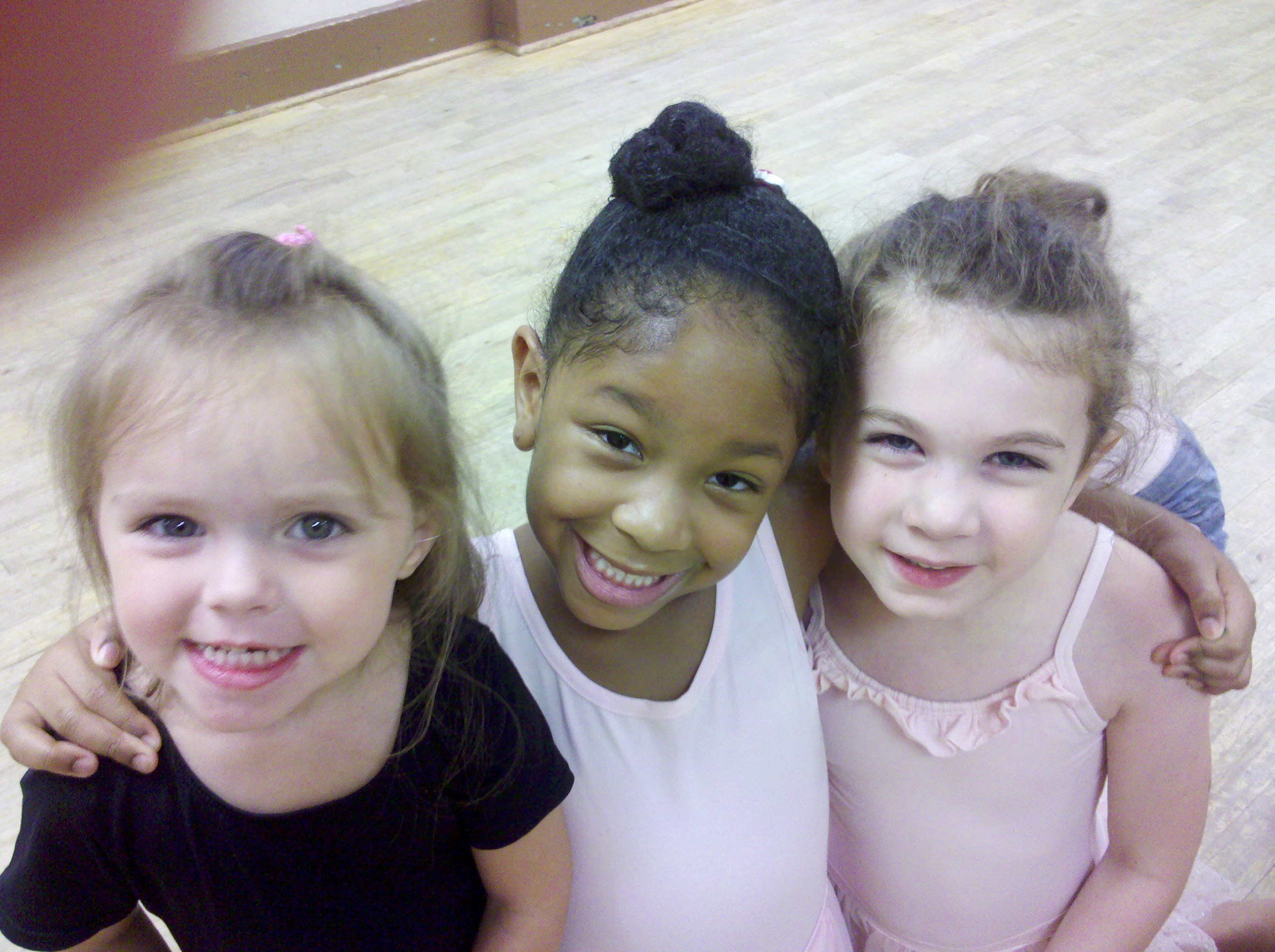
When parents first sign a young child up for dance, there is often a moment of hesitation over the class list. Tap sounds fun. Ballet sounds classic. Jazz sounds energetic. Acro sounds like exactly what a child who cartwheels across the living room would love. Which one is right? For most young dancers, the honest answer is that they do not have to choose yet.
At Dance Connection Rochester, our combination classes bring several styles together in a single class, and they are where most of our young dancers begin. This article explains how combination classes work, why they are such a good fit for growing dancers, and what children gain from learning more than one style at a time.
If you have searched "tap ballet jazz combo class for kids" or "combination dance classes Rochester NY," here is what you should know.
1. What a Combination Class Is
A combination class teaches more than one dance style within the same class period. At Dance Connection, our youngest dancers (from 18 months through age 5) take a Tap/Ballet/Acro combination, and dancers over six move into a Tap/Ballet/Jazz combination that continues all the way through the preteen and teen years.
Every class gives dancers steady time in each style, so skills grow in all of them.
2. Young Children Do Not Need to Specialize
A four-year-old does not yet know whether they are a tap dancer or a ballet dancer, and they do not need to. Early childhood is the time to explore, to try lots of ways of moving, and to discover what feels good. Narrowing down to a single style too early can mean missing the one a child would have loved most.
Combination classes let children find their favorites naturally, through experience rather than guesswork.
3. Each Style Strengthens the Others
The styles in a combination class are not random. Ballet builds alignment, balance, and control. Tap builds rhythm, musicality, and quick, precise footwork. Jazz adds energy, flexibility, kicks, and turns, and acro adds strength, flexibility, and body awareness. When a child learns them side by side, each one feeds the others.
A dancer with ballet technique taps more cleanly, and a dancer with tap rhythm dances jazz more musically.
4. Variety Keeps Little Ones Engaged
Young children have short attention spans, and that is perfectly normal. Moving from one style to the next within the same class gives them a natural change of pace. Just as the barre work starts to feel long, it is time to put on tap shoes and make some noise.
That rhythm of change keeps children focused, happy, and eager to come back next week.
5. It Builds Well-Rounded Motor Skills
Different styles challenge the body in different ways. Tap develops coordination between the feet and the music. Ballet develops balance and posture. Acro develops core strength and confidence upside down. Jazz develops flexibility and full-body energy. Together, they give young children a wide base of gross motor skills, coordination, and body awareness.
Many parents notice these benefits outside the studio too, on the playground and in other activities.
Wondering which combination class fits your child's age? Contact Dance Connection Rochester and we will help you find the right fit.
6. It Is a Great Value for Busy Families
One class, several styles, one trip to the studio. For families juggling school, siblings, and other activities, that is a real advantage. Instead of driving to three separate classes, a child gets meaningful time in each style during a single visit. It is an efficient way to give a young dancer a broad foundation.
That fits our long-standing commitment to offering quality dance education at reasonable rates.
7. It Grows With Your Dancer
Combination classes are not just for beginners. Because we offer the Tap/Ballet/Jazz combination at every age through the teen years, dancers can stay in a combination class for many years while their technique becomes more advanced. The content progresses, the choreography gets more challenging, and the skills deepen in all three styles.
Plenty of dancers keep their combination class as their home base even after adding other styles.
8. It Makes Adding New Styles Easier
As dancers get older, many want to explore more. At age seven and up, our dancers can add classes like modern, musical theatre, African, and hip hop. A child with a combination class background walks into those new classes already knowing how to follow choreography, count music, and move with control.
A broad foundation makes every new style feel less intimidating and more exciting.
What Dancers Gain From a Combination Class
Here is a quick summary of what learning several styles together builds in a young dancer:
- Balance, posture, and alignment from ballet
- Rhythm, timing, and musicality from tap
- Energy, flexibility, kicks, and turns from jazz
- Strength and body confidence from acro
- Better focus thanks to built-in variety
- Coordination that carries into other activities
- A clearer sense of which styles they love most
- A strong base for adding new styles later
It is a lot of growth packed into one class each week.
For our very youngest dancers, combination classes also make the first experience of dance feel playful and low-pressure. It is normal for little ones to need time to settle in, and some children like to observe before they join. Our staff help with shoe changes, and families can stay or leave, whatever works best.
Why We Believe in Starting Broad
When Denise founded Dance Connection in 1987, she taught every class herself in a single room, and from the beginning the focus was on the love of dance rather than on trophies, scores, or perfection. Combination classes are a natural expression of that philosophy. They give children a chance to experience the joy of several styles before anyone asks them to pick one, and they let dancers grow at their own pace in a positive environment. A child who struggles a little with ballet balances might shine in tap, and a child who finds tap tricky might love the freedom of jazz. In a combination class, every dancer gets to feel successful at something, and that confidence carries into the parts that are harder for them.
We also see how much combination classes support long-term enjoyment. Dancers who start with a single style sometimes lose interest if that style turns out not to be the right fit, and they may walk away from dance entirely. Dancers who start broad tend to find something to love and stay with it. As they grow, some choose to focus more heavily on one style. Others stay wonderfully versatile. Either path is a great outcome, because the dancer is choosing based on real experience. Our goal is not to rush anyone toward a specialty. It is to help children build skills, confidence, and a love of movement that lasts. That is what we mean when we say we teach more than just dance.
A Little Bit of Everything
Combination classes give young dancers room to explore, grow, and discover what they love most, all in one welcoming class.
See classes by age on our class information page, learn more about tap, ballet, and jazz, or contact Dance Connection Rochester with any questions. We would love to help your dancer get started.
‹ Back
Recent Posts
-
Healthy Body Image and Self-Confidence in Young Dancers
November 26, 2026
-
-
-
Helping a Shy Child Feel Comfortable in Dance Class
November 21, 2026
-
Giving Back Through Dance: How Our Studio Family Supports Rochester
November 19, 2026