


Blog
Musicality in Dance: How Dancers Learn to Hear the Counts, Phrasing, and Rhythm
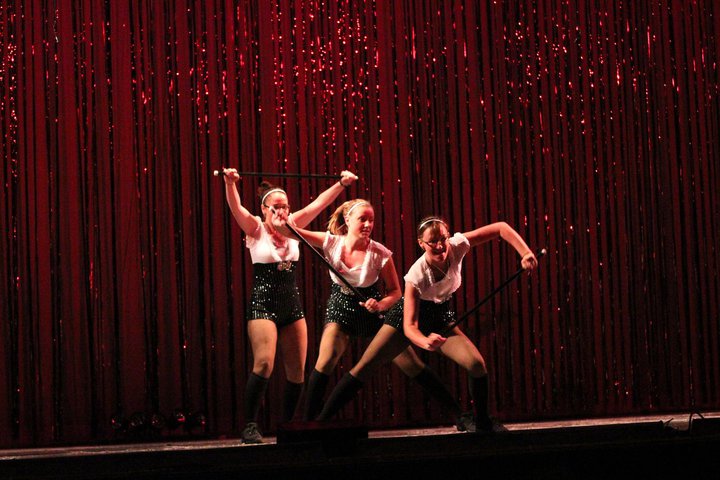
Picture a class of young dancers waiting at the edge of the floor. The music starts, the teacher says "five, six, seven, eight," and half the group steps off right on time while the other half looks around to see what everyone else is doing. That moment is completely normal, and it is the very beginning of something every dancer has to learn: musicality, the ability to hear music and move with it rather than simply alongside it.
At Dance Connection Rochester, we think of musicality as the quiet skill underneath every style we teach. Steps can be memorized, but dancing to music is something a dancer learns to feel over time. This article explains how dancers learn to hear the counts, understand phrasing, and find the rhythm, and how parents can help at home with nothing more than the music already playing in the car or kitchen.
If you have searched "how to help my child count music in dance" or "dance musicality classes Rochester NY," here is a practical guide.
1. What Musicality Actually Means
Musicality is more than staying on the beat. It includes hearing the pulse of a song, recognizing where sections begin and end, and letting tempo and mood shape how a movement looks. Two dancers can do the same step, and the one who is listening will look more alive.
In short, musicality is the difference between doing steps to music and actually dancing.
2. Why Dancers Count in Eights
Most popular and classical music used in dance class is built in groups of four beats, and those groups usually pair up into phrases of eight. That is why teachers count "one, two, three, four, five, six, seven, eight" over and over. Counting gives the class a shared language, so everyone knows when a step begins and ends.
The "five, six, seven, eight" before the music starts is simply a countdown that tells dancers to get ready on the next "one."
3. Finding the Beat Comes First
Before a dancer can count, they need to feel the steady pulse of a song. For young children this starts with clapping, marching, and bouncing to fun songs. In our Tiny Tots classes, little ones use props and rhythm instruments to feel the beat before anyone asks them to count it.
A child who can march in time to a song is already building the foundation for everything that comes later.
4. Phrasing: Hearing the Shape of a Song
Once dancers can hold the beat, they start to notice that music has a shape. Songs move through verses and choruses, build up, settle down, and repeat. Choreography is usually built to match those sections, so dancers who can hear a phrase coming are much less likely to get lost.
This is why experienced dancers often say the music "tells" them the choreography.
5. Rhythm Is More Than the Beat
The beat is steady, but rhythm is the pattern of sounds and silences laid on top of it. Dancers learn to move on the "and" between counts, to hold a pose through a pause, and to hit accents that land off the main beat. Tap is a wonderful training ground for this, because tap dancers create rhythm with their feet and can hear immediately whether they are clean and on time. Our Extreme Tap class takes that rhythm work to a fast and furious level.
Every style trains rhythm in its own way, from jazz accents to layered African rhythms.
Have a question about how your dancer is progressing with rhythm and counts? Contact Dance Connection Rochester and we will be glad to talk it through with you.
6. Different Styles, Different Ways of Listening
Ballet often uses music in counts of three as well as eight, and asks dancers to move smoothly through the melody. Hip hop tends to emphasize a strong, driving beat and sharp hits. Lyrical and modern dance invite dancers to follow the feeling of the music, sometimes stretching a movement across several counts. Taking more than one style gives a dancer more ways to listen.
A dancer who studies a few styles usually becomes a more flexible, responsive listener in all of them.
7. Struggling With Counts Is Normal
Some children hear the beat right away, and some need more time. Neither says anything about how much a child will love dance or how far they can go. Counting music is a skill like any other, and it improves with repetition, patience, and lots of low-pressure practice. Our teachers break counts down slowly and repeat sections until dancers lock in.
If your dancer is often a beat behind, that is a stage, not a verdict.
8. Musicality Makes Choreography Easier to Remember
Parents are often surprised by how much music helps memory. When a dancer connects a step to a specific sound in the song, such as a drum hit, a lyric, or a big swell in the strings, the music becomes a built-in reminder. That is one reason dancers who listen well tend to feel calmer on stage at the annual recital.
Listening is one of the best memory tools a dancer has.
Simple Ways to Build Musicality at Home
You do not need any musical training to help. Try a few of these:
- Clap or tap along to songs in the car and see who can stay on the beat
- Count out loud in eights together, starting on the first strong beat
- Play "freeze dance" and pause the music at the end of a phrase
- Ask your child to raise a hand when the chorus starts
- March, skip, or tiptoe around the kitchen to music at different speeds
- Listen to many kinds of music, from classical to jazz to pop
- Let your dancer play their class music and teach you the counts
- Talk about how a song feels: happy, sad, sneaky, powerful
A few minutes here and there adds up to a dancer who hears music in a whole new way.
Keep it playful and avoid correcting every miss. The goal is curiosity and enjoyment, which is the spirit we bring to class.
Why Musicality Grows Slowly, and Why That Is Fine
Musicality develops in layers, and it rarely arrives all at once. A young dancer first learns to feel a steady pulse, then to count it, then to notice where phrases begin and end, and eventually to make choices about how to use the music. A teen might suddenly realize they can stretch a movement to fill a long note, and that discovery can come years after they first started counting. Every class adds a little more listening experience.
This is why we value a low-pressure environment. A child who is anxious about being wrong tends to watch other dancers instead of listening, which makes timing harder. A child who feels safe making mistakes can relax, listen, and try again. That is part of what we mean when we say we teach more than just dance. Listening carefully and staying patient until something clicks are skills that carry well beyond the studio.
Let the Music Lead
Musicality is one of the most rewarding parts of dance, and it is something every dancer can grow into with time and encouragement. A little listening at home goes a long way.
Explore our tap dance classes, see our class information page for styles by age, or contact Dance Connection Rochester to find the right class for your dancer.
‹ Back
Recent Posts
-
Healthy Body Image and Self-Confidence in Young Dancers
November 26, 2026
-
-
-
Helping a Shy Child Feel Comfortable in Dance Class
November 21, 2026
-
Giving Back Through Dance: How Our Studio Family Supports Rochester
November 19, 2026